
Editorial Team · on 13 June 2026 · 10 min read · Last reviewed 13 June 2026
A French brasserie is a type of casual dining establishment that serves beer, wine, and traditional French cuisine, deeply rooted in the country’s social and cultural fabric.
Key facts
- Brasseries originated in France in the 18th century, evolving from breweries that began serving food.
- They are known for their lively atmosphere, zinc-topped tables, and classic French dishes like steak frites and escargots.
- Brasseries are typically open late, catering to a wide range of customers throughout the day.
- They play a significant role in French society, serving as communal spaces for socialising and celebrating local culture.
How do brasseries reflect French social values?
Brasseries embody the French value of conviviality, or the enjoyment of good company. They are designed to be accessible and welcoming to everyone, from locals to tourists. Unlike formal restaurants, brasseries encourage a relaxed dining experience, where patrons can linger over meals and engage in lively conversation. This aligns with the French appreciation for leisurely social interactions.
Moreover, brasseries often serve as community hubs. They host local events, support nearby farmers by serving regional produce, and preserve traditional recipes. For instance, a brasserie in Lyon might serve quiche lorraine made with ingredients sourced from nearby farms, reinforcing the connection between the establishment and its community.
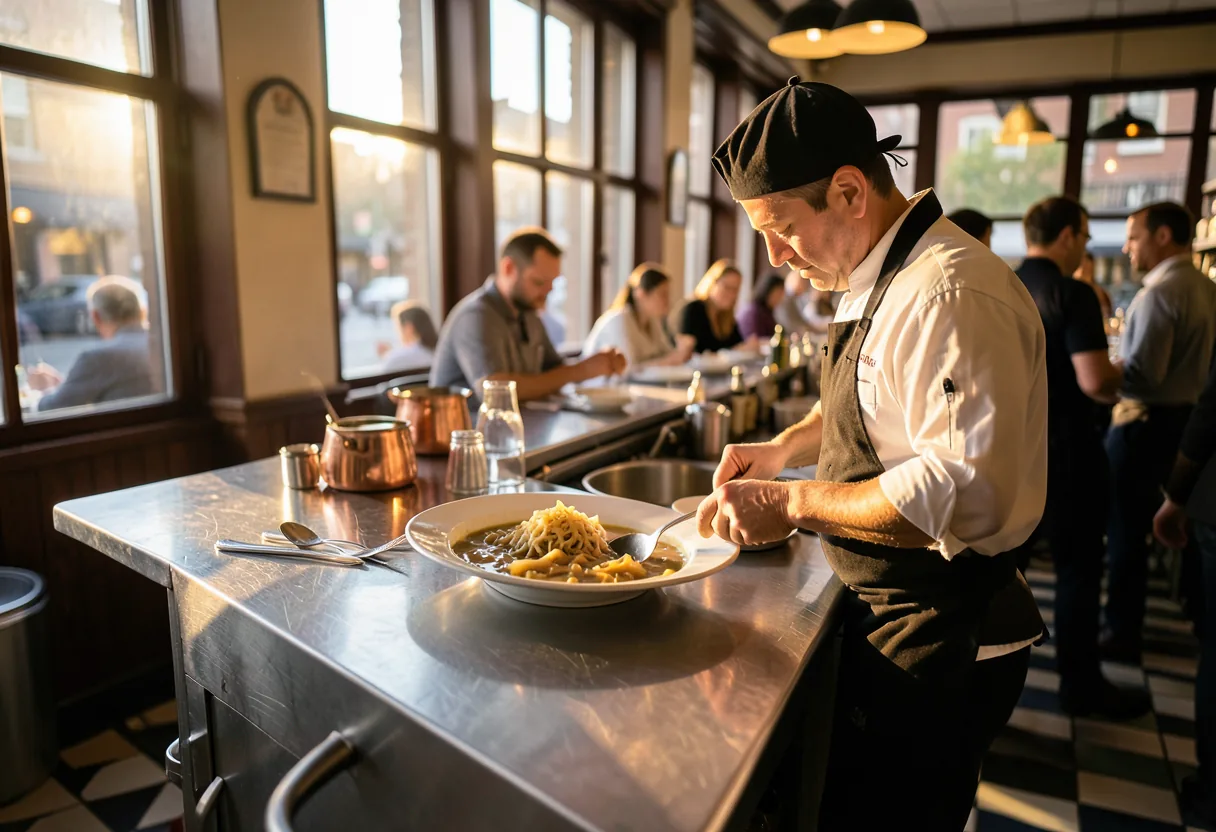
The social aspect of brasseries is further emphasised by their open layouts and communal seating options. Many brasseries feature long tables or shared counters, encouraging interaction among diners. This design choice fosters a sense of camaraderie and shared experience, making brasseries ideal spots for solo diners, groups of friends, or families.
Additionally, brasseries often reflect the local cultural nuances of their neighbourhoods. In artistic districts, brasseries might host open mic nights or art exhibitions, while in more traditional areas, they may focus on preserving local culinary heritage. This adaptability ensures that brasseries remain relevant and cherished institutions in their communities.
What is the historical significance of brasseries in France?
Brasseries emerged in France during the 18th century when breweries started offering food to complement their drinks. This trend gained momentum in Paris, where the first brasseries catered to the working class. Over time, they evolved into popular dining spots for all social classes, symbolising the democratisation of French cuisine.
The 19th century saw the rise of brasseries in other French cities, each developing its unique identity. For example, brasseries in Strasbourg, near the German border, incorporated German influences like choucroute (sauerkraut) into their menus. This historical blend of cultures is still evident in many brasseries today.
During the Industrial Revolution, brasseries became essential gathering places for workers seeking affordable and hearty meals. Their popularity surged as they offered a respite from the long working hours and harsh conditions of the time. This historical role as a refuge for the working class has left a lasting impact on the brasserie culture.
In the 20th century, brasseries continued to evolve, adapting to the changing social and economic landscapes. They became popular among artists, intellectuals, and the middle class, further solidifying their place in French society. Today, brasseries are celebrated as iconic institutions that represent the rich cultural heritage and social values of France.
How do brasseries contribute to French cuisine?
Brasseries have played a pivotal role in popularising and preserving traditional French dishes. They often serve classic comfort food that is both affordable and satisfying. Dishes like steak frites, croque-monsieur, and French onion soup are staples in most brasseries, offering diners a taste of authentic French cooking.
Additionally, brasseries have fostered culinary innovation. Chefs in these establishments often experiment with regional ingredients and techniques, creating new interpretations of traditional dishes. For example, some modern brasseries might offer a deconstructed version of bouillabaisse, the classic fish stew from Marseille, to appeal to contemporary tastes while staying true to its roots.
The menu in a brasserie typically features a mix of traditional and modern dishes, ensuring a diverse culinary experience. Many brasseries also offer daily specials that highlight seasonal produce and local specialties. This approach not only keeps the menu fresh and exciting but also supports local farmers and producers.
Furthermore, brasseries are known for their generous portions and hearty meals, reflecting the French appreciation for enjoying good food in abundance. This aspect of brasserie dining aligns with the French philosophy of savouring life’s pleasures, including delicious and satisfying meals.
What role do brasseries play in French festivals and events?
Brasseries are often at the heart of French festivals and events, providing a venue for celebrations and gatherings. During national holidays like Bastille Day, many brasseries host special events, offering live music, themed menus, and late-night dining options. These events attract both locals and tourists, fostering a sense of community and shared enjoyment.
Furthermore, brasseries frequently participate in local food festivals, showcasing their signature dishes and regional specialties. For instance, a brasserie in Bordeaux might take part in the Bordeaux Wine Festival, offering wine pairings and culinary delights that highlight the region’s terroir. This participation not only promotes the brasserie but also contributes to the preservation and promotion of French culinary traditions.
Many brasseries also host private events, such as birthdays, anniversaries, and corporate gatherings. Their versatile spaces and lively atmospheres make them ideal locations for social and professional celebrations. Brasseries often provide catering services and custom menus to accommodate the specific needs of their guests.
In addition to food and drink, brasseries may offer entertainment options like live music, trivia nights, or themed parties. These events enhance the overall dining experience and attract a diverse range of customers. For example, a brasserie in Montmartre might host a weekly jazz night, drawing in both locals and visitors eager to enjoy the vibrant atmosphere.
How do brasseries differ from other French dining establishments?
Brasseries differ from traditional restaurants in several ways. Unlike formal restaurants, brasseries are known for their casual atmosphere and quick service. They often have a counter or zinc-topped tables, reflecting their origins as breweries. Additionally, brasseries typically offer a more limited menu, focusing on classic dishes that are quickly prepared and served.
Another key difference is the availability of drinks. Brasseries are renowned for their extensive selection of beers and wines, often featuring local and regional varieties. This focus on beverages sets them apart from bistros and cafés, which may offer a more limited drink menu.
The ambiance of a brasserie is another distinguishing factor. Brasseries are designed to be lively and bustling, with an emphasis on social interaction. This contrasts with the more intimate and quiet settings of bistros, which often prioritise a romantic or cosy atmosphere. Cafés, on the other hand, are typically more relaxed and informal, focusing on light meals and drinks rather than full dining experiences.
Furthermore, the pricing structure of brasseries differs from other dining establishments. Brasseries generally offer more affordable and fixed-price menus, making them accessible to a wider range of customers. In contrast, bistros and restaurants may have more variable pricing, with à la carte options and higher-end dishes.
Think of a brasserie as a cross between a pub and a restaurant. It’s a place where you can enjoy a hearty meal and a drink without the fuss of a formal dining experience. It’s like having a friendly gathering at a neighbour’s house, where everyone is welcome, and the food and drinks flow freely.
What are the essential elements of a traditional brasserie experience?
To truly experience a traditional brasserie, consider the following steps:
- Choose the right brasserie. Look for establishments with a lively atmosphere, zinc-topped tables, and a menu filled with classic French dishes.
- Order a drink. Start with a local beer or wine to set the mood. Brasseries often have an extensive selection, so don’t be afraid to ask for recommendations.
- Try the signature dishes. Opt for classic brasserie fare like steak frites, croque-monsieur, or French onion soup. These dishes offer a taste of authentic French cuisine.
- Engage with the atmosphere. Brasseries are social spaces, so enjoy the lively ambiance, strike up conversations with fellow diners, and soak in the unique charm of these iconic establishments.
- End on a sweet note. Conclude your meal with a traditional French dessert like crème brûlée or tarte tatin, complemented by a cup of coffee or a digestif.
Additionally, consider the timing of your visit. Brasseries are often busiest during peak dining hours, but visiting during off-peak times can offer a more relaxed experience. Some brasseries also offer special menus or events during specific times of the day, such as lunch specials or late-night happy hours.
When dining at a French brasserie, embrace the relaxed and convivial atmosphere. These establishments are not just about the food; they are about the experience and the sense of community they foster. Whether you’re in Paris, Lyon, or Bordeaux, a visit to a brasserie offers a glimpse into the heart of French society and its culinary traditions. For more insights into brasserie culture, explore the role of Brasserie Music and Ambiance, the artistry of Famous French Brasserie Chefs, and the significance of Brasserie Decor and Design.
What are some regional variations of brasseries in France?
While brasseries share common characteristics across France, regional variations reflect local culinary traditions and cultural influences. In Alsace, for example, brasseries often feature German-inspired dishes like tarte flambée, a thin crust pizza topped with crème fraîche, onions, and bacon. These brasseries may also offer a wider selection of local beers, such as kugelfish and pils.
In Provence, brasseries incorporate Mediterranean flavours into their menus, with dishes like ratatouille, bouillabaisse, and socca (a chickpea pancake) being popular choices. The use of fresh herbs, vegetables, and seafood is a hallmark of Provençal brasseries, reflecting the region’s agricultural abundance and coastal location.
In the Loire Valley, brasseries often highlight the region’s rich culinary heritage, featuring dishes like rillettes (a coarse pâté), tarte Tatin, and local cheeses. The brasseries in this region may also offer wine pairings from the nearby vineyards, showcasing the diverse and high-quality wines produced in the Loire Valley.
In the Basque Country, brasseries serve hearty and flavourful dishes like axoa (a veal stew), pipérade (a tomato and pepper dish), and gateau basque (a cream-filled pastry). These brasseries often feature a rustic and inviting atmosphere, with an emphasis on communal dining and shared plates.
When visiting a brasserie in a specific region, take the time to explore the local specialties and unique features that set it apart. This will not only enhance your dining experience but also provide a deeper understanding of the diverse culinary landscape of France. For more information on regional French cuisine, check out our guide to .
For a truly memorable brasserie experience, consider visiting during local festivals or events. These celebrations often showcase the best of regional cuisine and provide a unique opportunity to immerse yourself in the local culture. Whether it’s the Fête de la Musique in Paris, the Festival de la Gastronomie in Lyon, or the Feria de Bayonne in the Basque Country, there’s always a reason to celebrate and enjoy the vibrant atmosphere of a French brasserie.
Frequently asked questions
What is the historical significance of brasseries in France?
Brasseries originated in Paris in the 19th century as working-class eateries. They served affordable, hearty meals like steak-frites and onion soup. Over time, they became social hubs, blending local and immigrant influences. Today, they reflect French culinary tradition and communal dining culture.
How do brasseries differ from bistros?
Brasseries are larger, often with zinc bars and tile floors, serving classic French dishes 24/7. Bistros, smaller and cozier, focus on regional cuisine and may close early. Brasseries emphasize efficiency and variety, while bistros offer a more intimate, chef-driven experience.
What role do brasseries play in modern French society?
Brasseries remain vital social spaces. They cater to diverse crowds, from students to professionals, offering quick meals and convivial atmospheres. Many feature wine lists and seasonal menus, adapting to contemporary tastes while preserving tradition.
Why are brasseries popular with tourists?
Brasseries offer authentic French cuisine in a relaxed setting. Dishes like croque-monsieur and bouillabaisse are staples. Their central locations, extensive wine selections, and lively ambiance make them appealing to visitors seeking a taste of local life.