
Editorial Team · on 13 June 2026 · 10 min read · Last reviewed 13 June 2026
Brasserie dining is a cherished French culinary tradition, characterised by lively communal spaces that serve hearty, classic dishes and a wide selection of beers and wines.
Key facts
- Brasseries originated in Belgium and France in the 18th century, initially as breweries with adjoining bars.
- They are known for their zinc-topped bar counters, classic French cuisine, and convivial atmosphere.
- Brasserie festivals and events often celebrate regional specialities, local brews, and seasonal produce.
- Many brasseries host regular events, such as wine tastings, live music, and cooking demonstrations.
What are brasserie festivals, and what makes them unique?
Brasserie festivals are celebrations of French gastronomy, beer, and wine, often held in brasseries or public spaces. These events showcase the unique culture of brasserie dining, bringing together food lovers, brewers, and winemakers. What sets them apart is their focus on communal dining and the lively, sociable atmosphere that brasseries are known for.
Unlike formal wine tastings or high-end culinary events, brasserie festivals are often more casual and inclusive. They may feature long communal tables, live music, and a relaxed dress code. This makes them accessible to a wider range of people, from locals to tourists, and from casual diners to food enthusiasts.
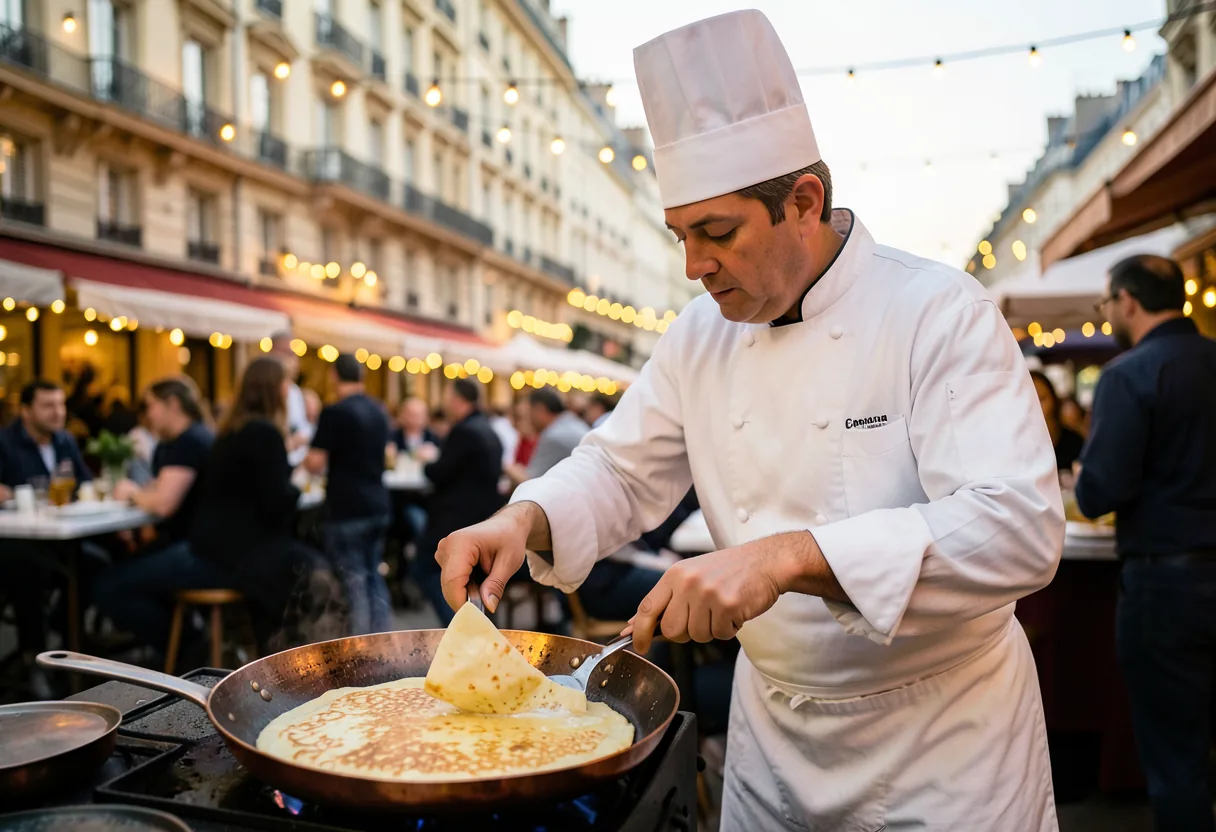
Many brasserie festivals also highlight regional specialities. For example, a festival in Alsace might feature flammekueche (tarte flambée), a thin, crispy pizza-like dish topped with crème fraîche, onions, and bacon. Meanwhile, a festival in Brittany could showcase crêpes and galettes, made from buckwheat flour. This regional focus helps to promote and preserve local culinary traditions.
Brasserie festivals often coincide with other local events or holidays. For instance, some brasseries host special events during the Fête de la Musique, a nationwide French music festival held every summer. Others might celebrate Bastille Day with themed menus and decorations. This connection to wider cultural events helps to integrate brasserie festivals into the broader tapestry of French culture.
What types of events can you expect at a brasserie?
Brasseries often host a variety of events throughout the year, ranging from regular weekly happenings to special one-off occasions. Here are some of the most common types of events you might encounter:
Wine and beer tastings: Many brasseries host regular wine or beer tastings, often led by knowledgeable sommeliers or brewers. These events provide an opportunity to sample a range of wines or beers, learn about their origins, and discover new favourites. For example, a brasserie in Bordeaux might host a wine tasting focusing on local vintages, while a brasserie in Belgium could showcase a range of Trappist beers.
Live music: Live music is a staple of many brasseries, with some hosting regular performances by local musicians. The music can range from traditional French chansons to jazz, blues, or even rock and roll. For instance, a brasserie in Paris might host a weekly jazz night, while a brasserie in Marseille could feature traditional Provençal music.
Cooking demonstrations and classes: Some brasseries offer cooking demonstrations or classes, often led by their resident chefs. These events provide a behind-the-scenes look at how classic French dishes are prepared, and they offer participants the chance to learn new culinary skills. For example, a brasserie in Lyon might host a class on preparing traditional Lyonnais dishes, such as quenelles or saucisson brioché.
Seasonal and holiday events: Brasseries often mark seasonal changes and holidays with special events and menus. For instance, a brasserie might host a champagne brunch to celebrate the arrival of spring, or a special Christmas menu featuring festive dishes like foie gras and bûche de Noël. Some brasseries also host events to celebrate French holidays, such as Bastille Day or the Fête de la Musique.
How do brasserie events differ from other culinary events?
While there are many types of culinary events, from high-end food festivals to intimate wine tastings, brasserie events have some unique characteristics that set them apart.
One key difference is the emphasis on communal dining. Brasserie events often feature long tables where guests can sit together, fostering a sense of community and shared enjoyment. This is in contrast to more formal events, where guests might be seated at individual tables or even standing at tasting stations.
Another distinguishing feature of brasserie events is their focus on classic French cuisine and local specialities. While other culinary events might showcase a wide range of international dishes or innovative, experimental cuisine, brasserie events tend to highlight traditional French dishes and regional specialities. This focus on authenticity and tradition is a hallmark of brasserie dining.
Brasserie events also tend to be more casual and accessible than other culinary events. They often have a relaxed dress code and a welcoming, informal atmosphere. This makes them appealing to a wider range of guests, from locals to tourists, and from casual diners to food enthusiasts. Additionally, brasserie events often incorporate elements of entertainment, such as live music or games, which can make them more engaging and enjoyable than more formal culinary events.
How do brasserie festivals contribute to the culture of brasserie dining?
Brasserie festivals play a vital role in promoting and preserving the culture of brasserie dining. They provide a platform for brasseries to showcase their unique offerings, from classic French cuisine to local brews and wines. In doing so, they help to reinforce the distinct identity of brasserie dining and distinguish it from other types of restaurants.
Brasserie festivals also contribute to the culture of brasserie dining by fostering a sense of community and shared enjoyment. By bringing together food lovers, brewers, winemakers, and musicians, these events create a vibrant, sociable atmosphere that is central to the brasserie experience. This sense of community is further reinforced by the communal dining tables and relaxed, informal atmosphere that are typical of brasserie festivals.
Furthermore, brasserie festivals help to promote and preserve regional culinary traditions. By highlighting local specialities and ingredients, these events celebrate the diverse culinary heritage of France and help to ensure that traditional dishes and techniques are not forgotten. This focus on authenticity and tradition is a key aspect of the culture of brasserie dining.
Finally, brasserie festivals contribute to the culture of brasserie dining by attracting new customers and introducing them to the unique charms of brasserie dining. By offering a taste of the brasserie experience, these events can inspire people to visit brasseries more often and to explore the diverse offerings of the brasserie world. In this way, brasserie festivals help to sustain and grow the culture of brasserie dining for future generations.
What are some famous brasserie festivals and events around the France?
France is home to numerous brasserie festivals and events, each with its unique charm and specialities. Here are a few notable examples:
How can you plan a trip around brasserie festivals and events?
If you’re a food lover looking to explore the world of brasserie dining, planning a trip around brasserie festivals and events can be a delicious and rewarding experience. Here are some tips to help you make the most of your culinary adventure:
Research: Start by researching the various brasserie festivals and events taking place throughout the year. Look for events that feature the types of cuisine and beverages you’re most interested in, and make a list of those you’d like to attend.
Plan ahead: Once you’ve identified the events you want to attend, start planning your trip. Consider factors such as travel arrangements, accommodation, and any necessary reservations. Keep in mind that popular events can fill up quickly, so it’s a good idea to book your tickets and accommodation well in advance.
Explore the local area: While brasserie festivals and events are the main attraction, don’t forget to explore the local area as well. Many of these events take place in historic cities or regions with rich cultural heritage. Take the time to visit local museums, landmarks, and other points of interest to gain a deeper appreciation for the local culture.
Try the local specialities: Brasserie festivals and events are a great opportunity to sample regional specialities and local ingredients. Be sure to try as many different dishes and beverages as you can, and don’t be afraid to ask the locals for recommendations. This is your chance to experience the authentic flavours of France.
Connect with other food lovers: Brasserie festivals and events are a great place to meet like-minded food enthusiasts from around the world. Strike up conversations with other attendees, share your favourite dishes and discoveries, and exchange recommendations for other culinary hotspots. You never know what delicious connections you might make.
How do brasserie festivals and events support local economies?
Brasserie festivals and events play a significant role in supporting local economies. They attract visitors from near and far, generating revenue for local businesses, including brasseries, hotels, and shops. Additionally, these events help to promote and preserve regional culinary traditions, which can boost tourism and create jobs in the hospitality and agriculture sectors.
One way that brasserie festivals support local economies is by showcasing local ingredients and products. Many of these events feature dishes and beverages made with locally sourced ingredients, such as cheese, charcuterie, wine, and beer. By highlighting these products, brasserie festivals help to create a market for local farmers, producers, and artisans, supporting the local economy and promoting sustainable agriculture.
Brasserie festivals also support local economies by creating employment opportunities. These events require a significant amount of staff, including chefs, servers, bartenders, musicians, and event coordinators. By hiring local residents to fill these roles, brasserie festivals help to stimulate the local economy and provide valuable income for community members. Furthermore, the increased foot traffic generated by these events can lead to additional job opportunities in nearby businesses, such as retail shops, hotels, and transportation services.
Think of brasserie festivals and events as a big, lively party that everyone in the community is invited to. Just as a party brings people together, generates conversation, and creates a sense of enjoyment, brasserie festivals bring together food lovers, brewers, winemakers, and musicians, creating a vibrant, sociable atmosphere that benefits the local economy and promotes the unique culture of brasserie dining.
To make the most of your brasserie festival experience, consider the following steps:
- Research the various brasserie festivals and events taking place throughout the year.
- Plan your trip, considering factors such as travel arrangements, accommodation, and any necessary reservations.
- Explore the local area and visit local museums, landmarks, and other points of interest.
- Try as many different dishes and beverages as you can, and don’t be afraid to ask the locals for recommendations.
- Connect with other food lovers and share your favourite dishes and discoveries.
By following these steps, you can ensure that your brasserie festival adventure is not only delicious but also enriching and memorable. So go ahead, indulge in the unique charms of brasserie dining, and savour the flavours of France.
Frequently asked questions
What is a brasserie festival?
A brasserie festival is a culinary event celebrating brasserie culture, featuring regional dishes, craft beers, and live music. It often showcases traditional recipes and modern twists. Examples include Paris's Brasserie Week or local beer festivals with brasserie food stalls.
How do brasserie festivals differ from other food festivals?
Brasserie festivals focus on hearty, rustic dishes and craft beers, reflecting their roots in European brasseries. Unlike fine dining festivals, they emphasize casual, communal dining. Live music and a relaxed atmosphere are typical, distinguishing them from formal food events.
What can attendees expect at a brasserie festival?
Attendees can expect a variety of brasserie dishes like steak-frites, mussels, and quiches, along with craft beer tastings. Live music, cooking demonstrations, and vendor booths selling brasserie-inspired goods are common. Festivals often span a weekend, offering ample time to explore.
Are brasserie festivals family-friendly?
Many brasserie festivals are family-friendly, offering kid-friendly food options and activities. However, some may cater more to adults due to beer tastings and late-night music. Checking the festival's website for specific family-friendly features is advisable.