
Editorial Team · on 13 June 2026 · 6 min read · Last reviewed 13 June 2026
Brasserie dining refers to a style of eating originating from French brasseries, which are casual yet lively restaurants serving traditional French dishes.
Key facts
- Brasseries originated in France in the 18th century, initially as working-class beer halls.
- They are known for their casual atmosphere and quick service, often open late.
- Brasseries typically serve classic French dishes like steak frites, onion soup, and quiche.
- Unlike bistros, brasseries often have a bar area and serve a wide selection of beers.
What is the difference between a brasserie and a bistro?
While both brasseries and bistros serve French cuisine, their origins, atmospheres, and menus differ significantly. Brasseries originated in northern France as beer halls, while bistros emerged in Paris as small, informal eateries. Brasseries tend to be larger, with a bar area and a focus on beer, whereas bistros are smaller, cozier, and often focus on wine.
Brasseries are typically open late and offer a wider range of dishes, reflecting their origins as working-class eateries. They often serve classic French dishes like steak frites, onion soup, and escargot. Bistro menus are usually shorter and focus on a few specialties, often changing daily based on available ingredients.
Think of a brasserie as a lively, beer-focused French pub with a broad menu, while a bistro is like a cozy, wine-centric French cafe with a shorter, seasonal menu.
What are the typical dishes served in a brasserie?
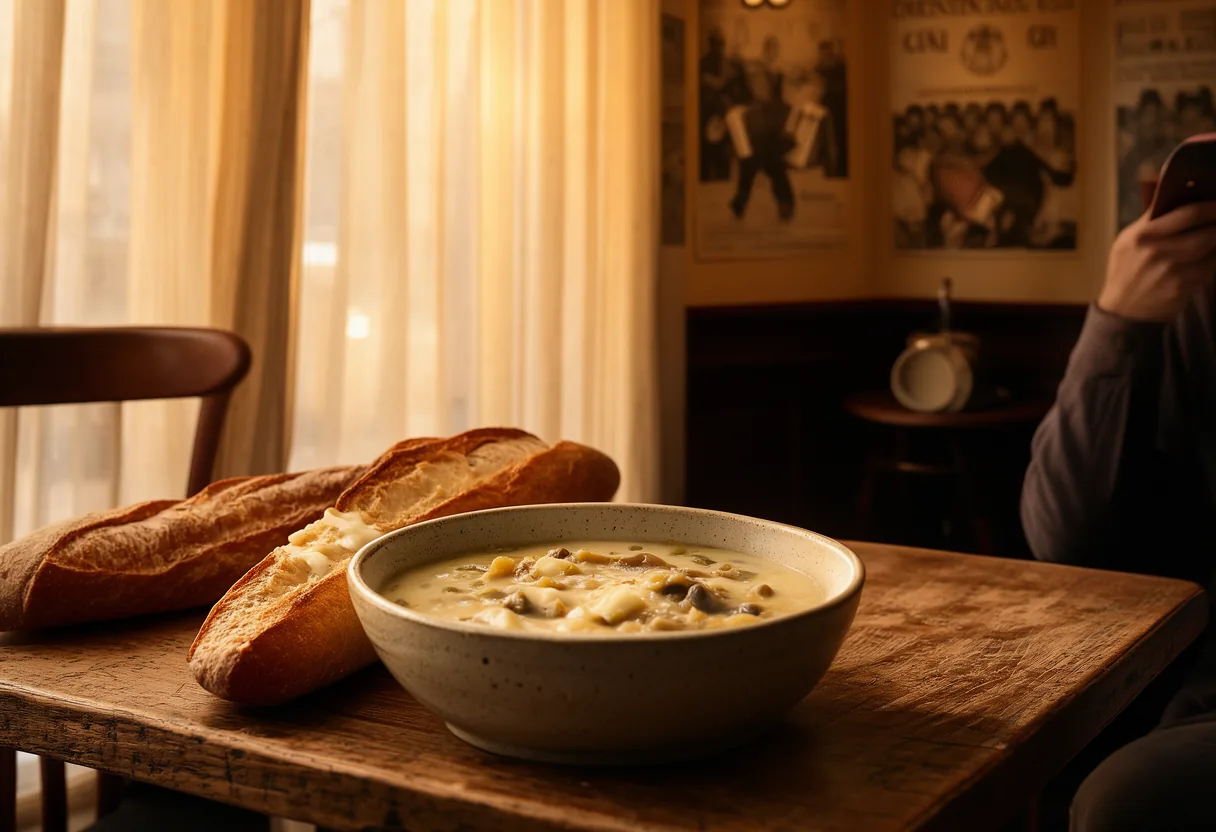
Brasserie menus often feature classic French dishes that are hearty, comforting, and designed to appeal to a wide range of customers. Some of the most popular dishes include steak frites (steak with French fries), onion soup, quiche, and escargot. Brasseries also typically offer a variety of salads, charcuterie boards, and seafood dishes like moules marinières (mussels in white wine sauce).
For dessert, brasseries often serve crème brûlée, profiteroles, and tarte tatin. Many brasseries also have a bar menu with lighter options like croque-monsieur (a grilled ham and cheese sandwich) and French onion soup.
What is the atmosphere like in a brasserie?
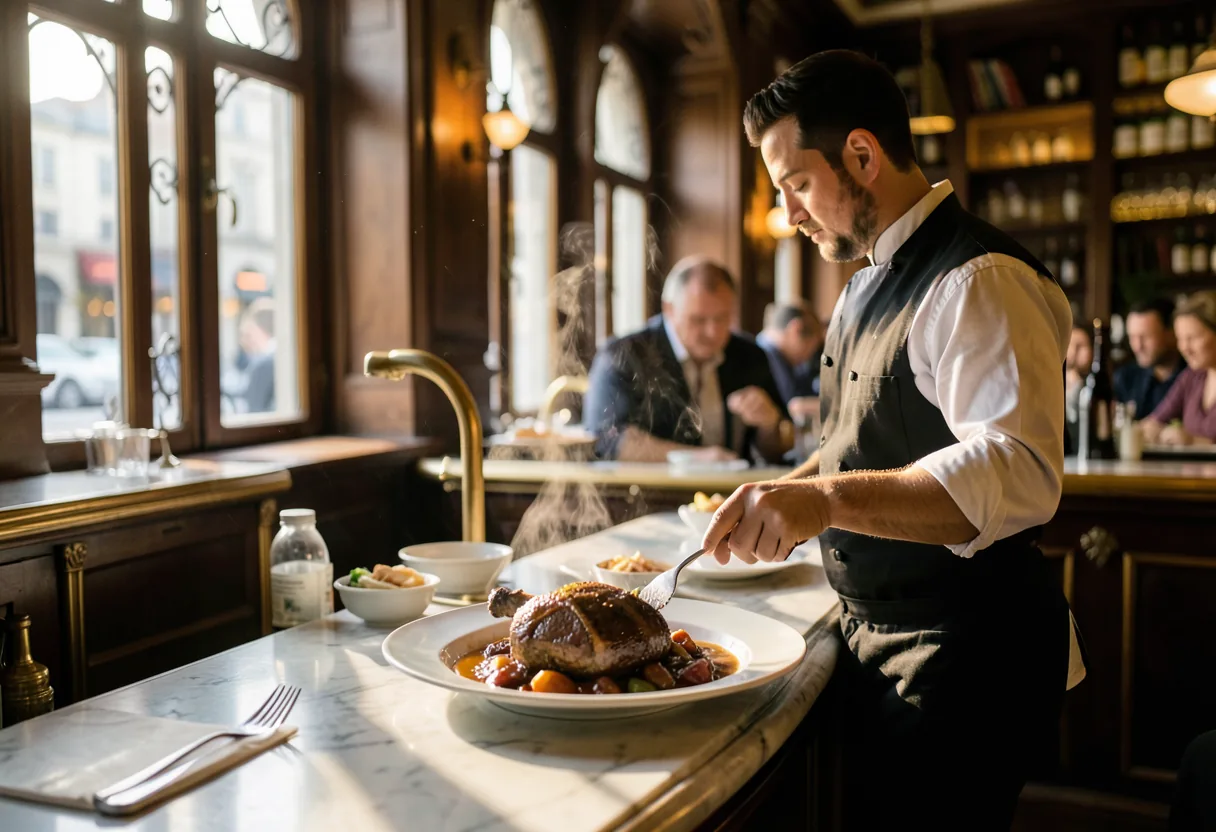
The atmosphere in a brasserie is typically casual and lively, with a focus on quick, friendly service. Brasseries often have a bar area where customers can order drinks and small plates. The decor is usually simple and functional, with a focus on comfort and practicality. Tables are often close together, reflecting the brasserie’s origins as a working-class eatery.
Brasseries are also known for their late-night service, often staying open until the early hours of the morning. This makes them a popular choice for late-night dining and socializing. The overall vibe is relaxed and convivial, with a focus on enjoying good food and drink in the company of others.
Brasserie vs Bistro: A Comparison
What are the best brasserie dishes to try?
If you’re dining at a brasserie, there are several must-try dishes that showcase the best of French cuisine. Steak frites is a classic choice, featuring a juicy steak served with crispy French fries. French onion soup is another brasserie staple, with its rich, caramelized onions and melted cheese. For a lighter option, try a quiche or a salad niçoise.
If you’re feeling adventurous, escargot is a traditional brasserie dish that’s worth a try. For seafood lovers, moules marinières is a delicious choice, featuring mussels cooked in white wine, garlic, and herbs. And don’t forget to save room for dessert—crème brûlée and tarte tatin are both excellent choices.
For more inspiration, check out our article on Top Brasserie Dishes to Try.
How can you create a brasserie atmosphere at home?
If you’re a fan of brasserie dining, you can bring a taste of that atmosphere home with a few simple touches. Start with the decor: opt for simple, functional furniture with a focus on comfort. Use warm, inviting colors and add some vintage French touches like striped tablecloths or chalkboard menus.
When it comes to the food, focus on classic French dishes that are easy to prepare at home. Steak frites, quiche, and French onion soup are all great choices. And don’t forget the drinks—a well-stocked bar with a selection of beers and wines is a must for any home brasserie.
For more tips, see our guide to How to Create a Brasserie Atmosphere at Home.
Brasserie Etiquette: Dos and Don’ts
- Do dress casually but neatly—brasseries are informal but not sloppy.
- Do arrive with an appetite—brasseries serve generous portions.
- Do try local specialties and ask for recommendations from the staff.
- Don’t expect fine dining—brasseries are about quick, hearty meals.
- Don’t be surprised by the lively atmosphere—brasseries are social places.
What are the regional variations in brasserie cuisine?
While brasserie cuisine is rooted in French traditions, regional variations exist across France and beyond. In the north, brasseries often feature dishes like carbonnade flamande (a beef and beer stew) and waterzooi (a creamy vegetable and chicken or fish stew). In the south, you might find more seafood-focused dishes like bouillabaisse (a fish stew) and salade niçoise (a salad with tuna, olives, and vegetables).
In cities like Lyon, known as the gastronomic capital of France, brasseries might serve more refined dishes like quenelles (a fish or poultry dumpling) and saucisson de Lyon (a type of sausage). In Paris, brasseries often focus on classic dishes like steak frites and French onion soup, with a emphasis on quality ingredients and traditional preparation methods.
Regional Brasserie Dishes: A Comparison
To experience the best of brasserie dining, visit some of the top brasseries in Paris, where you can enjoy classic French dishes in an authentic setting. For recommendations, see our article on Best Brasseries in Paris. Whether you’re dining out or recreating the experience at home, brasserie dining offers a delicious taste of French culture and cuisine.
How do brasseries adapt to modern tastes?
Brasseries have evolved over time to cater to modern tastes while staying true to their roots. Many brasseries now offer a mix of traditional and contemporary dishes, incorporating global influences and dietary preferences. Vegetarian and vegan options are becoming more common, with dishes like ratatouille, grilled vegetable platters, and plant-based steak frites.
Brasseries also focus on sustainability and local sourcing, partnering with local farmers and producers to offer fresh, seasonal ingredients. This not only supports the local economy but also ensures high-quality, flavorful dishes. Additionally, many brasseries have embraced technology, offering online ordering, delivery services, and reservations through apps and websites.
For more insights, check out our article on .
Modern Brasserie Adaptations: A Comparison
Brasserie dining continues to thrive by adapting to modern tastes while preserving its rich heritage. Whether you’re enjoying a classic steak frites or a contemporary plant-based dish, the essence of brasserie dining remains the same: a lively, convivial atmosphere where good food and drink bring people together.
Frequently asked questions
What defines a brasserie?
A brasserie is a French-style restaurant known for its casual, lively atmosphere. It typically serves beer (brasserie means brewery in French) and a wide range of traditional French dishes. Expect hearty fare like steak frites, quiche, and onion soup. Brasseries often have a classic decor with mirrored walls and marble tables.
How is a bistro different from a brasserie?
Bistros are smaller, cozier establishments with a focus on simple, home-style French cooking. They usually offer a limited menu that changes seasonally. Think croque-monsieur, escargot, and ratatouille. Bistros often have a more intimate, rustic charm with checkered tablecloths and simple decor.
What kind of ambiance can I expect in a brasserie?
Brasseries are bustling and energetic. They often feature long zinc bar counters and high-top tables. The service is usually quick and efficient, catering to a mix of locals and tourists. Think Parisian cafes with a lively buzz, perfect for people-watching and casual meals.
Are bistros more expensive than brasseries?
Not necessarily. Prices vary based on location and specific restaurants. Bistros may seem pricier due to their intimate setting and focus on fresh, seasonal ingredients. However, brasseries can also have premium pricing for their extensive menus and prime locations. Always check menus online before visiting.