
Editorial Team · on 13 June 2026 · 7 min read · Last reviewed 13 June 2026
A French brasserie dining experience blends casual elegance with classic French cuisine in a lively setting.
Key facts
- Brasseries originated in France in the 19th century as working-class cafés serving beer and simple meals.
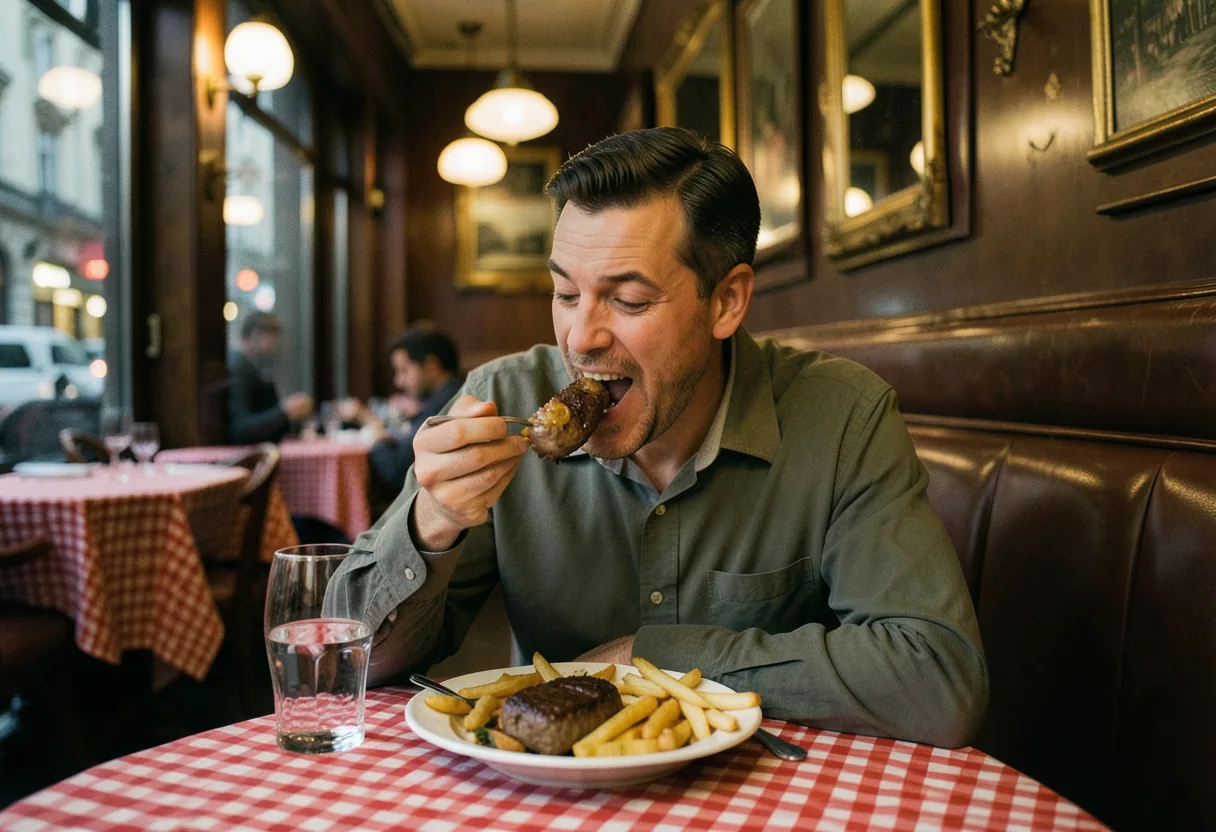
- They typically offer a fixed menu with French comfort food like steak frites, onion soup, and croque-monsieur.
- Brasserie dining is usually less formal than restaurant dining but still follows certain etiquette rules.
- Many brasseries in the UK are found in cities like London, Manchester, and Edinburgh, often with a Parisian-inspired decor.
What should I expect from a brasserie menu?
A brasserie menu is designed for quick, efficient service and features dishes that are hearty and familiar. You’ll typically find a mix of classic French dishes and local specialities. Menus are often written in French, but many brasseries provide English translations. Expect to see dishes like:
- Steak frites (steak and fries)
- Salade Niçoise (tuna salad with vegetables)
- Croque-monsieur (fried ham and cheese sandwich)
- French onion soup
Brasseries often have a separate menu for wine, with a focus on French varieties. Many also offer a selection of beers, including French bières like Kronenbourg and Heineken.
Unlike traditional restaurants, brasseries usually have a fixed menu that changes seasonally rather than daily. This allows for faster service and a more casual dining experience.
What is the dress code for a brasserie?
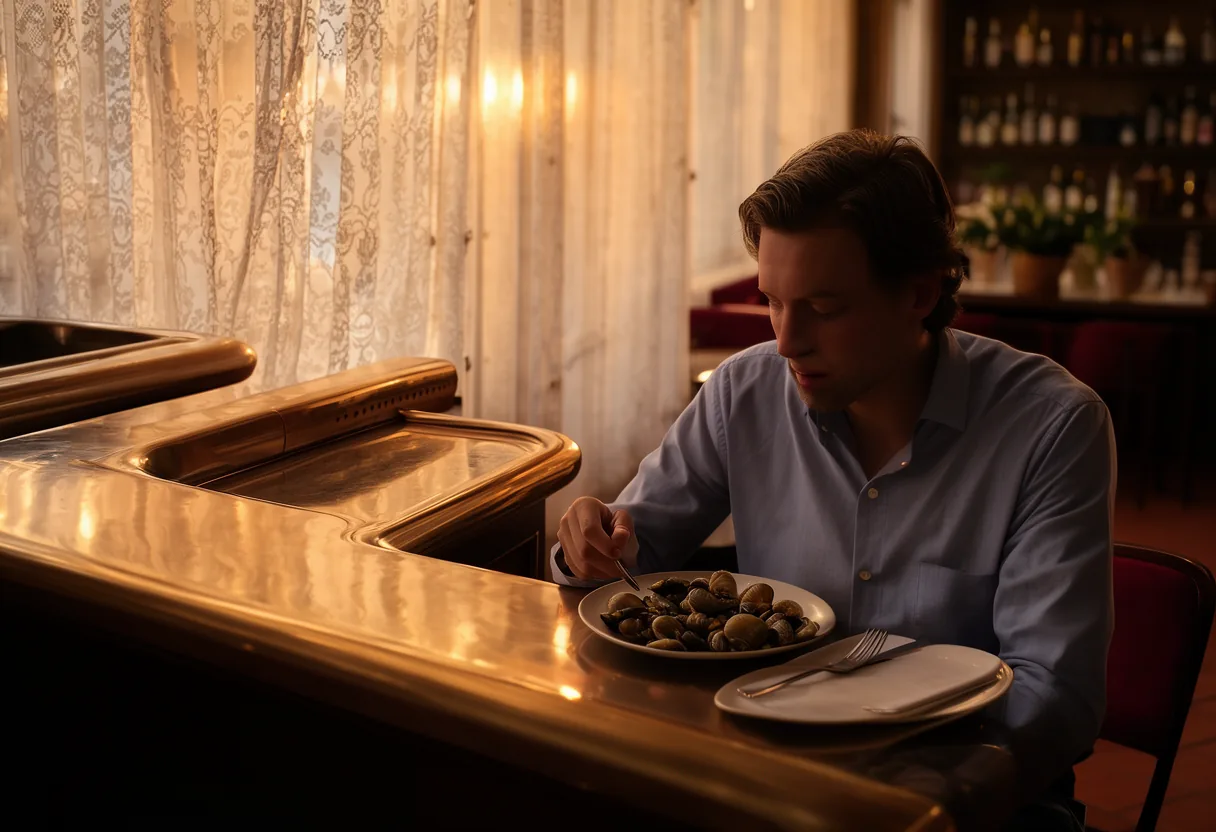
Brasseries are generally more casual than traditional restaurants, but they still maintain a certain level of elegance. The dress code can vary depending on the specific brasserie and its location, but a good rule of thumb is to dress smartly casual.
For men, this might mean a collared shirt with chinos or dark jeans, while women might opt for a nice blouse with a skirt or dress pants. In more upscale brasseries, you might see people wearing suits or cocktail dresses, but this is not the norm.
It’s always a good idea to check the brasserie’s website or give them a call to confirm their dress code. Some brasseries, especially those in tourist areas, may be more lenient with their dress code, while others may be more strict.
Remember, the key is to be comfortable but presentable. You’re not dressing for a black-tie event, but you should still make an effort to look nice.
How do I order at a brasserie?
Ordering at a brasserie is typically straightforward, but there are a few things to keep in mind. First, brasseries often have a fixed menu, so you won’t be able to customise your dish as much as you might at a traditional restaurant. This is to ensure quick and efficient service.
When you’re ready to order, you can either flag down a server or go up to the counter, depending on the brasserie’s setup. In some brasseries, you might order at the table, while in others, you might order at the bar or counter.
If you’re unsure about what to order, don’t hesitate to ask your server for recommendations. They’re usually happy to help and can guide you towards the brasserie’s specialities. For more detailed advice, see our guide on How to Order at a Brasserie.
Remember, brasseries are known for their casual atmosphere, so don’t stress too much about ordering. It’s supposed to be a relaxed and enjoyable experience.
Do I need to make a reservation?
Whether or not you need to make a reservation depends on the specific brasserie and the time of day. Brasseries are typically busiest during lunch and dinner, especially on weekends. If you’re planning to dine during these peak times, it’s a good idea to make a reservation to ensure you get a table.
Many brasseries offer online reservation systems, or you can call ahead to book a table. Some brasseries also accept walk-ins, but you might have to wait for a table, especially during busy periods. For more insights, see our article on Brasserie Reservations: Do You Need Them?.
If you’re unsure about whether to make a reservation, consider the brasserie’s location and popularity. Brasseries in tourist areas or city centres tend to be busier, so it’s better to be safe and book a table in advance.
How much should I tip at a brasserie?
Tipping etiquette at a brasserie is similar to that at a traditional restaurant. In the UK, it’s customary to tip around 10-12.5% of the bill for good service. However, tipping is not mandatory, and the amount you tip is ultimately up to you.
Some brasseries may include a service charge on the bill, usually around 12.5%. If a service charge is included, you’re not expected to tip additionally, but you can choose to do so if you received exceptional service. For a detailed breakdown, see our guide on Brasserie Tipping Etiquette.
If you’re paying by credit card, you can usually add the tip to the bill. If you’re paying in cash, you can leave the tip on the table or hand it directly to your server.
Can I dine at a brasserie with kids?
Yes, many brasseries are family-friendly and welcome children. However, the atmosphere can vary depending on the specific brasserie, so it’s a good idea to check ahead of time. Some brasseries may have a kids’ menu with simpler, child-friendly dishes. For more information, see our guide on Brasserie Dining with Kids.
If you’re dining with young children, consider going during off-peak hours, like early dinner or late lunch. This can help you avoid the busiest times and make for a more relaxed dining experience.
Remember, brasseries are typically casual settings, so don’t worry too much about your kids making noise or being rowdy. Just be mindful of other diners and try to keep the disruption to a minimum.
Brasserie vs. Bistro vs. Café: What’s the difference?
While the terms brasserie, bistro, and café are often used interchangeably, there are some key differences between them.
Popular French Brasserie Dishes and Their Ingredients
Here’s a breakdown of some popular French brasserie dishes and their typical ingredients.
Think of a brasserie as a cross between a café and a restaurant. It’s a place where you can enjoy classic French dishes in a casual but elegant setting, without the formality of a traditional restaurant.
How to Decode a Brasserie Menu
Decoding a brasserie menu can be a challenge, especially if you’re not familiar with French cuisine. Here are some steps to help you navigate the menu.
- Look for familiar dishes. Many brasseries offer classic French dishes that you might recognise, like steak frites or French onion soup.
- Ask your server for recommendations. They’re usually happy to help and can guide you towards the brasserie’s specialities.
- Don’t be afraid to ask questions. If you’re unsure about a dish or its ingredients, don’t hesitate to ask your server for more information.
- Start with the appetisers. Many brasseries offer a selection of appetisers, or entrées, that can give you a taste of what the brasserie has to offer.
- Consider sharing. Brasserie dishes are often designed to be shared, so don’t be afraid to split a dish with a friend or family member.
For a more detailed guide, see our article on Brasserie Menu Decoding.
When dining at a French brasserie, remember that the experience is about more than just the food. It’s about enjoying classic French cuisine in a lively, casual setting. So relax, take your time, and enjoy the atmosphere.
Frequently asked questions
What is the typical attire for a French brasserie?
Casual yet smart attire is common. Men often wear slacks and a collared shirt, while women opt for dresses or skirts. Avoid overly formal wear like suits or ties, and steer clear of overly casual clothing like shorts or flip-flops. The vibe is relaxed but polished.
How should I approach ordering wine at a brasserie?
Start by asking the server for recommendations based on your dish. French brasseries often highlight local wines. If unsure, opt for a classic like Bordeaux or Burgundy. Remember, house wines are usually affordable and well-chosen. Pair reds with meat and whites with seafood or poultry.
Are there specific etiquette rules I should follow?
Yes. Bread is a staple; tear it by hand, not cut. Place utensils on the plate when finished. It’s polite to say 'bon appétit' before eating. Avoid asking for substitutions or alterations to classic dishes. Tipping is not mandatory but appreciated; rounding up the bill is standard.
What are some must-try dishes at a French brasserie?
Classic dishes include steak frites, onion soup, and escargot. For lighter fare, try a salad Niçoise or croque-monsieur. Brasseries often feature fresh seafood like oysters or mussels. Don’t skip dessert—crème brûlée or tarte Tatin are excellent choices. Pair with a coffee or herbal tea to complete the meal.