
Editorial Team · on 13 June 2026 · 7 min read · Last reviewed 13 June 2026
A brasserie dress code typically leans towards smart casual, blending comfort with a touch of elegance to match the lively yet refined atmosphere of French brasserie dining.
Key facts
- Most brasseries in the UK do not enforce strict dress codes but prefer guests to dress smartly.
- Business casual attire is generally acceptable, such as collared shirts, blouses, or neatly pressed trousers.
- Jeans are usually fine, but avoid overly casual items like sportswear, flip-flops, or beachwear.
- Evening dining may call for slightly more formal attire, like a blazer or dress.
What is considered smart casual for a brasserie?
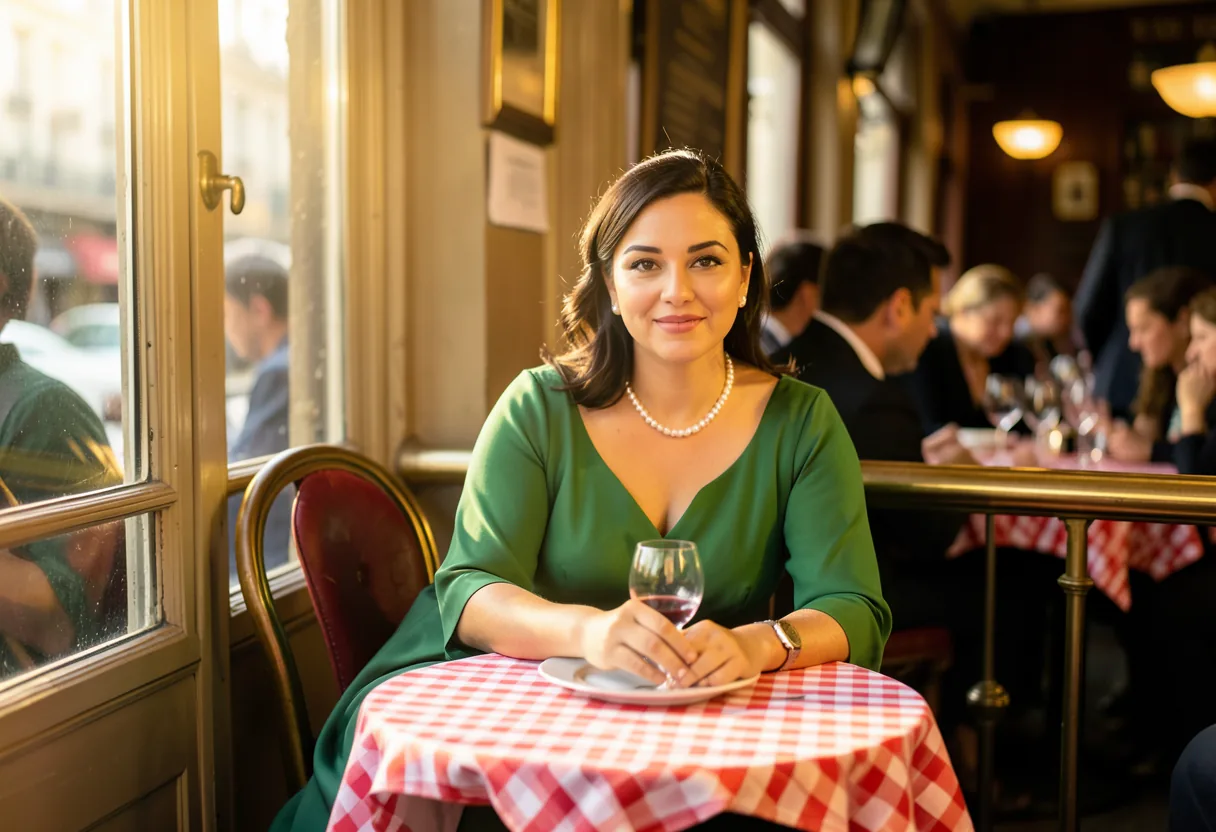
Smart casual attire for a brasserie strikes a balance between formal and relaxed. For men, this could mean a pair of chinos or dark jeans paired with a button-down shirt or a polo shirt. A well-fitted sweater or a blazer can add a touch of sophistication. For women, a blouse with a skirt or smart trousers, or a stylish dress, works well. Avoid overly revealing clothing or anything that looks too casual, like athletic wear or ripped jeans.
In cities like London or Manchester, where brasseries are plentiful, the dress code might be a bit more relaxed, but it’s still important to look presentable. Many brasseries are located in busy urban areas and attract a mix of locals and tourists, so dressing smartly shows respect for the establishment and enhances the overall dining experience.
Are there any specific items of clothing to avoid?
While brasseries are generally more relaxed than fine dining restaurants, there are certain items of clothing that are best avoided. For example, sportswear, including tracksuits or gym clothes, is typically not appropriate. Similarly, flip-flops or beachwear are a no-go, even in more casual brasseries. Very short shorts or revealing tops might also be frowned upon, as they can be seen as too casual or inappropriate for the setting.
Another thing to consider is footwear. While you don’t need to wear formal shoes, it’s a good idea to avoid overly casual options like sandals or old sneakers. Clean, stylish sneakers or loafers can be a good compromise between comfort and style. Additionally, hats can be seen as intrusive in a dining setting, so it’s best to remove them once you’re seated.
How do dress codes vary between daytime and evening dining?
Dress codes can vary slightly depending on the time of day. During the daytime, brasseries often have a more relaxed atmosphere, and the dress code reflects this. You might see people wearing jeans and casual tops, but it’s still a good idea to dress neatly. For example, a pair of dark jeans with a nice top or a casual but well-pressed shirt can be appropriate.
In the evening, the atmosphere might be a bit more refined, and the dress code can become slightly more formal. This doesn’t mean you need to wear a suit or a formal dress, but adding a blazer, a stylish top, or a more elegant dress can enhance your experience. Some brasseries, especially those in upscale areas, might have a dress code that leans towards smart evening wear, so it’s always a good idea to check ahead if you’re unsure.
What should I wear if I’m dining at a high-end brasserie?
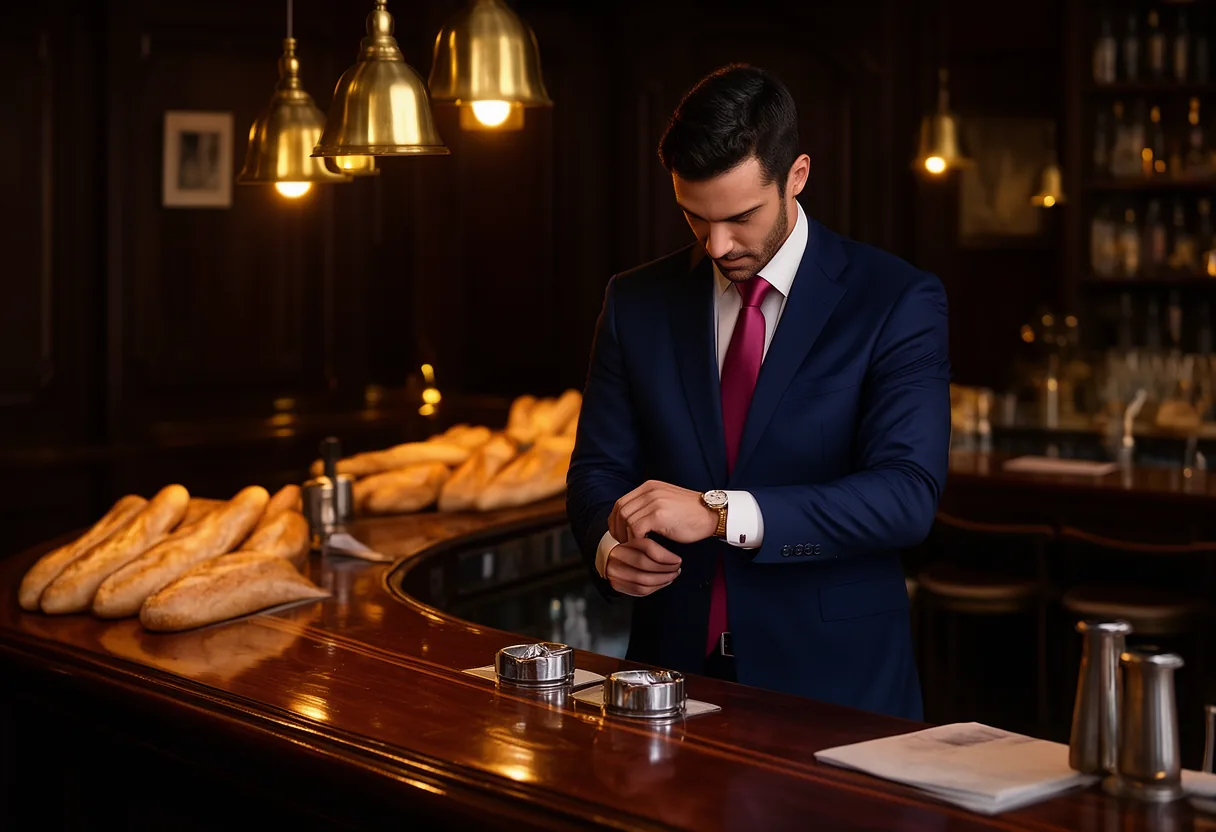
If you’re dining at a high-end brasserie, the dress code might be a bit more formal. For men, a collared shirt with a pair of smart trousers or chinos is a good starting point. A blazer can add a touch of elegance, especially in the evening. For women, a stylish dress or a blouse with a skirt or smart trousers works well. Avoid overly casual items like ripped jeans or athletic wear, and opt for more polished pieces.
High-end brasseries often have a more sophisticated atmosphere, and dressing accordingly can enhance your experience. It’s also worth noting that some high-end brasseries might have specific dress codes, so it’s a good idea to check their website or give them a call ahead of time. When in doubt, it’s better to err on the side of being slightly overdressed than underdressed.
Think of dressing for a brasserie like dressing for a nice dinner with friends—you want to look good but still feel comfortable. It’s like choosing between a fancy restaurant and a café; you wouldn’t wear a tuxedo to a café, but you also wouldn’t show up in pyjamas to a nice dinner.
Are there any cultural considerations to keep in mind?
Brasseries have their roots in French culture, and there are some cultural considerations to keep in mind when it comes to dress code. In France, dressing well is seen as a sign of respect, not just for the establishment but also for yourself and those around you. This doesn’t mean you need to wear formal attire, but it does mean that looking neat and presentable is important.
In the UK, brasseries have adopted a more relaxed approach, but the underlying principle remains the same. Dressing smartly shows that you appreciate the effort that goes into creating a pleasant dining experience. It’s also a good idea to be mindful of local customs and traditions. For example, in more traditional brasseries, removing your hat when you enter is a sign of respect.
What should I do if I’m unsure about the dress code?
If you’re unsure about the dress code, the best thing to do is to check the brasserie’s website or give them a call ahead of time. Many brasseries will have a dress code listed on their website, or they might be able to provide guidance over the phone. Alternatively, you can observe what others are wearing when you arrive. If you notice that most guests are dressed in smart casual attire, you can use that as a guide for your own outfit.
Another option is to dress in layers, so you can easily adjust your outfit to match the setting. For example, you might wear a blazer that you can remove if the atmosphere is more casual, or a stylish top that can be dressed up or down with different accessories. The key is to be mindful of the setting and to dress in a way that shows respect for the establishment and the other guests.
How does the brasserie dress code compare to other types of restaurants?
The dress code for a brasserie is generally more relaxed than that for a fine dining restaurant but more formal than that for a casual café or pub. Fine dining restaurants often have strict dress codes, requiring guests to wear formal attire such as suits or cocktail dresses. In contrast, brasseries offer a more laid-back atmosphere while still maintaining a level of sophistication.
Compared to a casual café or pub, the dress code for a brasserie is slightly more formal. While you might see people wearing jeans and t-shirts at a café, a brasserie typically expects guests to dress a bit more neatly. The key difference is the balance between comfort and style. Brasseries aim to create an environment that is both relaxed and elegant, and the dress code reflects that.
- Research the brasserie’s dress code online or by phone.
- Opt for smart casual attire, such as chinos, dark jeans, or a stylish dress.
- Avoid overly casual items like sportswear, flip-flops, or ripped jeans.
- Dress in layers to easily adjust to the setting.
- Be mindful of cultural considerations, such as removing your hat when you enter.
- When in doubt, observe what others are wearing and dress accordingly.
When dining at a brasserie, the key is to balance comfort with a touch of elegance. By dressing smartly, you not only show respect for the establishment but also enhance your own dining experience. Whether you’re enjoying a casual lunch or a more formal dinner, choosing the right attire can make all the difference. For more tips on dining at a French brasserie, check out our guides on Tips for Dining at a French Brasserie and How to Order at a Brasserie.
Frequently asked questions
What is the typical dress code for a brasserie?
Brasseries usually have a smart casual dress code. Think collared shirts, chinos, or dresses. Avoid overly formal wear like tuxedos or very casual attire like flip-flops. Some upscale brasseries may lean slightly more formal, so check ahead if unsure.
Can I wear jeans to a brasserie?
Yes, jeans are generally acceptable in most brasseries, especially when paired with a nice top or blazer. However, avoid ripped or overly distressed jeans. Opt for dark-wash or classic styles to keep it polished.
Are there specific colors or patterns I should avoid?
Avoid overly bright or neon colors, loud patterns, or anything too revealing. Brasseries favor understated elegance. Stick to neutral tones, subtle patterns, or classic prints like gingham or small polka dots.
What footwear is appropriate for a brasserie?
Loafers, dress shoes, ankle boots, or elegant flats are ideal. Avoid sneakers or heavily worn shoes. In summer, clean sandals with a dressy strap can work, but flip-flops are a no-go.