
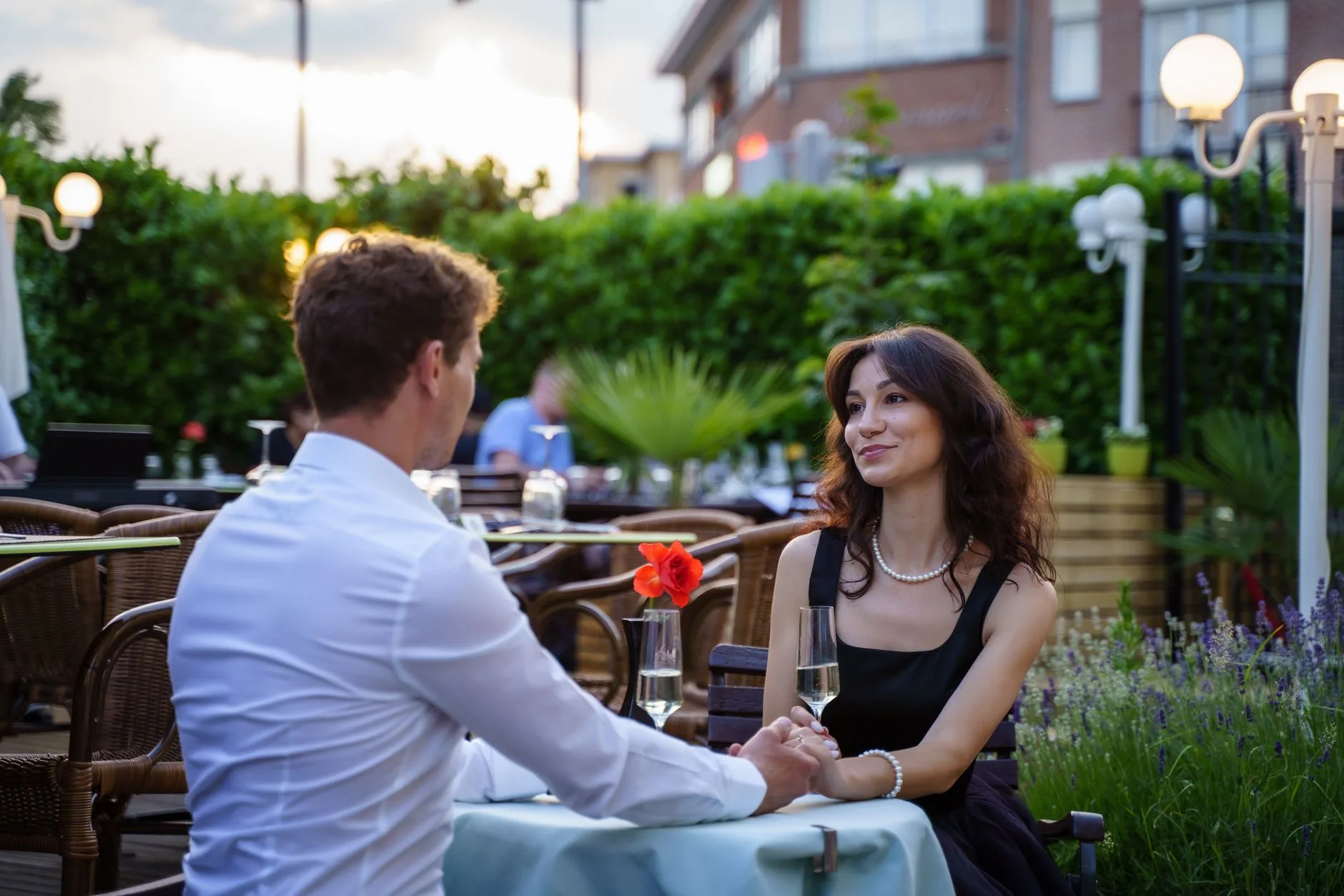
Brasserie Dining Experience
Brasseries are the heart of French social dining, blending rich history with a lively atmosphere. Originating in 19th-century Paris, these establishments evolved from beer halls to iconic eateries serving classic French fare. Today, brasseries are celebrated for their bustling energy, timeless decor, and signature dishes like steak-frites and escargots. This section explores the essence of brasserie dining, from its cultural roots to contemporary interpretations.
Whether you’re a seasoned foodie or new to French cuisine, understanding the brasserie experience enriches your culinary adventures. From the distinctive difference between brasseries and bistros to the etiquette that enhances the meal, these articles guide you through the nuances. Learn how to recreate the brasserie vibe at home or discover the best spots in Paris for an authentic taste.
History and Evolution
The first brasserie, Le Grand Café Capucines, opened in Paris in 1862, setting the stage for a dining revolution. Originally, brasseries were known for brewing their own beer, a tradition that faded as they transformed into all-day dining spots. By the early 20th century, brasseries became synonymous with French bistro culture, offering hearty meals and a convivial atmosphere. The Art Nouveau decor of many historic brasseries, such as Brasserie Flo in Paris, reflects their golden age. These establishments survived both World Wars, becoming cultural landmarks that continue to thrive today.
Brasseries spread beyond France, adapting to local tastes while retaining their core identity. In the U.S., for example, New York’s Brasserie 8½ Zola captures the Parisian vibe with a modern twist. The evolution of brasserie dining is a story of resilience and adaptation, proving its enduring appeal. Understanding this history adds depth to every visit, whether you’re enjoying a classic dish or a contemporary creation.
Signature Dishes and Cuisine
Brasserie menus are a celebration of French comfort food, with dishes designed for sharing and savoring. Steak-frites, a simple yet iconic dish, is a must-try, often served with a rich peppercorn sauce. Escargots, cooked in garlic butter, offer a taste of traditional French cuisine, while choucroute garnie, a hearty dish of sauerkraut and sausage, showcases Alsatian influences. Desserts like crème brûlée and tarte Tatin round out the meal, providing a sweet finish to a brasserie feast.
Seafood lovers can indulge in moules marinières, mussels steamed in white wine and herbs. Brasseries also excel at charcuterie boards, featuring an array of cured meats and cheeses. Each dish reflects the brasserie’s commitment to quality and tradition, using fresh ingredients and time-honored recipes. Exploring these dishes is a journey through French culinary history, offering a taste of the country’s diverse regional flavors.
Brasserie Etiquette and Customs
Dining in a brasserie is more than just a meal; it’s a cultural experience. The custom of starting with an apéritif, such as a kir or pastis, sets the tone for a leisurely meal. Brasseries encourage lingering, with servers often bringing small compliments like a slice of baguette or a dish of olives. Tipping is less formal than in the U.S., with a service charge typically included in the bill.
The dress code is relaxed yet stylish, with Parisians often opting for casual chic. Brasseries are also known for their lively atmosphere, with conversations and laughter filling the air. Understanding these customs enhances the experience, allowing you to fully immerse yourself in the brasserie tradition. Whether you’re dining solo or with friends, embracing these etiquette tips ensures a memorable and enjoyable meal.
Brasserie vs. Bistro
Brasseries and bistros are often confused, but key differences set them apart. Brasseries are larger, with a focus on all-day dining and a more formal atmosphere. They typically have a bar and serve beer, reflecting their brewing origins. Bistro, on the other hand, are smaller, cozy establishments that emphasize a homey vibe and regional French cuisine. Bistros often close after dinner, while brasseries stay open late, catering to a wider range of patrons.
The menu is another differentiator, with brasseries offering a broader selection of dishes, including seafood and charcuterie. Bistros tend to feature simpler, heartier fare like pot-au-feu or boeuf bourguignon. Recognizing these distinctions helps you choose the right dining experience for your tastes and preferences. Whether you opt for the bustling energy of a brasserie or the intimate charm of a bistro, both offer a delightful taste of French culinary culture.
Brasserie dining is a celebration of French culture, history, and cuisine. From the iconic dishes to the lively atmosphere, every aspect of the brasserie experience is designed for enjoyment. Whether you’re exploring the best brasseries in Paris or recreating the ambiance at home, this section provides the insights and guidance you need. Embrace the tradition, savor the flavors, and let the brasserie experience enrich your culinary journey.