
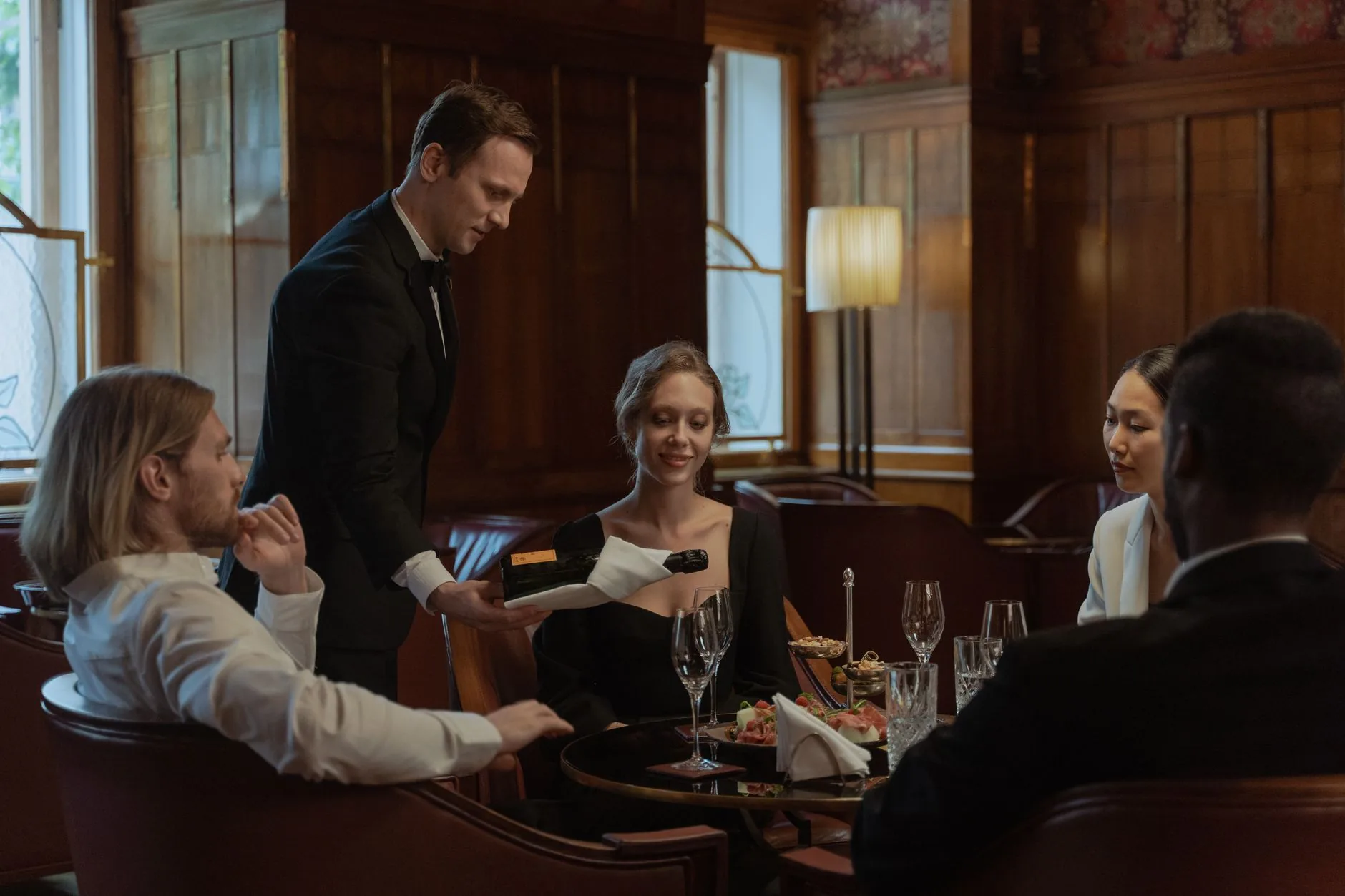
Brasserie Dining: A Guide to the Parisian Experience
Brasserie dining offers a slice of Paris in every city where it thrives. These bustling eateries, with their classic zinc bars and chalkboard menus, promise an authentic French experience. But what exactly sets a brasserie apart, and how can diners make the most of it? From understanding the menu to mastering tipping etiquette, this section helps you appreciate the brasserie’s unique charm.
The brasserie menu is a world unto itself, filled with French classics and regional specialties. Decoding it starts with recognizing the staples: steak-frites, oeufs mayonnaise, and confit de canard are brasserie mainstays. But the real fun lies in exploring the lesser-known dishes, like tête de veau or tripe à la mode de Caen. Don’t be afraid to ask your server for explanations; they’re often proud to share their knowledge.
Brasserie Reservations: To Book or Not to Book
The reservation question hinges on the brasserie’s location and popularity. In Paris, spots like Brasserie Lipp or Le Procope rarely take reservations, operating on a first-come, first-served basis. But in cities like New York or London, many brasseries welcome reservations, especially for larger groups. A quick call ahead can save you from a long wait, but be prepared to embrace the spontaneous energy of a brasserie if you arrive without one.
Timing matters too. Brasseries are at their busiest during traditional French mealtimes: lunch between 12:30 PM and 2:00 PM, and dinner from 7:30 PM onwards. Arriving just before or after these peaks can mean a shorter wait. And if you’re dining late, remember that many brasseries serve until the early hours, making them perfect for post-theater meals.
Tipping Etiquette: The Art of the Pourboire
Tipping in a brasserie follows French customs, not American ones. The service charge is usually included in the bill, so there’s no need to add an extra 20%. A small pourboire, around 5% to 10%, is appreciated for good service. Hand it directly to your server; leaving it on the table might mean it’s collected by staff who didn’t serve you.
If you’re paying by card, you can add the tip to the total before paying. But cash is often preferred, as it ensures the server receives the tip directly. And remember, tipping isn’t obligatory. It’s a gesture of appreciation for good service, not a requirement.
The Brasserie Dress Code: Casual Chic
The brasserie dress code is all about casual elegance. Think of it as “Parisian smart casual”: a well-fitted blazer over a T-shirt, a skirt with a simple top, or dark jeans with a polished pair of shoes. You won’t find white tablecloths or strict dress codes here, but that doesn’t mean you should turn up in sweatpants or flip-flops.
Brasseries are social places, where Parisians mix business with pleasure. Dressing the part helps you blend in and enjoy the atmosphere. And if you’re dining at a more upscale brasserie, like Paris’s famed Brasserie Flo, you might want to err on the side of slightly smarter. But generally, comfort and style are the order of the day.
Brasserie dining is more than just a meal; it’s an experience. From the moment you step through the door, you’re part of a Parisian tradition that values good food, good wine, and good company. Whether you’re a first-time visitor or a seasoned regular, there’s always more to discover. So pull up a chair, order a glass of wine, and let the brasserie work its magic.