
Editorial Team · on 13 June 2026 · 8 min read · Last reviewed 13 June 2026
Brasserie dining refers to a casual yet elegant French dining experience characterised by specific decor and design elements that create a distinctive atmosphere.
Key facts
- Brasseries originated in France in the 19th century and were initially breweries that served food.
- Traditional brasserie decor includes mirrored walls, marble-topped tables, and wrought-iron chairs.
- Brasseries typically feature long zinc-topped bars where patrons can enjoy drinks and quick meals.
- The colour palette often includes rich, warm hues like red, gold, and black.
What are the signature decor elements of a brasserie?
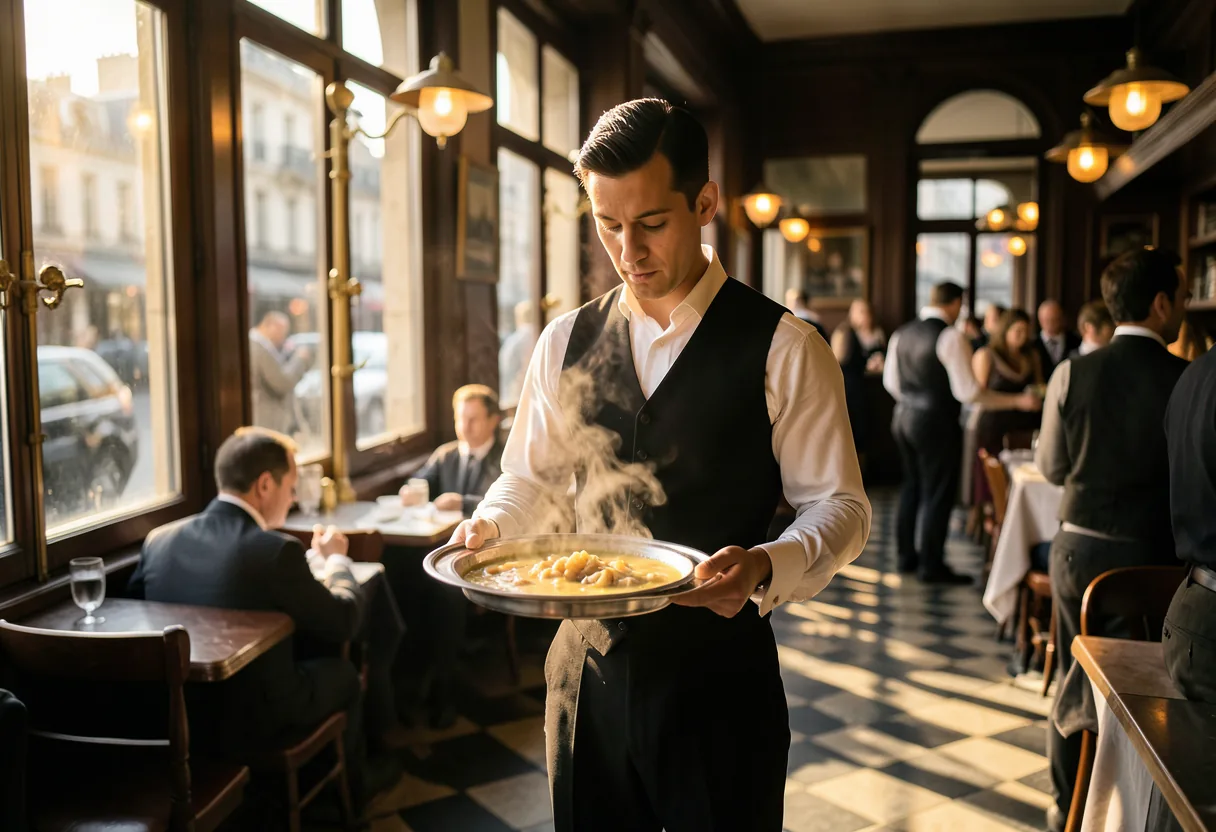
Brasserie decor is designed to be inviting and stylish, with a focus on creating a convivial atmosphere. One of the most iconic elements is the use of mirrors, which not only make the space feel larger but also reflect light, adding to the overall brightness of the room. Mirrors were historically used to enhance the perception of space in the often-cramped urban brasseries of 19th-century Paris. Marble-topped tables are another staple, providing a classic and elegant touch. These tables are often paired with wrought-iron chairs, which add a rustic charm to the setting. The wrought-iron chairs, with their intricate designs, are both functional and aesthetically pleasing, contributing to the overall charm of the brasserie.
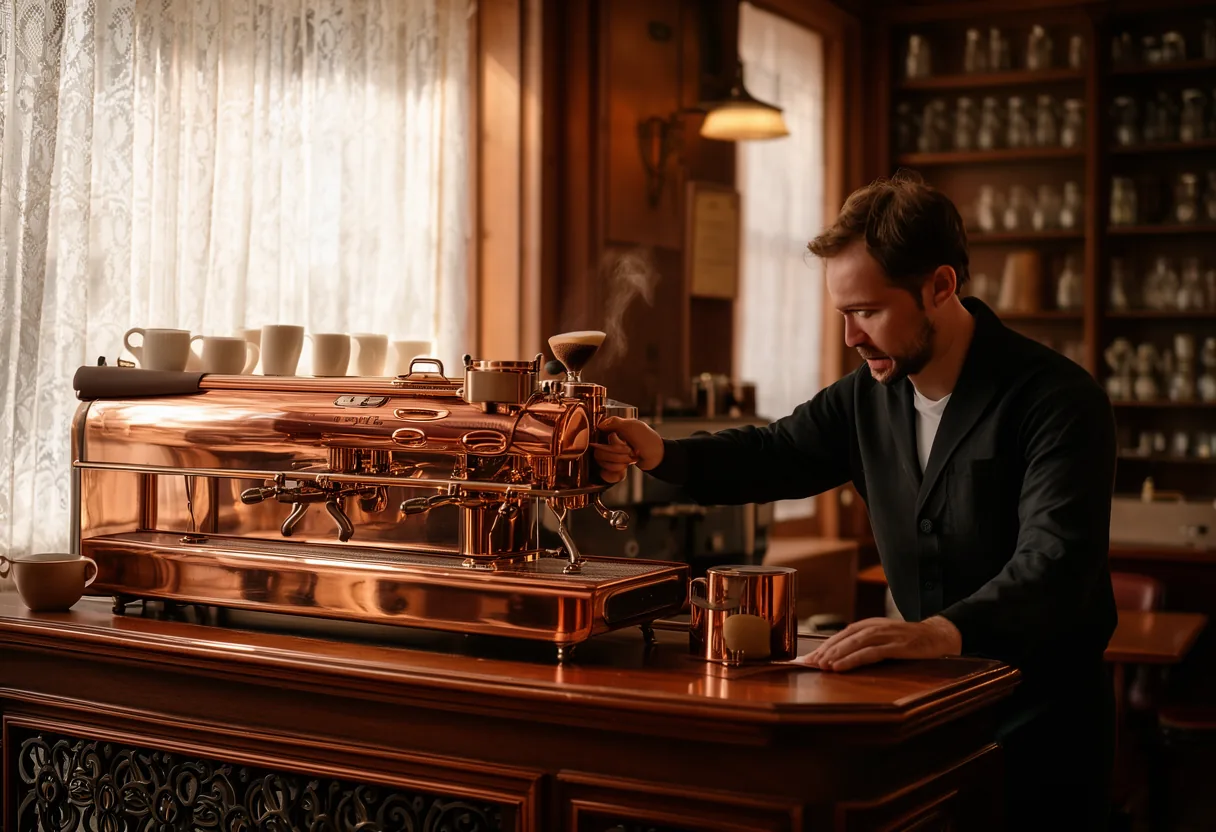
Another signature element is the zinc-topped bar, which is a nod to the brasserie’s brewing origins. These bars are not only functional but also serve as a focal point in the decor. Zinc was historically used due to its durability and ease of cleaning, making it ideal for high-traffic areas. Additionally, the colour palette of a brasserie typically includes rich, warm hues like red, gold, and black, which contribute to the cosy and intimate atmosphere. Brass fixtures and chandeliers are also common, adding a touch of glamour and sophistication. The brass fixtures, in particular, add a warm, inviting glow that enhances the overall ambiance.
How does the layout of a brasserie contribute to its ambiance?
The layout of a brasserie is carefully designed to encourage social interaction and create a lively atmosphere. Long, communal tables are often used to foster a sense of community among diners. These tables are typically placed in the centre of the room, with individual tables arranged around the perimeter. This layout allows for both group dining and intimate conversations. The communal tables, in particular, encourage patrons to mingle and share their dining experience with others, creating a vibrant and social environment.
The bar area is another key component of the brasserie layout. It is usually centrally located and serves as a hub of activity. Patrons can gather at the bar to enjoy drinks, chat with the bartender, or watch the chefs at work. The open kitchen concept is also common in brasseries, allowing diners to see the food being prepared and adding to the overall excitement of the dining experience. The open kitchen not only provides entertainment but also builds trust with the diners, as they can see the freshness and quality of the ingredients being used.
What role do lighting and furniture play in brasserie design?
Lighting is a crucial aspect of brasserie design, as it sets the mood and enhances the overall ambiance. Brasseries often use a combination of natural and artificial lighting to create a warm and inviting atmosphere. Natural light is maximised through large windows, while artificial lighting is provided by chandeliers, wall sconces, and table lamps. The use of dimmable lights allows the staff to adjust the lighting levels throughout the day, creating a cosy evening setting. For example, during the day, brighter lighting can create an energetic atmosphere, while in the evening, dimmer lighting can create a more intimate and romantic setting.
Furniture in a brasserie is chosen to be both stylish and comfortable. Wrought-iron chairs with cushioned seats are a common choice, as they provide a balance of elegance and comfort. Wooden chairs and benches are also used, particularly in the communal seating areas. The tables are typically made of dark wood or marble, which complements the overall decor and adds to the classic brasserie aesthetic. The dark wood tables, in particular, add a touch of sophistication and elegance to the setting. Additionally, the use of comfortable cushions on the wrought-iron chairs ensures that diners can enjoy their meals in comfort, even for extended periods.
Think of a brasserie as a stylish, lively living room where everyone is welcome. The mirrors make the space feel open and bright, like a well-lit parlour, while the communal tables encourage conversation and sharing, much like a family dinner. The zinc-topped bar serves as the heart of the room, where stories are shared and drinks are enjoyed, much like a cosy pub.
How does the colour palette of a brasserie influence the dining experience?
The colour palette of a brasserie plays a significant role in creating the right atmosphere. Rich, warm hues like red, gold, and black are commonly used to evoke a sense of cosiness and intimacy. Red, in particular, is often used on the walls or in the upholstery, as it is known to stimulate appetite and create a lively environment. Gold accents, such as in the lighting fixtures or table settings, add a touch of elegance and sophistication. The use of gold in lighting fixtures, for example, can create a warm, inviting glow that enhances the overall ambiance.
Black is often used in the furniture and decor to provide a striking contrast and add depth to the space. The combination of these colours creates a harmonious balance, making the brasserie feel both inviting and stylish. The use of patterns, such as striped wallpaper or patterned upholstery, can also add visual interest and enhance the overall aesthetic. For instance, striped wallpaper can add a touch of classic French elegance, while patterned upholstery can add a layer of visual complexity and texture to the setting.
What are the key steps to creating an authentic brasserie atmosphere?
- Incorporate signature decor elements such as mirrors, marble-topped tables, and wrought-iron chairs.
- Choose a colour palette that includes rich, warm hues like red, gold, and black.
- Design the layout to encourage social interaction, with communal tables and a central bar area.
- Use a combination of natural and artificial lighting to create a warm and inviting atmosphere.
- Select furniture that is both stylish and comfortable, such as wooden chairs and benches.
- Add personal touches, such as artwork or memorabilia, to make the brasserie feel unique and inviting.
How does the menu of a brasserie complement its decor and atmosphere?
The menu of a brasserie is designed to complement its decor and atmosphere, offering a range of classic French dishes that are both hearty and elegant. Traditional brasserie menus often feature dishes like steak frites, French onion soup, and escargots, which are not only delicious but also evoke a sense of French culinary tradition. These dishes are typically prepared using fresh, high-quality ingredients and served in a manner that is both rustic and refined, aligning with the overall aesthetic of the brasserie.
In addition to classic dishes, many brasseries also offer a selection of wines and cocktails that enhance the dining experience. The wine list often includes a variety of French wines, from regions like Bordeaux, Burgundy, and the Loire Valley, providing patrons with the opportunity to explore the diverse flavours of France. Cocktails, such as the classic French 75 or a Kir Royale, can add a touch of sophistication and elegance to the dining experience. The presentation of the dishes and drinks is also an important aspect of the brasserie menu, with an emphasis on visual appeal and attention to detail.
To create an authentic brasserie atmosphere, focus on incorporating the signature decor elements and design principles that have made brasseries popular for over a century. By combining stylish furniture, a warm colour palette, and a layout that encourages social interaction, you can create a dining experience that is both inviting and memorable. Whether you are designing a new brasserie or renovating an existing one, these key steps will help you achieve the perfect ambiance for a truly French dining experience. For more insights into the culture of French brasseries, explore The Culture of French Brasseries and The Role of Brasseries in French Society. To enhance the dining experience further, consider the role of music and ambiance, as discussed in Brasserie Music and Ambiance. Additionally, understanding the contributions of famous French brasserie chefs can provide valuable inspiration, as detailed in Famous French Brasserie Chefs. For those interested in the culinary aspects, exploring brasserie wine pairings can add another layer of sophistication, as outlined in Brasserie Wine Pairings. Lastly, participating in brasserie festivals and events can offer a deeper appreciation of the brasserie culture, as highlighted in Brasserie Festivals and Events.
Frequently asked questions
What are key elements of brasserie decor?
Brasserie decor often features classic, vintage elements like mirrored walls, marble tabletops, and wrought iron furniture. Warm lighting, often from chandeliers or wall sconces, and checkered or tiled floors are common. The look is typically Parisian, with a blend of elegance and rustic charm. Think of places like Bistro Don Giovanni in NYC.
How can I incorporate brasserie design into a small space?
Use mirrors to create a sense of spaciousness. Opt for compact, round tables with marble tops and metal chairs. Add vintage touches like framed posters or black-and-white photos. Focus on warm, ambient lighting. Small bistro tables with checkered cloths can also work well in tight spaces.
What colors work best for brasserie decor?
Classic brasserie decor often uses a neutral palette with black, white, and red as accent colors. Deep reds, rich golds, and dark greens can add warmth. Marble countertops and black wrought iron furniture are staples. The goal is to create a warm, inviting atmosphere reminiscent of a Parisian bistro.
How can I create an authentic brasserie feel with lighting?
Use chandeliers or pendant lights with Edison bulbs for a vintage look. Wall sconces with a warm glow add ambiance. Consider dimmable lights to control the mood. Avoid harsh overhead lighting. The aim is to create a cozy, intimate setting that encourages lingering over meals.