
Editorial Team · on 13 June 2026 · 11 min read · Last reviewed 13 June 2026
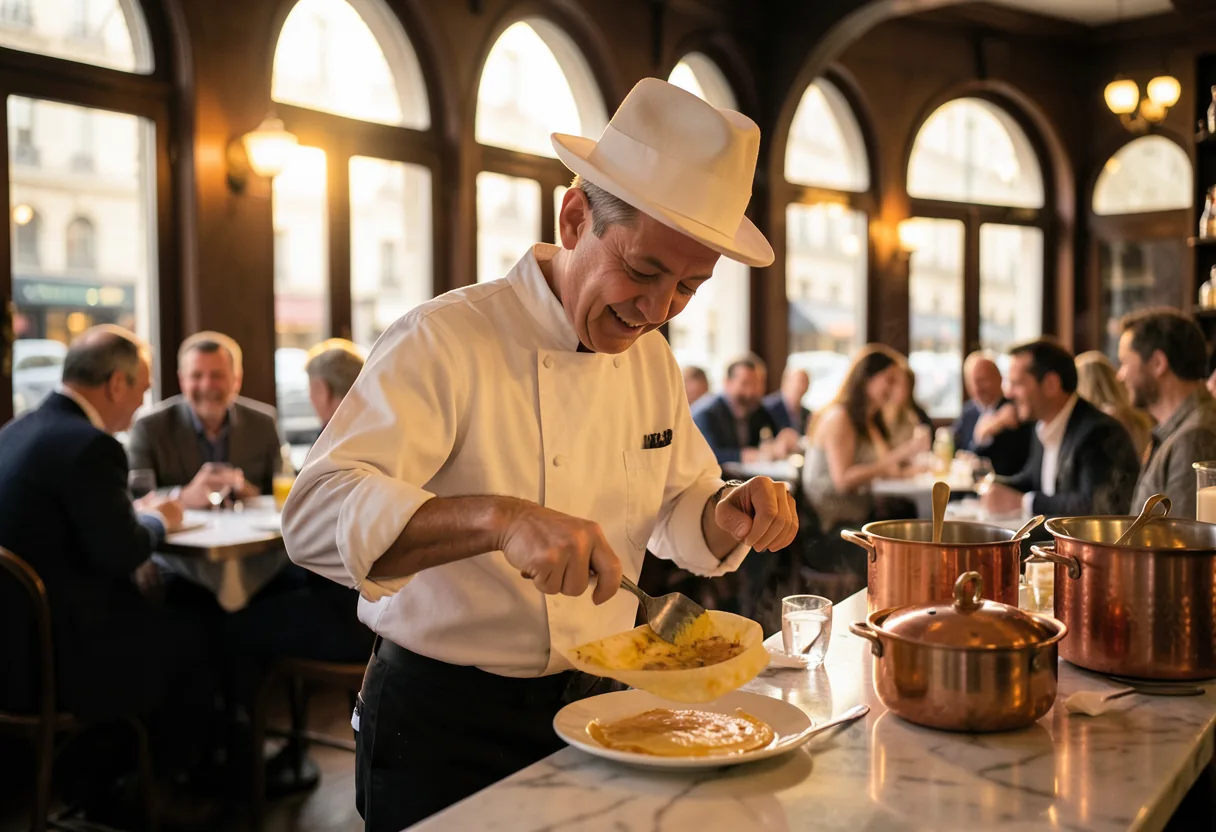
A famous French brasserie chef is a highly skilled culinary professional who specialises in the traditional and contemporary dishes served in French brasseries, blending classic techniques with innovative flavours to create memorable dining experiences.
Key facts
- Brasserie chefs often train under the rigorous French apprenticeship system, learning classic techniques like bouillabaisse and coq au vin.
- Many renowned brasserie chefs have earned Michelin stars for their work, even if their primary focus is on brasserie dining.
- Brasserie chefs must balance creativity with consistency, as brasseries often serve high volumes of customers daily.
- Famous brasserie chefs frequently collaborate with local producers to source high-quality ingredients, a hallmark of French cuisine.
Who are the most famous French brasserie chefs?
The term “famous French brasserie chef” often evokes images of culinary legends who have mastered the art of brasserie dining. One such figure is Alain Senderens, who, despite his Michelin-starred career, played a pivotal role in shaping brasserie cuisine at his restaurant Le Grand Véfour. Another notable name is Paul Bocuse, who, while primarily associated with Lyon’s haute cuisine, had a profound influence on brasserie culture. Bocuse’s emphasis on fresh, regional ingredients and hearty, comforting dishes became a cornerstone of brasserie dining.
More recently, chefs like Cyril Lignac have brought brasserie dining into the modern era. Lignac, known for his restaurants such as Le Cinquante, has redefined classic brasserie dishes with a contemporary twist. His approach combines traditional techniques with innovative flavours, making him a standout in the world of brasserie cuisine. Another contemporary figure is Yves Camdeborde, whose bistro and brasserie offerings have garnered widespread acclaim. Camdeborde’s focus on simplicity and quality has earned him a place among the most respected brasserie chefs.
What makes a brasserie chef famous?
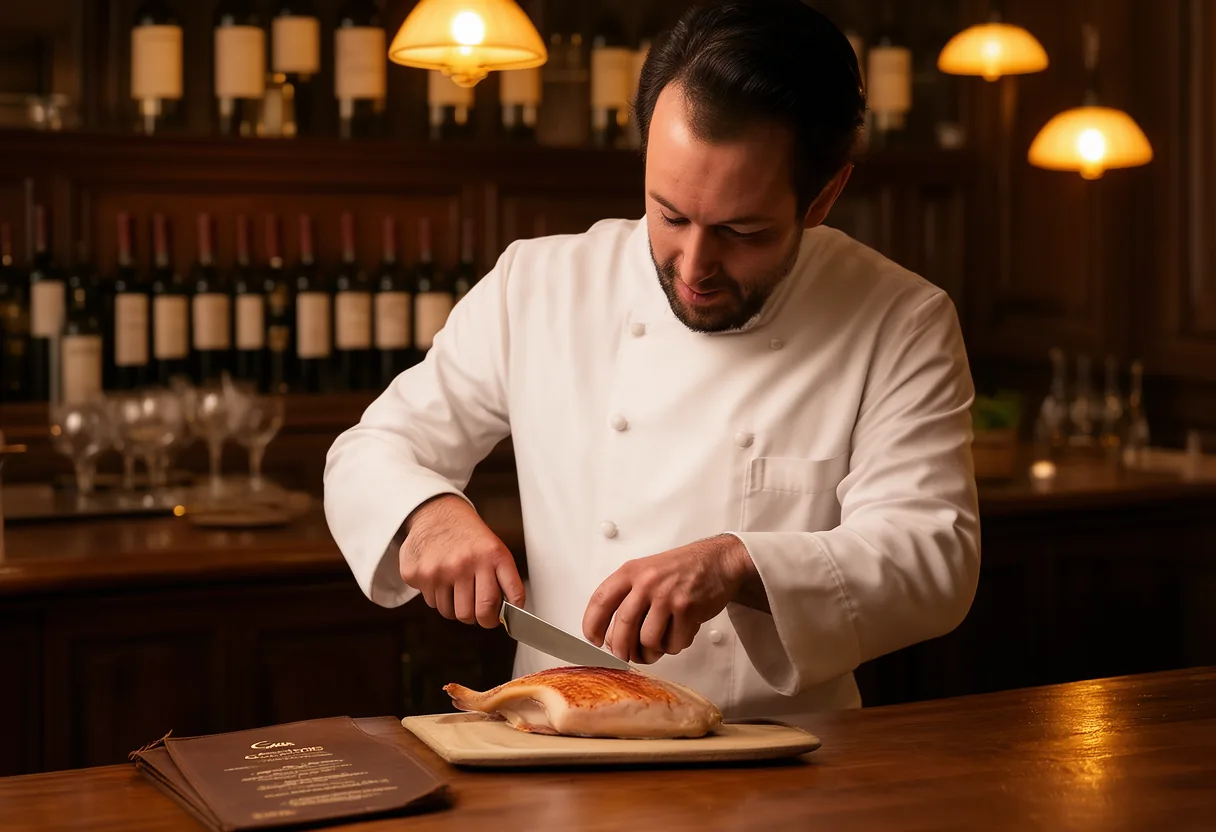
The path to fame for a brasserie chef often involves a combination of culinary expertise, innovation, and a deep understanding of French gastronomic traditions. Many famous brasserie chefs have undergone rigorous training, often starting as apprentices in prestigious kitchens. This training equips them with the skills to master classic dishes like steak frites, escargots, and cassoulet, which are staples in brasserie menus. The ability to execute these dishes with precision and consistency is a hallmark of a skilled brasserie chef.
Innovation is another key factor that sets famous brasserie chefs apart. While they respect traditional recipes, they also bring fresh ideas to the table, whether through the use of unique ingredients, creative presentation, or modern cooking techniques. For example, Cyril Lignac’s use of truffle oil in classic dishes or Yves Camdeborde’s focus on farm-to-table ingredients has helped them stand out in a competitive culinary landscape. Additionally, these chefs often collaborate with local producers to source the finest ingredients, ensuring that their dishes are both authentic and of the highest quality.
Visibility and media presence also play a significant role in a brasserie chef’s rise to fame. Many famous chefs have appeared on television cooking shows, written bestselling cookbooks, or been featured in prestigious culinary magazines. For instance, Alain Senderens’ work at Le Grand Véfour was widely covered in the press, and Paul Bocuse’s contributions to French cuisine were celebrated both nationally and internationally. This exposure helps to elevate their status and attract a wider audience to their restaurants.
How do famous brasserie chefs influence brasserie dining culture?
Famous brasserie chefs play a crucial role in shaping the culture of brasserie dining. Their influence extends beyond the kitchen, impacting everything from menu design to the overall dining experience. By introducing new dishes or revisiting classic recipes with a modern twist, these chefs help to keep brasserie dining relevant and exciting. For example, Cyril Lignac’s contemporary interpretations of traditional dishes have attracted a younger demographic to brasseries, ensuring that these establishments remain vibrant and dynamic.
Moreover, famous brasserie chefs often set trends that other chefs and restaurants follow. Their innovative techniques and creative use of ingredients can inspire a wave of culinary experimentation across the industry. For instance, the emphasis on farm-to-table dining championed by Yves Camdeborde has encouraged other brasseries to prioritise locally sourced ingredients, enhancing the overall quality of brasserie cuisine. This ripple effect helps to elevate the standard of brasserie dining as a whole, making it a more appealing option for discerning diners.
Famous brasserie chefs also contribute to the cultural significance of brasseries. These establishments have long been a staple of French social life, serving as gathering places for locals and visitors alike. By lending their expertise and reputation to brasseries, famous chefs help to reinforce their status as cultural institutions. For example, Paul Bocuse’s association with Lyon’s culinary scene helped to cement the city’s reputation as a gastronomic capital, attracting food enthusiasts from around the world. Similarly, Alain Senderens’ work at Le Grand Véfour added a touch of sophistication to Parisian brasserie culture, making it a destination for those seeking a refined dining experience.
What can aspiring chefs learn from famous brasserie chefs?
Aspiring chefs can glean valuable lessons from the careers of famous brasserie chefs. One of the most important takeaways is the value of rigorous training and a strong foundation in classic techniques. Many renowned brasserie chefs began their careers as apprentices, learning the intricacies of French cuisine from experienced mentors. This hands-on training provides aspiring chefs with the skills and knowledge needed to excel in the culinary world. For example, mastering the art of preparing a perfect steak frites or a rich, flavourful bouillabaisse can set a chef apart and earn them a reputation for excellence.
Innovation is another key lesson that aspiring chefs can learn from famous brasserie chefs. While respecting tradition is important, the ability to think creatively and bring fresh ideas to the table is equally crucial. Famous chefs like Cyril Lignac and Yves Camdeborde have shown that innovation can breathe new life into classic dishes, attracting a wider audience and keeping brasserie dining relevant. Aspiring chefs should strive to balance tradition with creativity, using their unique perspectives to put their own spin on timeless recipes. This approach not only helps them stand out but also contributes to the evolution of brasserie cuisine.
Networking and collaboration are also essential aspects of a successful culinary career. Famous brasserie chefs often work closely with local producers, suppliers, and other chefs to source the best ingredients and exchange ideas. Building a strong network can provide aspiring chefs with access to high-quality resources, mentorship opportunities, and valuable industry connections. For example, collaborating with a local farmer to source fresh, seasonal produce can enhance the quality of a chef’s dishes and attract discerning diners. Additionally, participating in culinary events and competitions can help aspiring chefs gain visibility and establish their reputations within the industry.
Think of a famous brasserie chef as a conductor of a symphony orchestra. Just as a conductor must know each instrument’s role and bring out the best in every musician, a brasserie chef must understand each ingredient’s potential and harmonise flavours to create a memorable dining experience. The conductor’s innovative interpretations of classical pieces can attract new audiences, much like a chef’s creative twists on traditional dishes can draw in modern diners.
What are the signature dishes of famous brasserie chefs?
Signature dishes are a hallmark of famous brasserie chefs, showcasing their culinary expertise and personal style. These dishes often become synonymous with the chef’s name and are a draw for diners seeking an exceptional dining experience. For example, Alain Senderens’ “Tournedos Rossini,” a luxurious beef dish topped with foie gras and truffles, became a signature offering at Le Grand Véfour, embodying the opulence and refinement associated with his name. Similarly, Paul Bocuse’s “Soupe aux Truffes Noires,” a rich truffle soup, is a testament to his commitment to using high-quality, seasonal ingredients.
Cyril Lignac’s “Blanquette de Veau,” a creamy veal stew, is another example of a signature dish that reflects the chef’s contemporary approach to brasserie cuisine. Lignac’s version of this classic dish features a lighter, more refined sauce, showcasing his ability to innovate while respecting tradition. Yves Camdeborde’s “Steak Haché,” a simple yet exquisite burger made with high-quality beef and served with crispy fries, highlights his focus on simplicity and quality. These signature dishes not only demonstrate the chefs’ skills but also serve as a testament to their unique culinary philosophies.
How do famous brasserie chefs maintain consistency in their dishes?
Maintaining consistency in their dishes is a top priority for famous brasserie chefs. This consistency ensures that diners receive the same high-quality experience every time they visit, regardless of the chef’s presence in the kitchen. To achieve this, chefs often rely on a combination of rigorous training, standardised recipes, and meticulous quality control. For example, Cyril Lignac’s restaurants use detailed recipes and cooking procedures to ensure that each dish is prepared to the same exacting standards. This approach allows the kitchen team to replicate the chef’s signature dishes with precision, even when he is not on-site.
Quality control is another critical aspect of maintaining consistency. Famous brasserie chefs often work closely with their suppliers to ensure that they receive the freshest, highest-quality ingredients. For instance, Yves Camdeborde’s focus on farm-to-table dining means that he frequently visits local farms and markets to handpick the best produce for his restaurants. By maintaining strong relationships with suppliers, chefs can guarantee that their ingredients are consistently excellent, which in turn ensures the quality of their dishes. Additionally, regular taste tests and quality checks help to identify any deviations from the desired standards, allowing chefs to address issues promptly.
Training and teamwork are also essential for maintaining consistency. Famous brasserie chefs invest time and resources in training their kitchen staff, ensuring that each team member understands the importance of precision and attention to detail. For example, Alain Senderens was known for his hands-on approach to training, working closely with his chefs to instil his culinary philosophy and techniques. By fostering a culture of excellence and collaboration, chefs can create a cohesive kitchen team that consistently delivers high-quality dishes. Regular team meetings, recipe reviews, and skill-building workshops further enhance the team’s ability to maintain consistency, even during busy service periods.
What role do famous brasserie chefs play in promoting French cuisine?
Famous brasserie chefs play a crucial role in promoting French cuisine both domestically and internationally. Their innovative approaches to classic dishes, combined with their media presence and culinary expertise, help to showcase the richness and diversity of French gastronomy. For example, Paul Bocuse’s contributions to French cuisine earned him the nickname “The Pope of Gastronomy,” and his influence extended far beyond the borders of France. Bocuse’s collaborations with international chefs and his participation in global culinary events helped to spread the popularity of French cuisine worldwide. Similarly, Alain Senderens’ work at Le Grand Véfour brought a touch of sophistication to Parisian brasserie culture, attracting food enthusiasts from around the world and reinforcing France’s reputation as a culinary capital.
Contemporary chefs like Cyril Lignac and Yves Camdeborde also play a significant role in promoting French cuisine. Lignac’s television appearances, cookbooks, and social media presence have introduced a new generation to the joys of French cooking. His contemporary take on classic dishes makes French cuisine more accessible and appealing to a broader audience. Similarly, Camdeborde’s focus on simplicity and quality has helped to redefine French bistro and brasserie dining, showcasing the elegance and flavour of traditional dishes. By sharing their knowledge and passion for French cuisine, these chefs inspire aspiring cooks and home chefs to explore the rich culinary heritage of France.
Famous brasserie chefs also contribute to the promotion of French cuisine through their involvement in culinary events and festivals. For instance, participating in events like the “Bocuse d’Or,” a prestigious international cooking competition founded by Paul Bocuse, helps to highlight the skills and creativity of French chefs. These events provide a platform for chefs to showcase their talents and exchange ideas with their peers, further enhancing the global reputation of French cuisine. Additionally, chefs often collaborate with tourism boards and cultural organisations to promote France as a culinary destination, attracting food lovers from around the world to experience the country’s rich gastronomic traditions.
For aspiring chefs, the path to emulating the success of famous brasserie chefs involves a combination of rigorous training, innovation, and a deep appreciation for French culinary traditions. Start by mastering classic techniques through apprenticeships or culinary school. Seek out opportunities to work in established brasseries to gain practical experience and learn from experienced chefs. Experiment with new ingredients and cooking methods to develop your unique style, but always respect the foundational principles of French cuisine. Build a strong network of suppliers, mentors, and peers to support your culinary journey. Finally, stay visible and engaged with the culinary community through social media, cooking competitions, and industry events to showcase your talents and build your reputation.
Frequently asked questions
Who are some of the most famous French brasserie chefs?
Notable French brasserie chefs include Alain Ducasse, known for his work at Le Jules Verne in the Eiffel Tower, and Thierry Marx, celebrated for his innovative cuisine at Le Survin. Both have significantly influenced French brasserie culture with their traditional yet modern approaches.
What distinguishes a brasserie from other French restaurants?
Brasseries are casual dining spots serving classic French dishes like steak frites and onion soup. They differ from bistros by being more bustling and often offering beer, while fine dining restaurants focus on haute cuisine and formal service. Brasseries emphasize a relaxed, lively atmosphere with affordable, hearty meals.
How have famous chefs influenced French brasserie cuisine?
Chefs like Alain Ducasse have modernized brasserie menus by incorporating fresh, seasonal ingredients while preserving traditional recipes. Their influence extends to training new chefs and promoting French culinary techniques globally, ensuring brasseries remain relevant and appealing to contemporary diners.
What are some iconic dishes commonly found in French brasseries?
Classic brasserie dishes include steak frites, French onion soup, and escargots. These dishes are staples due to their rich flavors and straightforward preparation. Brasseries also often feature daily specials like duck confit or bouillabaisse, showcasing regional French cuisine in a casual setting.