
Editorial Team · on 13 June 2026 · 9 min read · Last reviewed 13 June 2026
Brasserie dining refers to a relaxed yet stylish French dining experience, often featuring shared plates and a convivial atmosphere, with some establishments offering private dining options.
Key facts
- Brasserie dining originated in France in the 19th century, with roots in breweries that served food.
- Unlike formal restaurants, brasseries are known for their casual, bustling atmosphere and affordable prices.
- Private dining in a brasserie setting typically accommodates small groups, offering a more intimate experience within the lively environment.
- Classic dishes include steak frites, French onion soup, and escargot, often paired with French wines or beers.
What defines a brasserie?
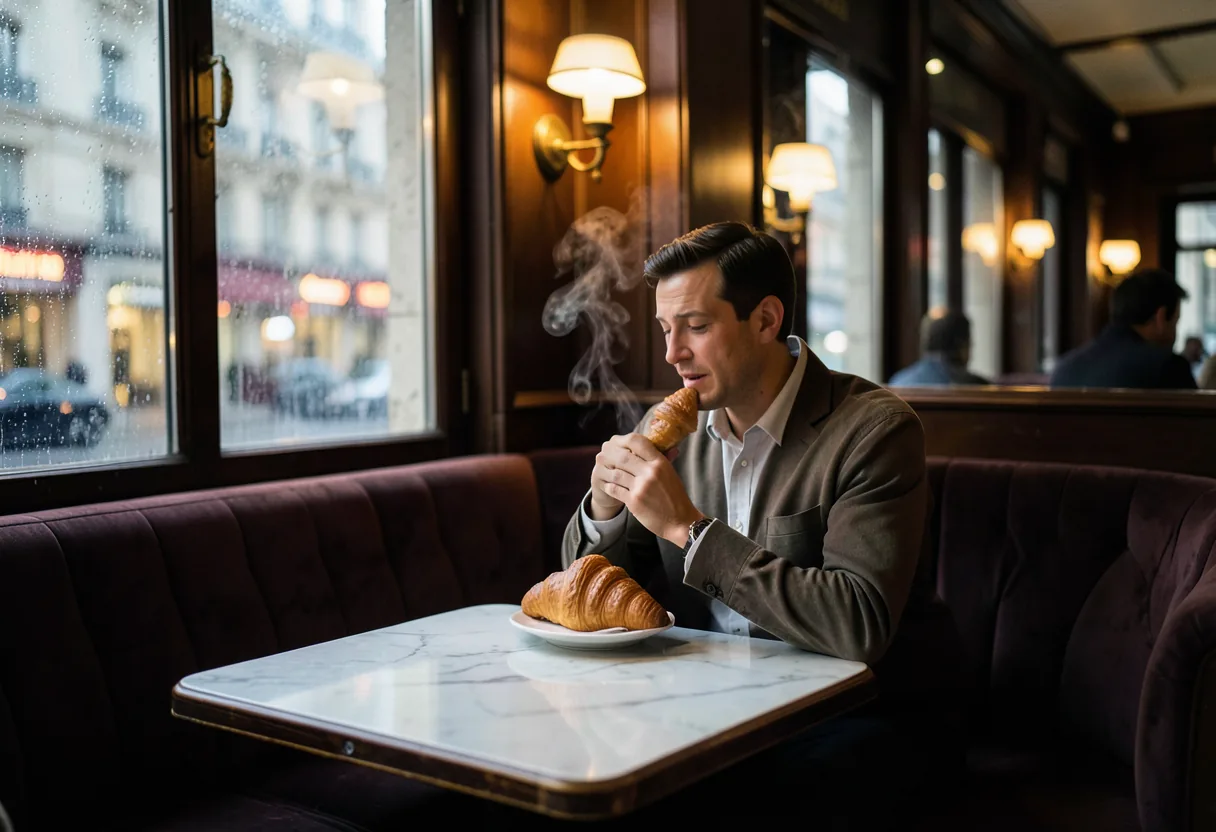
Brasseries are traditional French eateries that blend the informality of a pub with the culinary sophistication of a restaurant. They were originally connected to breweries, with “brasserie” stemming from the French word for “brewery.” Over time, they evolved into casual dining establishments that serve beer, wine, and a variety of classic French dishes. Unlike bistros, which tend to be smaller and more intimate, brasseries are typically larger and more lively, often featuring ornate decor and a bustling atmosphere.
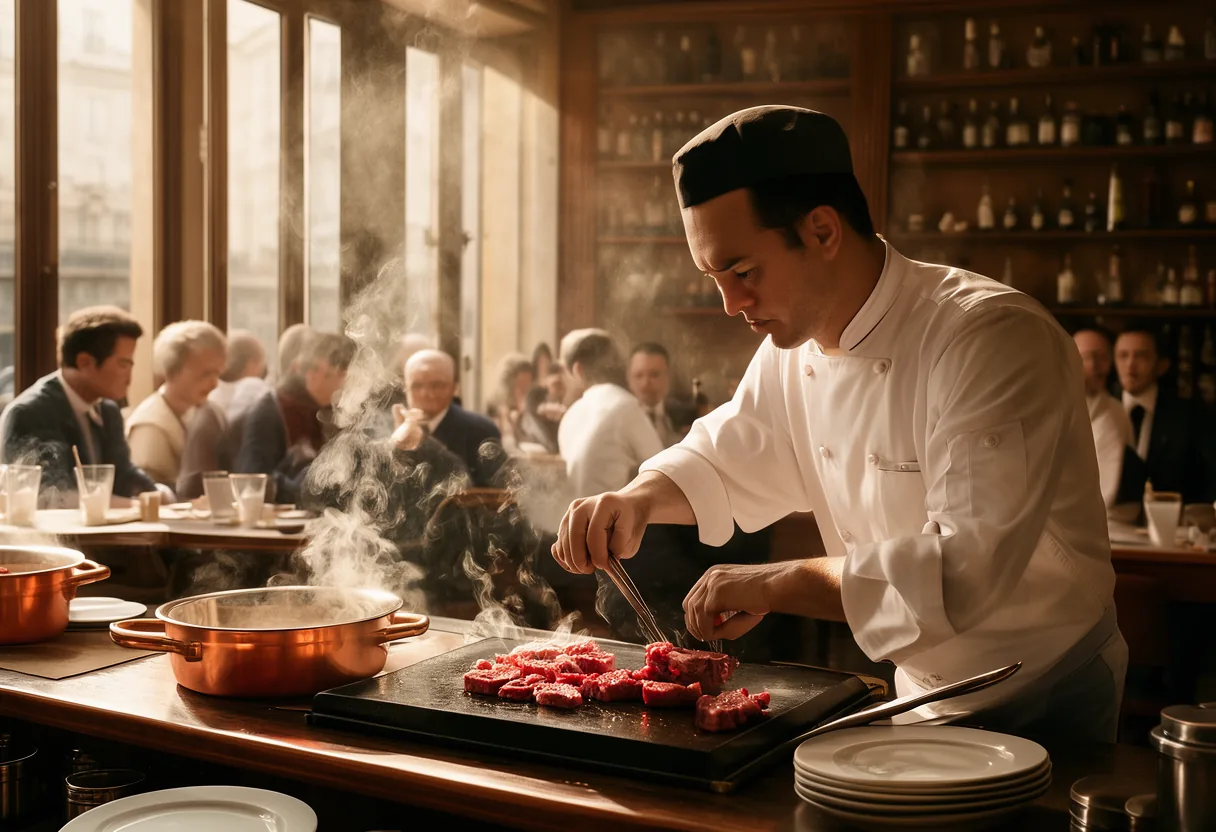
Brasseries are known for their open kitchens, where chefs prepare dishes in full view of diners, adding to the lively ambiance. The menu usually features a mix of traditional French dishes and regional specialties, with an emphasis on fresh, high-quality ingredients. Brasserie dining is often more affordable than fine dining, making it a popular choice for both locals and tourists. For those seeking a private dining experience, some brasseries offer reserved areas or private rooms, allowing groups to enjoy the brasserie atmosphere in a more intimate setting.
What makes brasserie dining unique?
Brasserie dining stands out for its casual yet elegant atmosphere, which combines the conviviality of a pub with the refined tastes of French cuisine. The open kitchen concept is a hallmark of brasserie dining, where chefs prepare dishes in front of customers, adding to the lively and interactive dining experience. This transparency in food preparation is a key aspect that sets brasseries apart from other types of restaurants. Additionally, brasseries are known for their extensive wine and beer selections, often featuring a wide range of French varietals and craft beers.
Another unique aspect of brasserie dining is the shared plate culture. Many dishes are designed to be shared among diners, encouraging a communal and social dining experience. This approach to dining fosters a sense of togetherness and is a departure from the more formal, individual plate service found in traditional restaurants. The decor of a brasserie also contributes to its unique charm, often featuring ornate tiles, brass fixtures, and vintage posters that create a nostalgic and inviting atmosphere.
Brasserie dining also offers a more relaxed dress code compared to formal restaurants. While some fine dining establishments may require guests to adhere to a strict dress code, brasseries are generally more casual, allowing diners to enjoy their meal without the pressure of formal attire. This relaxed atmosphere makes brasseries an ideal choice for a variety of occasions, from casual gatherings with friends to celebratory dinners with family.
What are the key differences between a brasserie and a bistro?
While the terms “brasserie” and “bistro” are often used interchangeably, there are key differences between the two. Brasseries originated as breweries that served food, while bistros emerged as small, informal eateries that catered to the working class. Brasseries are typically larger and more bustling, with an emphasis on beer and wine service, while bistros are smaller and more intimate, often focusing on simple, hearty dishes. The decor of a brasserie is usually more ornate and vintage-inspired, while bistros tend to have a more modern and minimalist aesthetic.
Another key difference lies in the menu offerings. Brasseries often feature a wider range of dishes, including both traditional French cuisine and regional specialties. Bistro menus, on the other hand, tend to be more limited and focused on classic, comfort-food dishes. Additionally, brasseries are known for their extensive wine and beer selections, while bistros may offer a more limited selection of beverages. For those seeking a private dining experience, brasseries are more likely to offer reserved areas or private rooms, while bistros typically cater to smaller groups and individual diners.
What are the most popular brasserie dishes to try?
Brasserie dining offers a wide range of classic French dishes that are sure to delight the palate. One of the most iconic brasserie dishes is steak frites, which features a perfectly cooked steak served with a side of crispy French fries. Another popular choice is French onion soup, a hearty and flavorful soup made with caramelized onions, beef broth, and melted cheese. Escargot, or snails cooked in garlic butter, is a traditional brasserie dish that offers a unique and delicious taste of French cuisine.
For those with a sweet tooth, brasseries offer a variety of classic French desserts. Crème brûlée, a rich and creamy custard topped with a layer of caramelized sugar, is a popular choice. Tarte Tatin, an upside-down apple tart with a caramelized topping, is another beloved French dessert that is often served in brasseries. Additionally, brasseries are known for their extensive wine and beer selections, with many establishments offering a wide range of French varietals and craft beers to complement their dishes.
Brasserie dining also caters to a variety of dietary preferences and restrictions. Many brasseries offer vegetarian and vegan options, as well as gluten-free dishes. From salads and vegetable-based entrees to seafood and meat dishes, brasseries provide a diverse menu that caters to all tastes and dietary needs. Whether you’re in the mood for a classic French dish or a modern twist on a traditional recipe, brasserie dining offers something for everyone.
Think of brasserie dining like attending a lively party where the host serves up classic French dishes and fine wines, creating a warm and inviting atmosphere that encourages guests to mingle and enjoy good food and company.
What are the benefits of private dining in a brasserie?
Private dining in a brasserie offers several benefits that make it an attractive option for various occasions. One of the primary advantages is the ability to enjoy the lively and convivial atmosphere of a brasserie in a more intimate setting. Private dining rooms or reserved areas allow groups to enjoy the vibrant ambiance while maintaining a sense of privacy and exclusivity. This makes brasserie private dining an ideal choice for celebrations, business meetings, or family gatherings.
Another benefit of private dining in a brasserie is the opportunity to customize the menu to suit the preferences and dietary needs of the group. Many brasseries offer catering services that allow guests to select from a range of dishes and create a personalized menu. This flexibility ensures that all guests can enjoy the dining experience, regardless of their dietary restrictions or preferences. Additionally, private dining in a brasserie often comes with dedicated service, ensuring that guests receive attentive and personalized attention throughout the meal.
Private dining in a brasserie also offers the advantage of a unique and memorable dining experience. The ornate decor, vintage-inspired ambiance, and lively atmosphere of a brasserie create a distinctive setting that is sure to impress guests. Whether you’re celebrating a special occasion or hosting a business event, private dining in a brasserie provides a memorable and enjoyable experience that is sure to leave a lasting impression.
How can you create a brasserie atmosphere at home?
Creating a brasserie atmosphere at home can be a fun and rewarding project that allows you to enjoy the charm and elegance of French dining in the comfort of your own space. To achieve this, start by focusing on the decor. Incorporate ornate tiles, brass fixtures, and vintage posters to create a nostalgic and inviting atmosphere. You can also add touches of greenery, such as potted plants or fresh flowers, to bring a sense of freshness and vitality to the space.
In addition to decor, lighting plays a crucial role in creating a brasserie atmosphere. Opt for warm, ambient lighting that creates a cozy and inviting ambiance. Candles, string lights, and dimmable lamps are all great options for achieving this effect. You can also incorporate vintage-inspired light fixtures, such as chandeliers or wall sconces, to add a touch of elegance and sophistication to the space.
Finally, don’t forget the importance of music in setting the mood. Create a playlist of classic French tunes or jazz music to transport your guests to a traditional French brasserie. You can also incorporate the sounds of a bustling brasserie by playing recordings of background chatter and clinking glasses. By paying attention to these details, you can create a brasserie atmosphere at home that is both authentic and enjoyable.
- Incorporate ornate tiles, brass fixtures, and vintage posters for decor.
- Opt for warm, ambient lighting using candles, string lights, and dimmable lamps.
- Create a playlist of classic French tunes or jazz music.
- Pay attention to details, such as incorporating the sounds of a bustling brasserie.
For those interested in exploring the history of French brasseries, check out our article on the History of French Brasseries. To learn more about the differences between brasseries and bistros, visit our guide on Brasserie vs Bistro: What's the Difference?. If you’re looking to try some of the top brasserie dishes, our list of Top Brasserie Dishes to Try is a great resource. For tips on brasserie etiquette and customs, be sure to read our article on Brasserie Etiquette and Customs. And if you’re planning a trip to Paris, our guide to the Best Brasseries in Paris is a must-read. Finally, if you’re interested in creating a brasserie atmosphere at home, our article on How to Create a Brasserie Atmosphere at Home offers some great tips and ideas.
When planning your next dining experience, consider the unique benefits of brasserie dining. Whether you’re looking for a lively and convivial atmosphere, a wide range of classic French dishes, or a memorable private dining experience, brasseries offer something for everyone. So why not gather some friends or family and head to your local brasserie for a taste of French cuisine and culture?
Frequently asked questions
What defines brasserie dining?
Brasserie dining originates from France and is characterized by casual, lively atmospheres. Menus feature classic French dishes like steak frites, onion soup, and croque monsieur. Brasseries are known for their extensive wine lists and affordable prices. They often serve food throughout the day, making them versatile dining spots.
How is a brasserie different from a bistro?
While both serve French cuisine, brasseries are typically larger and more bustling, with a focus on quick, affordable meals. Bistros are smaller, often family-owned, and offer a more intimate setting with a focus on traditional French cooking methods. Brasseries also tend to have a wider selection of beers and wines.
What are some popular brasserie dishes?
Popular dishes include steak haché (French-style hamburger steak), choucroute garnie (sauerkraut with sausages and pork), and moules-frites (mussels with fries). Salads like salade niçoise and desserts like crème brûlée are also common. These dishes are designed to be hearty and satisfying.
Can you find authentic brasseries outside of France?
Yes, authentic brasseries exist in many cities worldwide, particularly in Europe and North America. For example, Brasserie Lipp in Paris is famous, but cities like New York and London also have notable brasseries. These establishments often replicate the Parisian brasserie experience with similar menus and ambiance.