
Editorial Team · on 13 June 2026 · 8 min read · Last reviewed 13 June 2026
Brasserie dining combines lively atmosphere, classic French cuisine, and a signature musical backdrop to create an immersive social experience.
Key facts
- Brasserie music traditionally includes classic French chansons and modern jazz.
- Volume levels are moderate, fostering conversation without overwhelming diners.
- Ambiance is characterised by rustic decor, mirrored walls, and classic brass fixtures.
- Brasseries often feature live music, particularly on weekends or during special events.
- Parisian brasseries typically have a faster pace and more ornate decor compared to provincial counterparts.
What kind of music defines a brasserie?
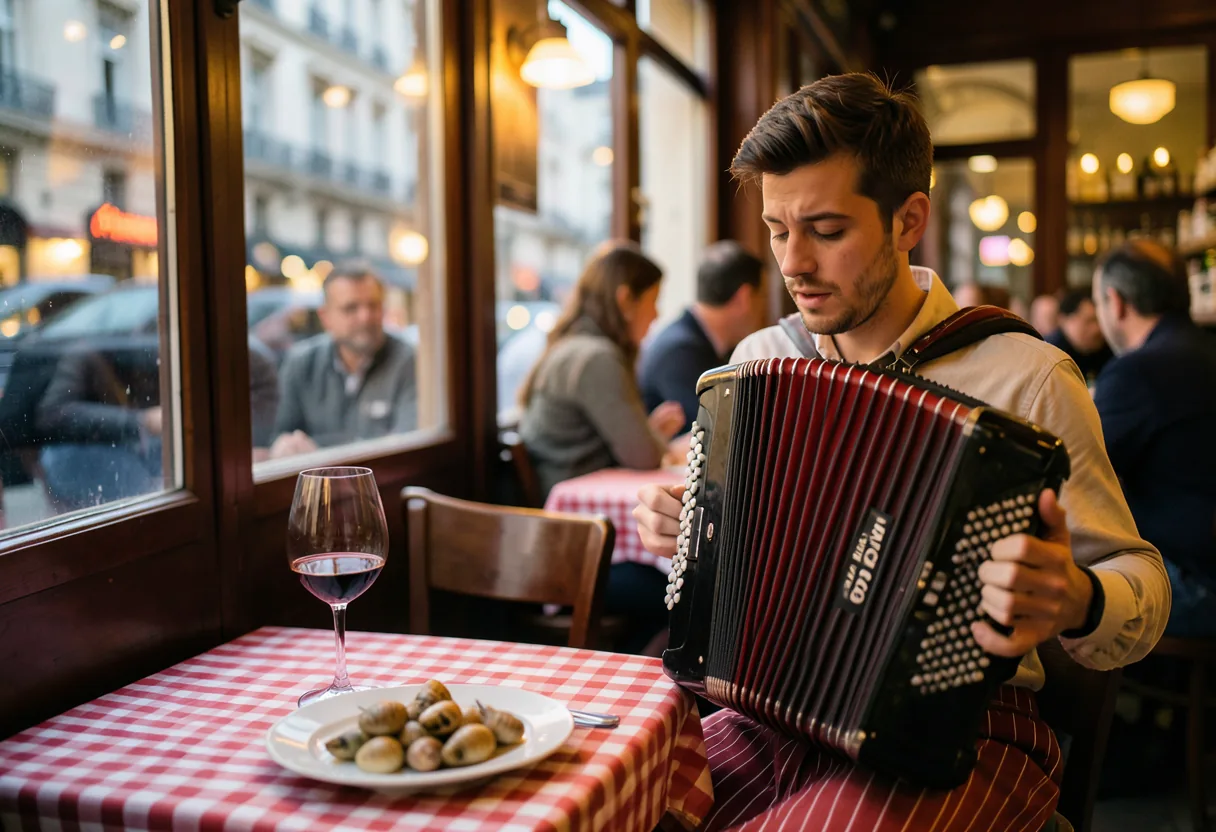
Brasserie music is typically upbeat yet unobtrusive, designed to enhance the dining experience without dominating conversations. Classic French chansons by artists like Edith Piaf and Charles Aznavour are staples, along with modern jazz and accordion-driven melodies. These genres reflect France’s musical heritage and create a nostalgic, lively atmosphere.
In many brasseries, particularly in Paris, live music is a key feature. Musicians often perform traditional French tunes or jazz standards, adding an authentic touch. The music selection can vary by region—some brasseries in southern France might incorporate Provençal folk music, while others in Paris lean towards classic French pop. The goal is to maintain a balance between entertainment and ambience, ensuring the music complements rather than competes with the dining experience.
For those interested in the cultural significance of brasserie music, exploring the history of French chansons and their role in French society can provide deeper insight. The evolution of these musical styles mirrors the social changes in France over the decades, making them an integral part of the brasserie experience.
How does a brasserie create its signature ambiance?
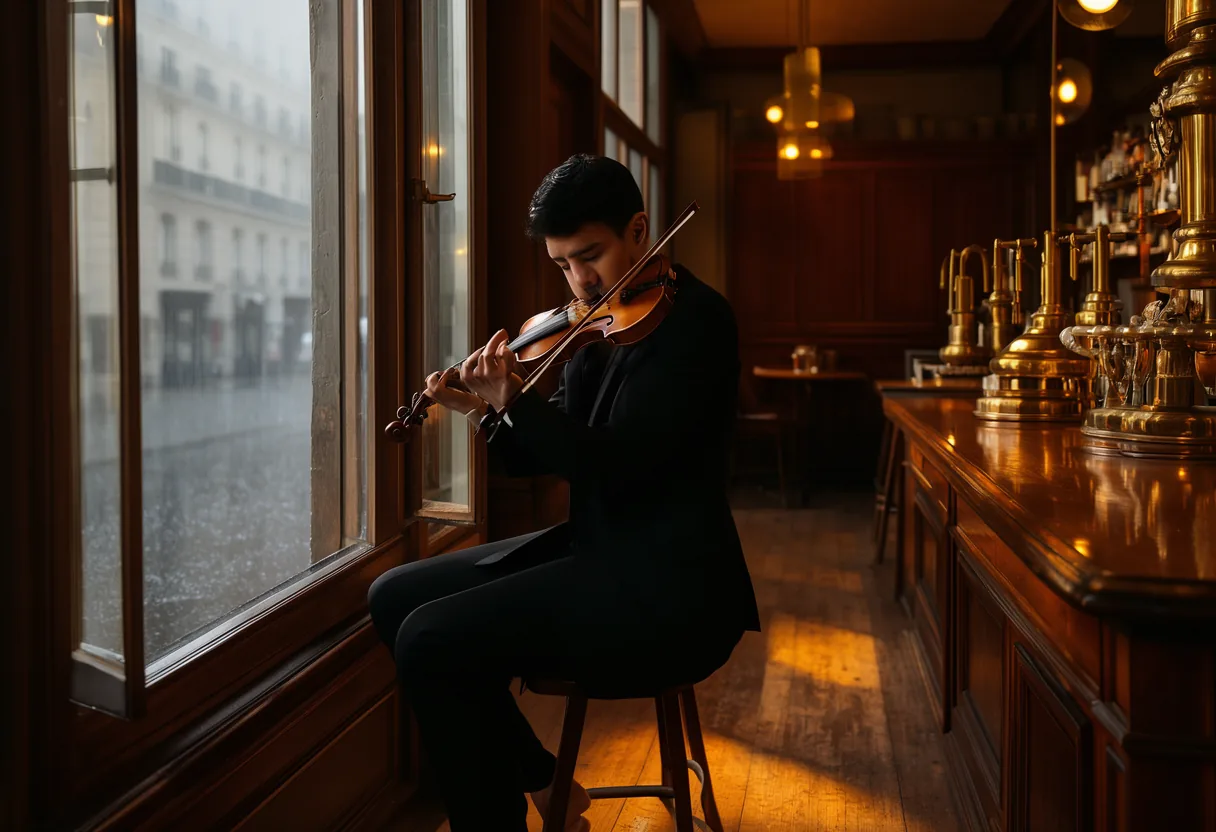
The ambiance of a brasserie is a carefully crafted blend of decor, lighting, and sound. Traditional brasseries feature ornate brass fixtures, mirrored walls, and classic French furniture, often with red or checkered tablecloths. The lighting is typically warm and soft, with chandeliers or vintage lamps creating an inviting glow. This combination of elements evokes a sense of timeless elegance and warmth, making diners feel at home while enjoying a taste of French culture.
Sound plays a crucial role in shaping the brasserie experience. The volume is usually moderate, allowing for easy conversation without being too loud. Live music, when present, is carefully curated to match the pace of the restaurant—softer tunes during dinner service and more upbeat numbers during peak hours. The acoustics are also considered, with materials like wood and fabric used to absorb excess noise and create a pleasant atmosphere.
For a deeper understanding of how decor influences dining experiences, consider reading about the principles of interior design and their impact on customer behaviour. The strategic use of colours, textures, and lighting can significantly enhance the overall dining experience.
How do brasseries use music to enhance the dining experience?
Music in brasseries serves multiple purposes, from setting the mood to reflecting the establishment’s identity. A well-chosen playlist can create a sense of nostalgia, transporting diners to the bustling cafes of 19th-century Paris. It can also influence the pace of service, with slower tunes encouraging lingering over meals and faster rhythms energizing the space during busy periods.
Brasseries often use music to signal different times of day. In the morning, lighter, instrumental music might play to complement breakfast service, while afternoon and evening selections shift to more vibrant tunes. Live performances, whether by solo musicians or small bands, add an element of excitement and authenticity, making the dining experience feel more personal and engaging.
To learn more about the psychological effects of music on dining experiences, explore studies on how different genres and tempos can influence mood and behaviour. Understanding these principles can help brasseries fine-tune their music selection to create the desired atmosphere.
What are the differences in music and ambiance between Parisian and provincial brasseries?
Parisian brasseries are known for their fast-paced, energetic atmosphere, with music that reflects the city’s vibrant culture. Classic French chansons and modern jazz are common, often played at a higher volume to match the lively pace of the capital. The decor in Parisian brasseries tends to be more ornate, with mirrored walls, brass fixtures, and classic French furniture creating a sense of grandeur.
In contrast, provincial brasseries often have a more relaxed, traditional feel. The music is typically softer, with an emphasis on regional folk tunes or classic French ballads. The decor is more rustic, with wooden tables, checkered tablecloths, and simpler lighting fixtures. These brasseries often focus on providing a cosy, hometown atmosphere where diners can enjoy a slower, more intimate dining experience.
How do brasseries balance music and conversation?
Brasseries achieve a delicate balance between music and conversation by carefully controlling volume levels and music selection. The goal is to create an engaging atmosphere without making it difficult for diners to talk. This is often done by using a mix of instrumental and vocal tracks, with the vocals providing a pleasant backdrop rather than dominating the space.
Acoustics also play a crucial role. Brasseries often use materials like wood, fabric, and carpeting to absorb excess noise and reduce echo. This helps to create a more intimate setting where conversations can flow naturally. Additionally, live musicians are often positioned in areas that allow their performance to blend seamlessly with the overall ambiance, rather than overpowering it.
Think of brasserie music like a gentle rain—it sets the mood without drowning out the conversation. The right mix of tunes and volume creates a comfortable space where you can enjoy both the food and the company.
How can brasseries adjust their music for different times of day?
- Morning: Light instrumental music, such as classical or soft jazz, to complement breakfast service and create a calm atmosphere.
- Afternoon: A mix of classic French chansons and modern jazz, played at a moderate volume to encourage relaxed dining and conversation.
- Evening: More upbeat tunes, including live performances, to match the lively energy of dinner service and attract a wider audience.
- Late Night: Softer music, such as ballads or acoustic versions of popular songs, to create an intimate setting for late-night diners.
Why is live music important in brasseries?
Live music adds a unique, dynamic element to the brasserie experience. It creates a sense of authenticity and excitement, making the dining environment feel more personal and engaging. Live performances can also attract a wider audience, particularly during special events or themed nights. The interaction between musicians and diners adds to the overall ambiance, making the experience more memorable.
Moreover, live music can help brasseries stand out in a competitive market. By offering regular live performances, brasseries can build a loyal customer base and create a distinct identity. This can be particularly effective in tourist-heavy areas, where visitors seek out authentic cultural experiences. Live music also provides an opportunity for brasseries to showcase local talent, further enhancing their connection to the community.
For those interested in the business aspects of live music in restaurants, exploring case studies on how live performances can boost customer engagement and revenue can be insightful. Understanding the economic benefits can help brasseries make informed decisions about incorporating live music into their offerings.
How can diners choose the best brasserie for their preferences?
When selecting a brasserie, diners should consider their preferences for music, ambiance, and cuisine. Those who enjoy a lively atmosphere with upbeat music might prefer Parisian brasseries, while others seeking a more relaxed, traditional experience might opt for provincial brasseries. Paying attention to the decor and lighting can also help diners find a brasserie that suits their taste.
Additionally, checking reviews and asking for recommendations can provide valuable insights into the quality of the music and overall dining experience. Diners should also consider the brasserie’s location and whether it offers live music on specific nights. By taking these factors into account, diners can ensure they choose a brasserie that meets their expectations and enhances their enjoyment.
For a comprehensive guide on selecting the best dining experiences, consider reading about the key factors to consider when choosing a restaurant. Understanding these elements can help diners make informed decisions and find establishments that align with their preferences.
To maximise the brasserie experience, pay attention to the music and ambiance. Choose a brasserie that offers a mix of classic French tunes and modern jazz, with a volume level that allows for easy conversation. Look for establishments with rustic decor and warm lighting, which create an inviting atmosphere. Whether you’re in Paris or the countryside, the right blend of music and ambiance can elevate your dining experience, making it truly memorable.
Frequently asked questions
What defines a brasserie's music and ambiance?
A classic brasserie offers lively, upbeat music like French chansons, jazz, or accordion tunes. The ambiance is warm and inviting, with wooden furniture, mirrors, and a bustling yet relaxed atmosphere. Think Parisian café vibes with a touch of elegance. The goal is to create a space where patrons feel comfortable lingering over food and drinks.
How does music influence the dining experience in a brasserie?
Music sets the tone for the dining experience. In a brasserie, it should be loud enough to create energy but not so loud that conversation is difficult. Upbeat music encourages a lively atmosphere, while softer tunes can create a more intimate setting. The right playlist enhances the overall ambiance and complements the food and service.
What are some popular music choices for a brasserie?
Popular choices include French classics by Édith Piaf or Yves Montand, jazz standards, and modern French pop. Accordion music is also common, evoking traditional French bistro vibes. The key is to select songs that are recognizable and enjoyable without being overpowering. Live music can add a special touch, especially on weekends.
How can a brasserie balance music and conversation?
To balance music and conversation, keep the volume at a moderate level. During peak hours, opt for lively tunes to match the energy. In the evenings, lower the volume to create a more relaxed atmosphere. Consider using a sound system that allows for easy volume adjustments. The aim is to enhance the experience without making it difficult for patrons to talk.