
Editorial Team · on 13 June 2026 · 6 min read · Last reviewed 13 June 2026
A French brasserie is a casual, lively dining establishment serving traditional French cuisine, often with a focus on classic dishes like steak frites, escargots, and onion soup.
Key facts
- Tipping in French brasseries is not mandatory but appreciated for good service.
- The standard tipping amount ranges from 5% to 10% of the bill.
- Round up the bill or leave the change as a common tipping practice.
- Tipping culture varies slightly between France and UK-based brasseries.
How much should you tip in a brasserie?
In France, tipping is less formalised than in the UK or the US. While service charge is not typically added to the bill, it is customary to leave a small tip for good service. A common practice is to round up the bill or leave the loose change. For example, if your bill is €38, you might leave €40 or €42. This gesture is usually enough to show your appreciation for the service.
In UK-based brasseries, tipping etiquette is more aligned with general British dining customs. A tip of 5% to 10% is considered polite and appropriate. For instance, if your bill is £45, a £5 to £10 tip would be suitable. Some establishments may include an optional service charge, typically around 12.5%, which you can choose to leave or adjust based on the level of service. Always check the bill to see if a service charge has already been added.
When is tipping expected?
Tipping is expected when the service is good or excellent. It is a way to show your appreciation for the efforts of the staff. In French brasseries, tipping is more discretionary and often seen as a gesture of goodwill. You might tip the waiter, the sommelier, and even the chef if you have direct interaction with them. For instance, if the sommelier helped you choose a wine that perfectly complemented your meal, a small tip would be appropriate.
In UK brasseries, tipping is more structured and often expected. It is customary to tip the waiter who served you, and if you had exceptional service from other staff members, you might tip them as well. For example, if the maître d’ helped you secure a table on short notice, a tip would be appreciated. However, tipping is not expected for subpar service. If you feel the service was inadequate, you are not obligated to leave a tip.
How to tip in a brasserie?
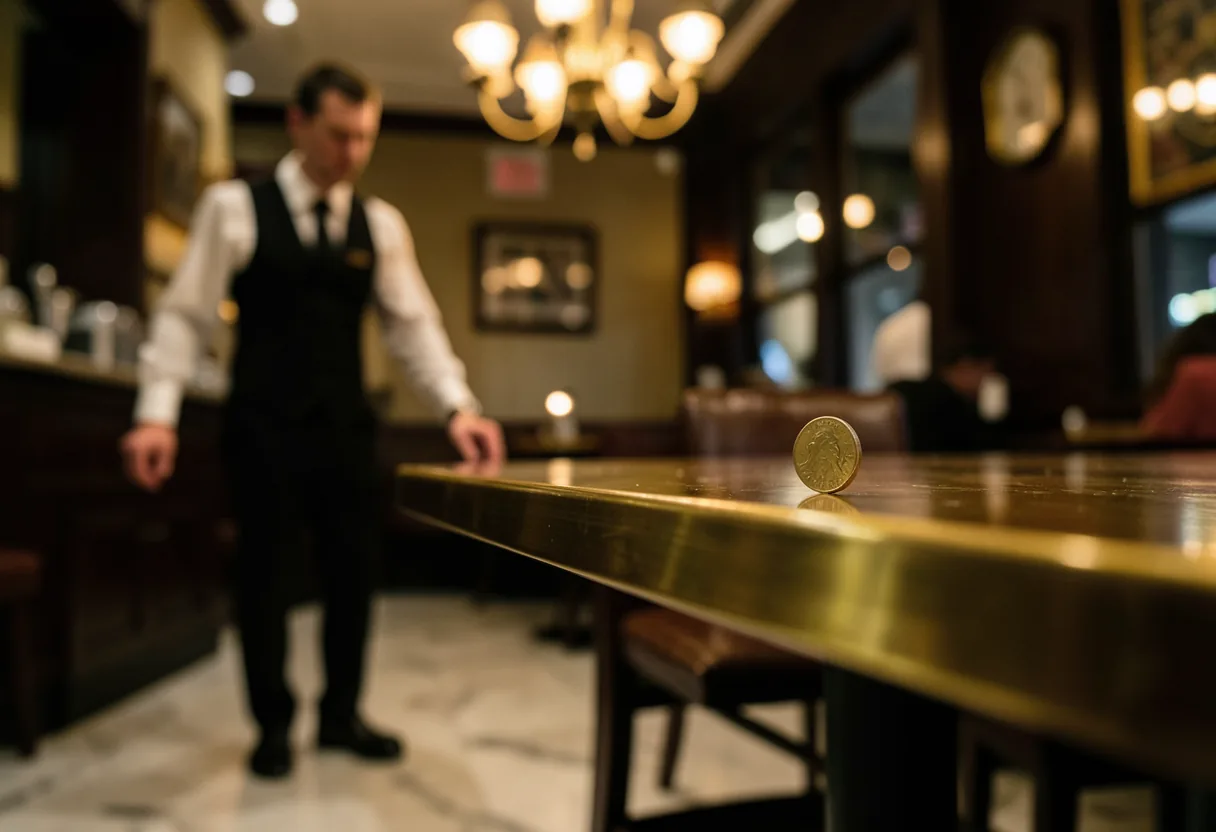
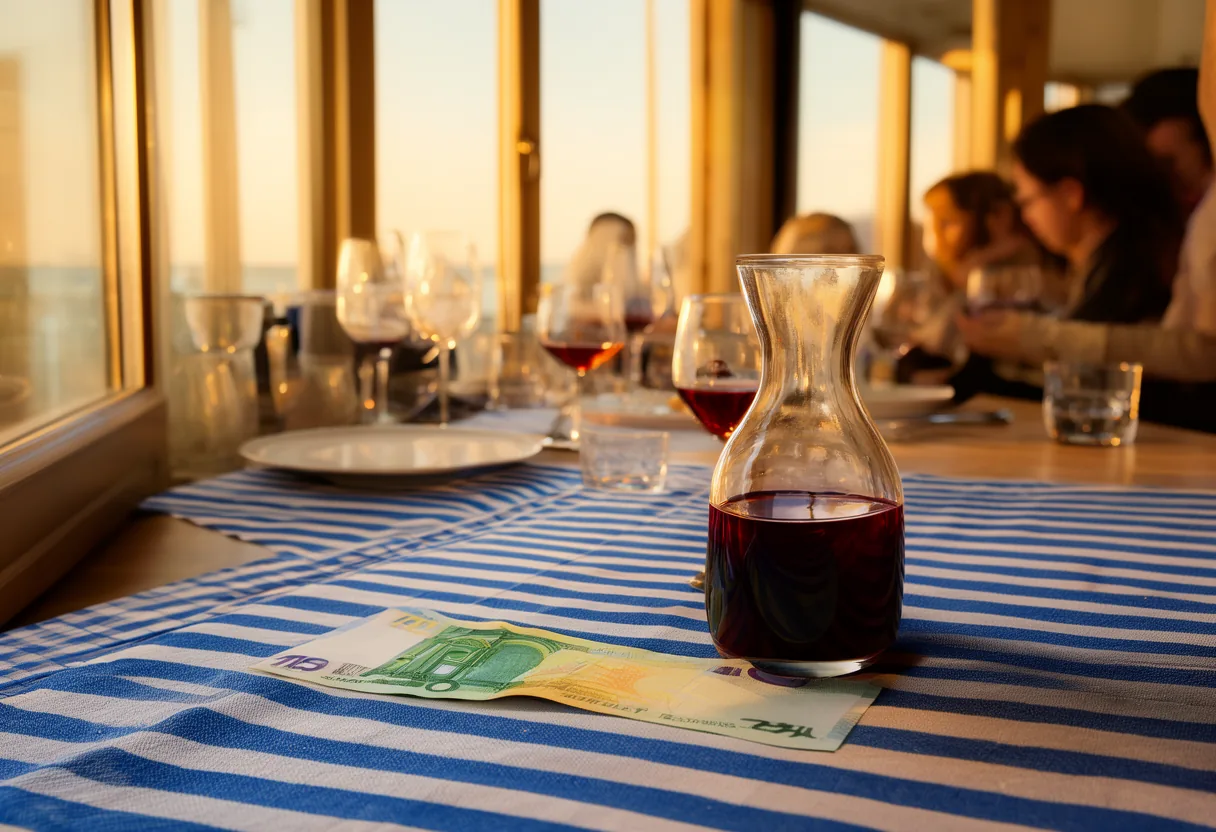
In France, tipping is usually done in cash and left on the table or handed directly to the waiter. It is not common to add the tip to the credit card payment. For example, if you pay your bill in cash, you might leave the tip on the table when you leave. If you pay by credit card, you can ask the waiter to bring the change and then leave the tip in cash.
In UK brasseries, you can tip in cash or add the tip to your credit card payment. Many establishments offer the option to add a service charge to your card payment, making it convenient and discreet. For instance, when paying by card, you might see an option on the card machine to add a 10% service charge. Alternatively, you can leave cash on the table or hand it directly to the waiter.
Is tipping mandatory in a brasserie?
No, tipping is not mandatory in a brasserie. It is a gesture of appreciation for good service. In France, tipping is more discretionary and often seen as a way to show your gratitude for excellent service. You are not obligated to tip if you feel the service was inadequate. Similarly, in UK brasseries, tipping is not mandatory, but it is customary to tip for good service. Always remember that tipping is at your discretion and should be based on the quality of service you received.
Think of tipping in a brasserie like leaving a small gift for a friend who did you a favour. It’s not expected, but it’s a nice way to say thank you for a job well done.
Tipping Etiquette for Different Services
When dining at a brasserie, you might encounter various service staff who contribute to your dining experience. Understanding how to tip each of them appropriately can enhance your overall experience. Here is a list of common service staff and how to tip them:
- Waiter/Waitress: This is the person who takes your order, serves your food, and ensures your dining experience is smooth. Tip them based on the quality of service they provided.
- Sommelier: If you had help selecting a wine, a small tip for the sommelier is appropriate. This is especially true if they guided you through the wine list and recommended a bottle that you enjoyed.
- Maître d’: The maître d’ is responsible for managing the dining room and ensuring that guests are seated promptly. If they go out of their way to accommodate you, a tip would be appreciated.
- Bartender: If you enjoy drinks at the bar before or after your meal, a small tip for the bartender is customary. This is especially true if they made you a special cocktail or provided excellent service.
Tipping in Different Situations
Tipping etiquette can vary depending on the situation. Whether you are dining alone, with a group, or celebrating a special occasion, understanding how to tip appropriately can enhance your dining experience. Here are some common situations and how to handle tipping:
When dining alone, you can tip the waiter directly. For example, if you are paying in cash, you might leave the tip on the table when you leave. If you are paying by card, you can add the tip to the card payment. When dining with a group, it is common to split the tip among the members of the group. For example, if the total bill is £100 and you want to tip 10%, each person in a group of four would contribute £2.50 to the tip. When celebrating a special occasion, such as a birthday or anniversary, you might want to tip a bit more to show your appreciation for the excellent service. For instance, if the service was exceptional, you might tip 15% instead of the usual 10%.
Understanding brasserie tipping etiquette can enhance your dining experience and show your appreciation for the service you received. Whether you are dining in France or at a UK-based brasserie, knowing how much to tip and when to tip can make your meal more enjoyable. Always remember that tipping is at your discretion and should be based on the quality of service you received. For more tips on dining at a French brasserie, check out our guide on Tips for Dining at a French Brasserie and learn how to order like a pro with How to Order at a Brasserie.
Frequently asked questions
How much should I tip at a brasserie?
Tipping at a brasserie typically ranges from 10% to 15% of the bill. This is standard in many countries, including the U.S. and France. For exceptional service, you might consider tipping up to 20%. Always check if a service charge is included in the bill before adding a tip.
When is the best time to tip at a brasserie?
The best time to tip is when you pay the bill. If paying with cash, you can leave the tip on the table or hand it directly to the server. For credit card payments, add the tip to the bill or include it in the chip-and-PIN process. Never leave the tip at the start of the meal.
Should I tip the bartender at a brasserie?
Yes, tipping the bartender is customary. A common practice is to leave $1 to $2 per drink or a small amount at the end of your stay. If the bartender provides excellent service or makes recommendations, a higher tip is appropriate. This is especially true in places where bar staff are not included in the main tipping pool.
What if the service at a brasserie was poor?
If the service was poor, you can choose to tip less or not at all. However, consider speaking with the manager first to address the issue. Sometimes, poor service can be resolved immediately. If not, a reduced tip or no tip may be justified. Always be polite and specific about your concerns.