
Editorial Team · on 13 June 2026 · 9 min read · Last reviewed 13 June 2026
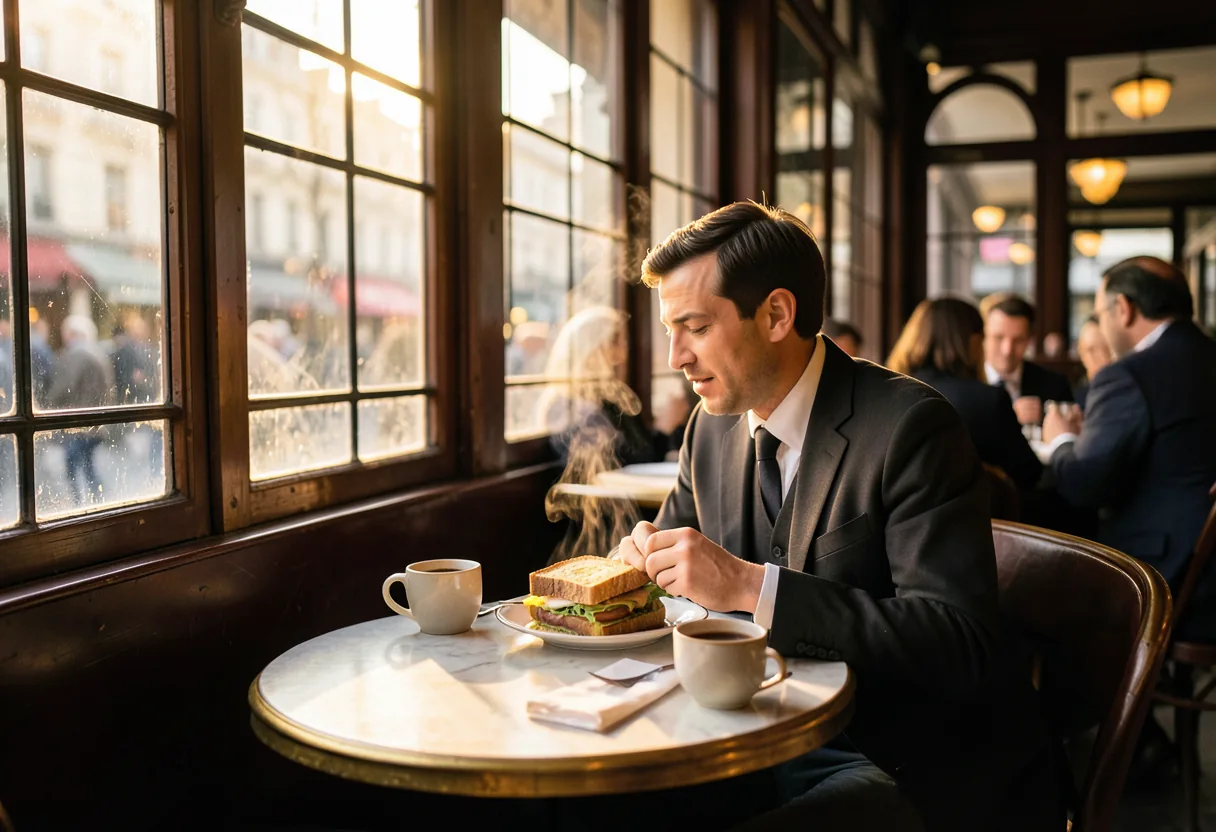
A brasserie is a type of French restaurant that combines casual dining with a distinctive cultural ambiance, originating from 19th-century Paris as working-class beer halls before evolving into iconic social hubs.
Key facts
- Brasseries were originally breweries with adjacent restaurants, serving simple, hearty meals
- They typically operate all day with a menu that changes only slightly throughout the year
- Over 1,000 brasseries exist in Paris alone, each with its own unique character
- Their interiors often feature Art Nouveau glasswork, zinc bar counters, and mirrored walls
What distinguishes a brasserie from other French restaurants?
Brasseries differ from bistros and cafés primarily in their size, menu complexity, and service speed. While bistros offer a more intimate setting with a chef’s daily specials, brasseries provide a larger, bustling environment with a vast menu featuring classic French dishes like steak-frites and escargots. Unlike cafés, which focus on coffee and light meals, brasseries serve full meals, including wine and beer, throughout the day.
A key feature of brasseries is their open kitchen, visible to diners, which adds to the lively atmosphere. This transparency in food preparation is a hallmark of brasserie culture, ensuring freshness and quality. Additionally, brasseries often have a longer operating hours compared to traditional restaurants, catering to both lunch and dinner crowds, and sometimes even late-night patrons.
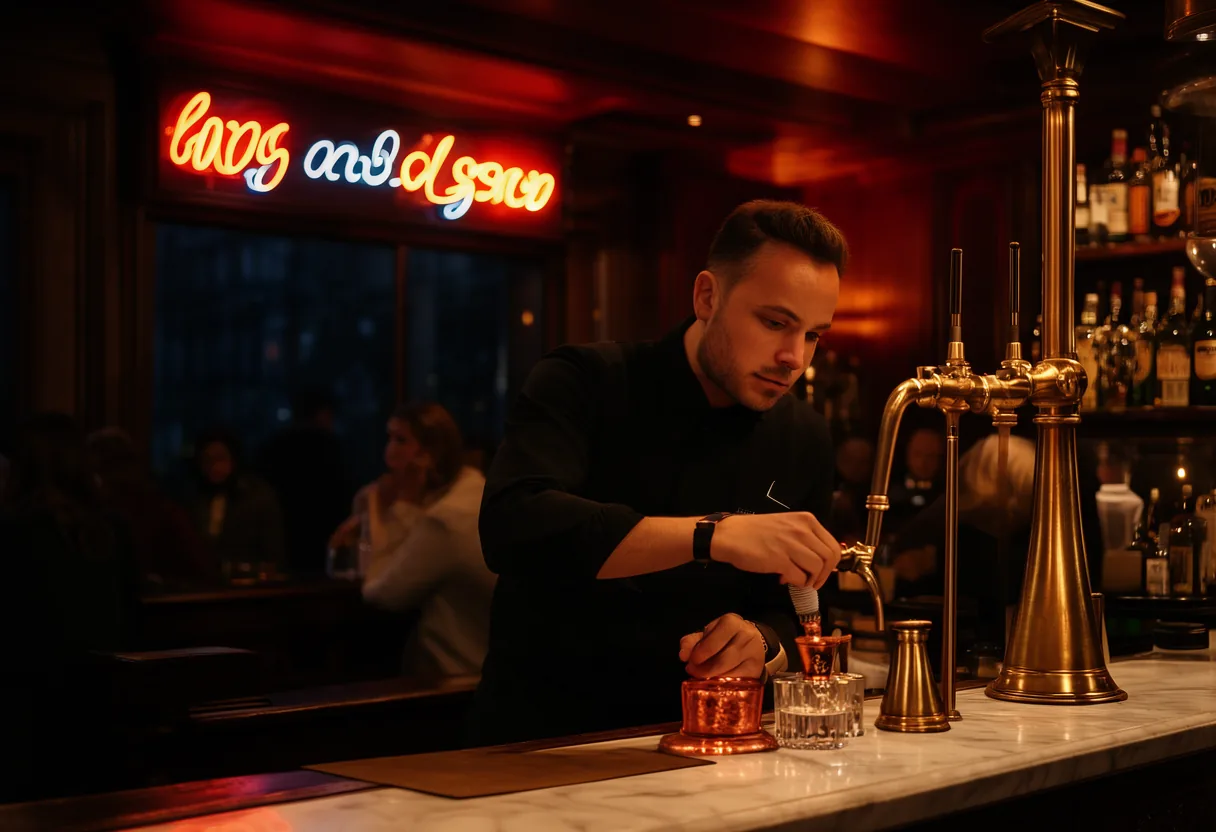
Brasseries also stand out due to their extensive beverage menus, which often include a wide selection of beers, wines, and cocktails. This contrasts with bistros, which typically focus on wine pairings, and cafés, which emphasize coffee and soft drinks. The diverse drink options in brasseries cater to a wide range of preferences, enhancing the overall dining experience.
The architectural design of brasseries also sets them apart. Many feature ornate interiors with high ceilings, large mirrors, and decorative tiles, creating a grand yet welcoming atmosphere. This is in contrast to the smaller, more modest settings of bistros and the minimalist decor of many cafés. The spacious layout of brasseries allows for a dynamic environment where groups of friends, families, and business associates can gather comfortably.
How has the role of brasseries in French society evolved over time?
Originally, brasseries catered to the working class, serving affordable meals and local beers. Over time, they became popular among artists, writers, and intellectuals, evolving into cultural hubs. Today, brasseries play a crucial role in French society, serving as gathering places for both locals and tourists. They are where people celebrate birthdays, conduct business meetings, and enjoy casual dates.
The evolution of brasseries reflects broader societal changes. In the 19th century, they were places where workers could enjoy a hearty meal after a long day. Today, they are symbols of French culinary tradition and social life. For more on this topic, see The Role of Brasseries in French Society.
During the early 20th century, brasseries became gathering spots for political discussions and intellectual debates. Famous figures like Ernest Hemingway and Simone de Beauvoir frequented these establishments, contributing to their legendary status. This historical significance adds a layer of cultural richness to the modern brasserie experience.
In recent decades, brasseries have adapted to changing culinary trends while maintaining their traditional roots. Many have expanded their menus to include modern interpretations of classic dishes, catering to a more diverse clientele. This balance between tradition and innovation has helped brasseries remain relevant in contemporary French society.
What is the significance of music and ambiance in brasserie dining?
Music and ambiance are integral to the brasserie experience, creating an inviting atmosphere that enhances the dining experience. Traditional French music, such as accordion tunes and jazz, is often played softly in the background. This music complements the lively chatter and clinking of glasses, contributing to the overall ambiance.
The decor of a brasserie is equally important, with many establishments featuring classic elements like mirrored walls, marble-topped tables, and ornate light fixtures. These design choices create a sense of nostalgia and continuity with the past. For a deeper dive into this subject, visit Brasserie Music and Ambiance.
The background music in a brasserie is carefully curated to be unobtrusive yet engaging. It sets the tone for the dining experience, whether it’s a relaxed lunch or a vibrant dinner. The volume is typically kept low enough to allow for conversation, ensuring that diners can enjoy their meals without feeling overwhelmed by the music.
The lighting in a brasserie also plays a crucial role in creating the right ambiance. Soft, warm lighting from chandeliers or wall sconces adds to the cozy and inviting atmosphere. This careful attention to detail in both music and lighting helps to create a memorable dining experience that is uniquely brasserie.
Who are some famous French brasserie chefs and what have they contributed?
Several renowned chefs have made significant contributions to brasserie cuisine. Chefs like Alain Senderens and Paul Bocuse have elevated brasserie dining by introducing innovative dishes while maintaining traditional flavors. Their influence has helped brasseries gain international recognition and popularity.
These chefs have also played a role in training the next generation of culinary talent. Many aspiring chefs start their careers in brasseries, learning the fundamentals of French cuisine. For more information on famous brasserie chefs, see Famous French Brasserie Chefs.
Alain Senderens, for instance, revolutionized brasserie cuisine by incorporating modern techniques and ingredients into classic dishes. His work at Brasserie Lipp has set a high standard for brasserie dining, inspiring many other chefs to innovate within the traditional framework. Paul Bocuse, known as the “pope of French cuisine,” popularized Lyon-style dishes in brasseries, bringing regional flavors to a wider audience.
Other notable chefs include Jacques Maximin, who has contributed to the development of brasserie menus by focusing on fresh, seasonal ingredients. His approach has influenced many modern brasseries to adopt a farm-to-table philosophy, emphasizing the quality and sourcing of their ingredients. These chefs have collectively shaped the evolution of brasserie cuisine, making it a beloved and enduring part of French culinary culture.
How important are wine pairings in brasserie dining?
Wine pairings are a crucial aspect of the brasserie dining experience. Brasseries typically offer an extensive selection of wines, including both local and regional varieties. The right wine can enhance the flavors of classic brasserie dishes, creating a harmonious balance.
Many brasseries employ sommeliers who are knowledgeable about wine pairings and can guide diners in selecting the perfect wine for their meal. This expertise adds to the overall dining experience, making it more enjoyable and memorable. For more details on brasserie wine pairings, visit Brasserie Wine Pairings.
The wine list in a brasserie often features a wide range of options, from affordable everyday wines to premium vintages. This variety ensures that there is something for every budget and preference. The sommelier’s role is to help diners navigate this selection, providing recommendations that complement the chosen dishes.
Brasseries also frequently offer wine tastings and special events focused on wine education. These events provide an opportunity for diners to learn about different wine regions, grape varieties, and tasting techniques. This educational aspect adds depth to the dining experience, making it not just a meal but a learning opportunity as well.
What are the key elements of brasserie decor and design?
Brasserie decor and design play a significant role in creating the unique ambiance that defines these establishments. Traditional brasseries often feature classic elements like mirrored walls, marble-topped tables, and ornate light fixtures. These design choices contribute to a sense of nostalgia and continuity with the past.
The layout of a brasserie is also important, with many establishments featuring an open kitchen that is visible to diners. This transparency in food preparation adds to the lively atmosphere and ensures the freshness and quality of the dishes. For more information on brasserie decor and design, see Brasserie Decor and Design.
The use of Art Nouveau elements in brasserie decor is another distinguishing feature. Many brasseries feature intricate glasswork, decorative tiles, and wrought iron details that reflect this artistic movement. These elements add a touch of elegance and historical charm to the dining space, creating a visually appealing environment.
The furniture in a brasserie is typically sturdy and functional, designed to withstand the constant use of a busy dining environment. Marble-topped tables and wooden chairs are common, providing a classic and timeless look. The seating arrangement is often designed to accommodate groups of various sizes, ensuring that the brasserie can cater to both large parties and smaller gatherings.
What role do festivals and events play in brasserie culture?
Festivals and events are an integral part of brasserie culture, bringing together locals and visitors to celebrate French cuisine and tradition. Many brasseries host special events throughout the year, such as wine tastings, live music performances, and themed dinners. These events provide an opportunity for diners to experience the rich cultural heritage of brasseries.
Brasseries also participate in larger festivals and events, such as the Paris Brasserie Week, which showcases the best of brasserie dining. These events highlight the diversity and innovation of brasserie cuisine, attracting food enthusiasts from around the world. For more information on brasserie festivals and events, visit Brasserie Festivals and Events.
During the holiday season, many brasseries offer special menus and decorations, creating a festive atmosphere for diners. These seasonal events often feature traditional French holiday dishes and decorations, providing a unique cultural experience. The festive atmosphere adds to the overall enjoyment of the dining experience, making it a memorable event for both locals and tourists.
Brasseries also host culinary competitions and workshops, providing a platform for both amateur and professional chefs to showcase their skills. These events not only entertain diners but also contribute to the ongoing evolution of brasserie cuisine. By participating in these events, brasseries continue to innovate and stay relevant in the ever-changing culinary landscape.
Think of a brasserie like a lively stage where classic French dishes are the main act, and the decor, music, and wine pairings are the supporting cast. Each element plays a crucial role in creating a memorable dining experience that is uniquely French.
- Start with classic dishes like steak-frites or escargots
- Pair your meal with a glass of local wine or beer
- Enjoy the lively atmosphere and traditional decor
- Engage with the open kitchen and friendly staff
- Participate in special events and festivals
When dining at a brasserie, embrace the casual yet vibrant atmosphere. Engage with the open kitchen, sample classic dishes, and enjoy the lively ambiance. Whether you’re a local or a visitor, a brasserie offers a unique glimpse into French culture and culinary tradition.
Frequently asked questions
What defines a French brasserie?
French brasseries are casual dining establishments known for their lively atmosphere and traditional fare. Unlike fine dining restaurants, they offer a more relaxed setting with a focus on classic dishes like steak-frites, onion soup, and escargot. Brasseries often feature zinc bars, mirrored walls, and marble tabletops, reflecting their historic roots in 19th-century Paris.
How do brasseries differ from bistros?
Brasseries are typically larger and more informal than bistros. They often have a bar and serve a wider variety of dishes, including seafood and charcuterie. Bistro menus are usually simpler and more focused on seasonal, regional cuisine. Brasseries also tend to have longer operating hours, catering to a broader range of patrons throughout the day.
What is the significance of the zinc bar in a brasserie?
The zinc bar is a hallmark of traditional French brasseries. Originally made from zinc due to its durability and ease of cleaning, these bars were practical for serving drinks quickly. Today, they are a nostalgic element, evoking the brasserie's historic charm. Patrons often gather at the bar for a quick drink or a light meal.
What are some iconic dishes served in French brasseries?
Iconic brasserie dishes include steak-frites, a simple yet flavorful steak with French fries; French onion soup, known for its caramelized onions and melted cheese; and escargot, snails cooked in garlic butter. Other staples are croque-monsieur, a grilled ham and cheese sandwich, and salad Niçoise, featuring tuna, eggs, and vegetables.