
Editorial Team · on 13 June 2026 · 6 min read · Last reviewed 13 June 2026
Brasserie dining is a casual yet vibrant French dining experience characterised by its lively atmosphere, shared plates, and classic dishes like steak frites and onion soup.
Key facts
- Brasseries originated in Northern France and Belgium, evolving from breweries that served food.
- They are typically open late, serving food throughout the day and into the evening.
- Brasserie interiors often feature tiled floors, zinc-topped tables, and large mirrors.
- Shared plates and classic French dishes dominate the menu, with an emphasis on simplicity and quality.
What defines a brasserie atmosphere?
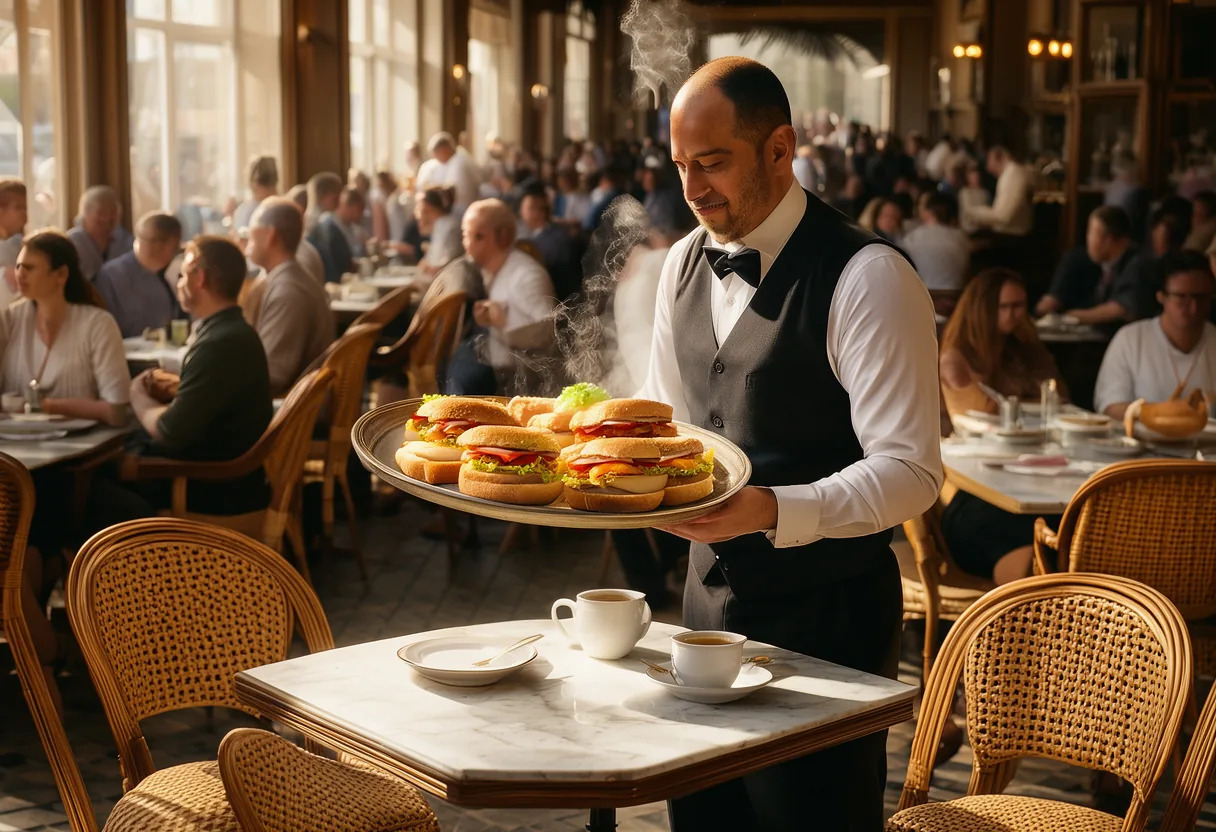
A brasserie atmosphere is bustling and convivial, with a focus on shared plates and classic French dishes. The decor is typically simple yet stylish, with tiled floors, zinc-topped tables, and large mirrors. The lighting is usually bright, and the space is often filled with the sound of lively conversation and clinking glasses.
Brasseries are typically open late, serving food throughout the day and into the evening. This makes them popular spots for both lunch and dinner, as well as late-night snacks. The menu is usually simple and focused on classic French dishes, with an emphasis on quality ingredients and straightforward preparation.
How can you recreate a brasserie atmosphere at home?
To recreate a brasserie atmosphere at home, start with the decor. Choose simple, stylish pieces that evoke the classic French brasserie look. Tiled floors, zinc-topped tables, and large mirrors are all great options. You can also use lighting to create a bright, inviting space. Hang string lights or use table lamps to create a warm, welcoming glow.
Next, focus on the food. Choose classic French dishes that are simple to prepare but packed with flavour. Steak frites, onion soup, and croque monsieur are all great options. You can also serve shared plates to encourage a convivial, brasserie-style dining experience. Don’t forget to include a selection of French wines and beers to complete the atmosphere.
What are some essential brasserie dishes to serve?
Some essential brasserie dishes to serve at home include steak frites, onion soup, and croque monsieur. These classic French dishes are simple to prepare but packed with flavour, making them perfect for a brasserie-style dinner party.
Steak frites is a staple brasserie dish, consisting of a simple steak served with crispy French fries. Onion soup is another classic, made with caramelised onions, beef broth, and melted cheese. Croque monsieur is a French grilled cheese sandwich, typically made with ham and béchamel sauce.
Other great options include escargots, salade niçoise, and bouillabaisse. Escargots are snails cooked in garlic butter, while salade niçoise is a classic French salad made with tuna, olives, and eggs. Bouillabaisse is a traditional Provençal fish stew, perfect for a special occasion.
What are some tips for setting the mood?
To set the mood for a brasserie-style dinner party, start with the lighting. Use string lights or table lamps to create a warm, inviting glow. You can also use candles to add a romantic touch.
Music is also important for setting the mood. Choose a playlist of classic French songs or French-inspired instrumental music to create a lively, convivial atmosphere. You can also use the sound of clinking glasses and lively conversation to enhance the brasserie vibe.
Finally, don’t forget the details. Use classic French brasserie tableware, such as zinc-topped tables and simple white plates. You can also use fresh flowers or herbs as centrepieces to add a touch of elegance.
Think of creating a brasserie atmosphere at home like setting the stage for a French dinner party. You want to create a space that is inviting, lively, and focused on good food and conversation. Start with the decor, choosing simple, stylish pieces that evoke the classic French brasserie look. Then, focus on the food, choosing classic French dishes that are simple to prepare but packed with flavour. Finally, set the mood with lighting, music, and attention to detail.
What are some common mistakes to avoid?
One common mistake to avoid when creating a brasserie atmosphere at home is trying to be too authentic. While it’s important to capture the essence of a classic French brasserie, it’s also important to make the space your own. Don’t be afraid to mix and match decor pieces or experiment with different colour schemes.
Another common mistake is overlooking the importance of shared plates. Brasserie dining is all about sharing food and encouraging conversation. Make sure to include a variety of shared plates on your menu, such as charcuterie boards, cheese plates, and small appetisers.
Finally, don’t forget the drinks. Brasseries are known for their selection of French wines and beers. Make sure to include a variety of options on your menu, such as a selection of red, white, and sparkling wines, as well as a few different types of beer.
How can you incorporate brasserie elements into your everyday dining?
To incorporate brasserie elements into your everyday dining, start by making small changes to your decor. Add a few classic French pieces, such as a zinc-topped table or a large mirror, to create a brasserie-inspired space.
Next, focus on the food. Choose classic French dishes that are simple to prepare but packed with flavour. Steak frites, onion soup, and croque monsieur are all great options for a quick and easy brasserie-style meal. You can also experiment with different shared plates, such as charcuterie boards or cheese plates, to encourage a convivial dining experience.
Finally, don’t forget the drinks. Incorporate a few French wines or beers into your regular rotation to complete the brasserie vibe. You can also use French-inspired glassware or tableware to enhance the atmosphere.
Brasserie vs Bistro: What’s the Difference?
Classic French Dishes to Serve at a Brasserie-Style Dinner Party
What are some final tips for hosting a brasserie-style dinner party?
Here are some final tips for hosting a brasserie-style dinner party:
- Start with the decor, choosing simple, stylish pieces that evoke the classic French brasserie look.
- Focus on the food, choosing classic French dishes that are simple to prepare but packed with flavour.
- Set the mood with lighting, music, and attention to detail.
- Don’t forget the drinks, incorporating a few French wines or beers into your menu.
- Encourage a convivial dining experience by serving shared plates and encouraging lively conversation.
- Experiment with different brasserie elements, such as French-inspired tableware or glassware, to enhance the atmosphere.
Creating a brasserie atmosphere at home is all about capturing the essence of a classic French brasserie while making the space your own. By focusing on the decor, food, and mood, you can create a lively, convivial dining experience that your guests are sure to love. For more information on brasserie dining, check out our articles on What is Brasserie Dining?, History of French Brasseries, and Brasserie Etiquette and Customs. Bon appétit!
Frequently asked questions
What are the key elements of a brasserie atmosphere?
A brasserie atmosphere combines rustic charm with a lively, inviting ambiance. Key elements include warm lighting, wooden furniture, and checkered or striped tablecloths. Soft jazz or French music playing in the background enhances the vibe. Open kitchens or visible food prep areas add authenticity. Small touches like wine bottles and fresh herbs on tables complete the look.
How can I choose the right lighting for a brasserie feel?
Opt for warm, dimmable lighting to create a cozy atmosphere. Use pendant lamps with Edison bulbs or chandeliers with a vintage feel. Wall sconces and table lamps with fabric shades add softness. Avoid harsh overhead lights. Candles in glass holders or small lanterns on tables enhance the ambiance. Dim the lights in the evening for a more intimate setting.
What kind of furniture works best for a brasserie setting?
Choose sturdy, wooden furniture with a slightly worn, rustic look. Bistro chairs with curved backs and metal accents are classic. Wooden tables with marble or tile tops add elegance. Bench seating along walls saves space and adds a communal feel. Mix and match different styles for an eclectic look. Comfort is key, so ensure chairs are cushioned.
What are some essential brasserie dishes to serve at home?
Classic brasserie dishes include steak frites, coq au vin, and moules marinières. Salads like niçoise or frisée aux lardons are light starters. Crêpes and quiches work well for brunch. Serve bread and butter with meals. For dessert, offer crème brûlée or tarte tatin. Pair dishes with French wines or beers. Keep portions generous and flavors rich.