
Editorial Team · on 13 June 2026 · 11 min read · Last reviewed 13 June 2026
A brasserie is a casual French-style restaurant known for its relaxed atmosphere, classic French dishes, and extensive wine lists, often with outdoor seating.
Key facts
- Brasseries typically serve food throughout the day, from breakfast to dinner.
- Menus often feature traditional French dishes like steak frites, onion soup, and croque-monsieur.
- Brasseries are known for their lively, bustling atmosphere, especially during peak dining hours.
- Tipping etiquette in brasseries follows the same guidelines as other restaurants in the UK, with a standard of 10-12.5%. See Brasserie Tipping Etiquette for details.
How do I order at a brasserie?
Ordering at a brasserie is straightforward, but there are a few cultural norms and practical tips to keep in mind. First, review the menu carefully, as brasseries often have a wide selection of dishes. Don’t hesitate to ask the server for recommendations or clarifications, especially if you’re unfamiliar with certain items. In many brasseries, it’s common to order multiple courses, starting with an appetizer, followed by a main course, and possibly a dessert. Wine is a staple accompaniment, so consider ordering a bottle or glass to complement your meal.
When the server takes your order, be clear and concise. If you’re dining with a group, it’s polite to order one item at a time to avoid confusion. Some brasseries may encourage you to order all courses at once, while others allow you to order sequentially. Pay attention to the pacing of your meal—brasseries are known for their efficiency, and courses may arrive quickly. If you need more time between courses, simply inform your server.
Another key aspect of ordering at a brasserie is understanding the menu structure. Many brasseries offer a plat du jour (dish of the day), which can be a great way to try something seasonal or unique. Additionally, brasseries often have a separate carte des vins (wine list) that pairs well with the food. If you’re unsure about wine pairings, ask your server for guidance—they can help you choose a wine that complements your meal perfectly.
Finally, be mindful of the timing of your order. Brasseries are popular dining spots, and tables often turn over quickly. If you’re in no rush, consider making a reservation in advance (see Brasserie Reservations: Do You Need Them?) to ensure you have enough time to enjoy your meal without feeling rushed. If you’re ordering during peak hours, be prepared to order and eat efficiently to accommodate other diners.
What should I expect from the brasserie experience?
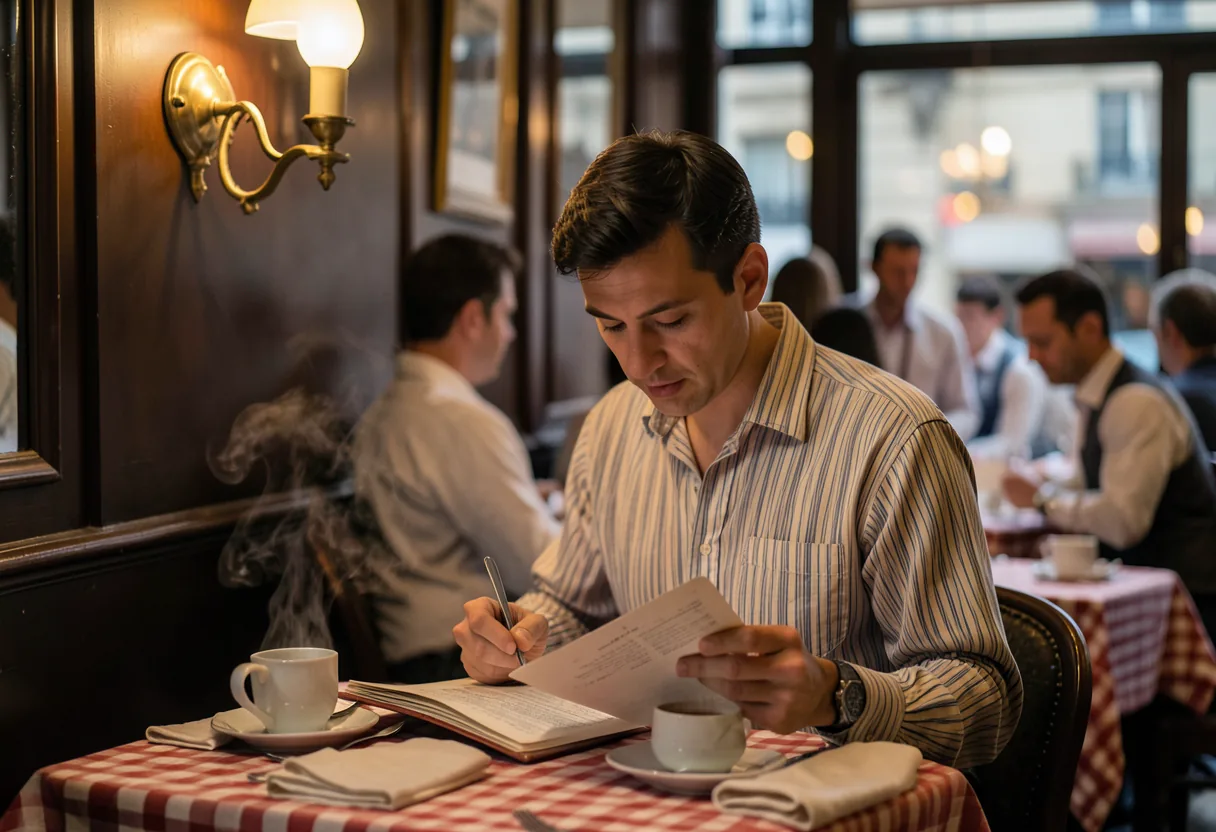
The brasserie experience is characterised by a lively, convivial atmosphere where diners enjoy classic French cuisine in a relaxed setting. Unlike fine dining restaurants, brasseries prioritise approachability and efficiency, making them ideal for both casual meals and special occasions. Expect a menu that features timeless French dishes, such as steak frites, bouillabaisse, and croque-madame, as well as a well-curated wine list with options ranging from affordable to premium.
Service at a brasserie is typically brisk but friendly. Servers are trained to handle high volumes of customers, so don’t be surprised if your order is taken quickly and your courses arrive in rapid succession. While the pace can be fast, the service should still feel warm and welcoming. If you prefer a more leisurely dining experience, communicate this to your server, and they will accommodate your needs as best as possible.
Brasseries often have a mix of indoor and outdoor seating, with the latter being particularly popular during warmer months. Outdoor seating can enhance the overall experience, offering a chance to people-watch and soak in the ambiance. However, keep in mind that outdoor tables may be subject to weather conditions, so it’s a good idea to have a backup plan if the weather turns inclement.
Another aspect of the brasserie experience is the social atmosphere. Brasseries are designed to be communal spaces where friends, families, and colleagues gather to enjoy good food and conversation. The energy can be infectious, making it a great choice for group outings. If you’re dining alone, don’t worry—brasseries are also welcoming to solo diners, and you’ll likely find the atmosphere inviting and engaging.
What are some common brasserie dishes I should try?
Brasserie menus are filled with classic French dishes that are both delicious and approachable. Some must-try items include steak frites, a simple yet iconic dish featuring a perfectly cooked steak served with crispy French fries. Another staple is French onion soup, a rich and savoury broth topped with melted cheese and toasted bread. For a lighter option, consider ordering a salad Niçoise, which typically includes tuna, hard-boiled eggs, olives, and vegetables.
If you’re in the mood for something hearty, try a croque-monsieur or croque-madame, which are toasted ham and cheese sandwiches with a béchamel sauce topping—the latter includes a fried egg on top. For seafood lovers, moules marinières (mussels steamed in white wine, garlic, and herbs) is a fantastic choice. Brasseries also often feature daily specials, such as poisson du jour (fish of the day), which can be a great way to try something fresh and seasonal.
Desserts at a brasserie are equally enticing. Crème brûlée, a creamy custard topped with a layer of caramelised sugar, is a popular choice. Tarte Tatin, an upside-down caramelized apple tart, is another classic. For chocolate lovers, a simple but indulgent chocolate mousse is often on the menu. Pair your dessert with a cup of coffee or a digestif, such as cognac or armagnac, to complete your meal.
When ordering, don’t hesitate to ask your server for recommendations. They can guide you toward the best dishes and help you navigate the menu, especially if you’re trying something new. Brasseries are known for their consistency, so even if you order a familiar dish, you can expect it to be prepared with care and attention to tradition.
How do I choose the right wine to pair with my meal?
Wine is an essential part of the brasserie experience, and choosing the right pairing can elevate your meal. Start by considering the type of dish you’re ordering. For example, a classic steak frites pairs beautifully with a full-bodied red wine, such as a Bordeaux or a Côte du Rhône. Lighter dishes, like salads or seafood, are better complemented by white wines, such as a Sauvignon Blanc or a Chablis.
If you’re unsure about wine pairings, ask your server for guidance. They are trained to recommend wines that complement the flavours of your meal. Many brasseries also offer wine pairings or tasting menus, which can be a great way to explore different wines alongside carefully selected dishes. Additionally, don’t be afraid to experiment with lesser-known varietals or regional specialties—brasseries often feature a diverse selection of wines from across France and beyond.
When ordering wine, consider whether you prefer a glass, a half-bottle, or a full bottle. Glasses are ideal if you’re trying multiple wines or want to sample something new. A half-bottle is a good option if you’re dining with one or two others and want to enjoy a bottle without leftovers. A full bottle is perfect for groups of four or more, ensuring everyone can enjoy the same wine throughout the meal.
Finally, don’t forget about sparkling wines, such as Champagne or Crémant, which can be a fantastic choice for celebratory occasions or as an aperitif. Sparkling wines pair well with a variety of dishes, from appetizers to desserts, making them a versatile option for any brasserie visit. Whether you’re a wine connoisseur or a casual drinker, the brasserie’s wine list offers something for everyone.
What are the dress code expectations at a brasserie?
Brasseries are known for their relaxed and casual atmosphere, so the dress code is generally informal. You’ll typically see a mix of casual and smart-casual attire, with no strict requirements for formal wear. However, it’s still a good idea to dress neatly and appropriately for a dining establishment. For men, a collared shirt and trousers or a smart casual outfit like a polo shirt and chinos are perfectly acceptable. Women can opt for a blouse and skirt, a dress, or a casual yet stylish outfit.
While brasseries are not as formal as fine dining restaurants, it’s still important to avoid overly casual or sloppy attire. For example, wearing flip-flops, athletic wear, or overly revealing clothing may be frowned upon. The key is to strike a balance between comfort and presentability. If you’re unsure about the dress code, it’s always a good idea to err on the side of slightly dressier rather than too casual.
Some brasseries, particularly those in upscale areas or with a more refined ambiance, may have slightly higher dress code expectations. In such cases, you might see diners wearing more polished outfits, such as a blazer or a dressier skirt and blouse combination. However, even in these settings, the atmosphere remains relaxed, and there’s no need for formal attire like suits or evening gowns.
If you’re dining at a brasserie as part of a special occasion, you may choose to dress up a bit more, but it’s not necessary. The focus is on enjoying good food and company in a comfortable setting. For more details on brasserie dress codes, see Brasserie Dress Code.
Should I make a reservation or walk in?
Whether to make a reservation or walk in depends on several factors, including the popularity of the brasserie, the time of day, and your willingness to wait. Many brasseries operate on a first-come, first-served basis, especially during off-peak hours. However, during peak dining times, such as weekends and evenings, reservations are often recommended to secure a table. For more details, see Brasserie Reservations: Do You Need Them?.
If you prefer not to make a reservation, arriving early or choosing an off-peak time can increase your chances of getting a table. Brasseries typically have a high turnover rate, so even if they’re busy, you may not have to wait too long for a seat. Additionally, some brasseries have a bar or lounge area where you can enjoy a drink while waiting for a table to become available.
Another consideration is the size of your group. Larger groups may find it more difficult to secure a table without a reservation, especially during busy times. If you’re dining with a large party, it’s a good idea to call ahead or book online to ensure availability. Some brasseries may also have a minimum spending requirement for large groups, so be sure to inquire about this when making your reservation.
Ultimately, the decision to make a reservation or walk in depends on your preferences and circumstances. If you want to guarantee a table, especially during peak hours, a reservation is the best option. However, if you’re flexible with timing and don’t mind a potential wait, walking in can be a viable alternative.
Think of ordering at a brasserie like ordering at a busy, friendly café where the staff knows the menu inside out. You want to be clear about what you want, but also open to suggestions if you’re unsure. The key is to balance efficiency with enjoyment—don’t rush, but don’t linger too long either.
What are the key steps to ordering at a brasserie?
- Review the menu. Take your time to look through the offerings, noting any specials or dishes you’re interested in.
- Ask for recommendations. If you’re unsure about what to order, ask your server for suggestions based on your preferences.
- Order in stages. Start with an appetizer, followed by your main course, and then consider dessert if you have room.
- Choose your wine. Select a wine that pairs well with your meal, or ask your server for guidance.
- Communicate your pacing. Let your server know if you prefer a leisurely meal or if you’re in a hurry.
- Enjoy your meal. Take your time savouring each course and engage with the lively atmosphere around you.
Brasseries offer a delightful blend of classic French cuisine and a relaxed dining experience. By understanding the ordering process, menu options, and cultural norms, you can make the most of your visit. Whether you’re a first-time brasserie-goer or a seasoned diner, embracing the brasserie’s lively atmosphere and enjoying the food and wine is the best way to fully appreciate this unique dining experience.
Frequently asked questions
What is a brasserie?
A brasserie is a type of French restaurant. It traditionally serves simple, hearty dishes in a casual setting. Dishes often include steak frites, onion soup, and croque-monsieur. Unlike fine dining, brasseries focus on consistency and affordability.
How should I dress for a brasserie?
Brasseries have a relaxed dress code. Smart casual is typical. Think jeans and a nice top or a button-down shirt. Avoid overly formal wear like suits or overly casual items like athletic wear.
What is the best way to order at a brasserie?
Study the menu beforehand. When ready, catch the waiter's eye. Be clear and concise with your order. Specify any dietary restrictions. It's polite to say 's'il vous plaît' and 'merci' in French brasseries, but English is widely understood.
Is tipping expected at a brasserie?
Tipping is customary but not mandatory. In France, a service charge may be included. If not, a tip of 5-10% is typical for good service. In other countries, check local norms. Always tip in cash for clarity.