
Editorial Team · on 13 June 2026 · 8 min read · Last reviewed 13 June 2026
Brasserie dining is a French-style casual restaurant experience characterised by hearty, traditional dishes served in a lively, often standing-room-only atmosphere.
Key facts
- Brasseries originated in northern France in the 18th century.
- They are known for their copper-topped bars and Art Nouveau decor.
- Classic brasserie dishes include steak frites, French onion soup, and choucroute.
- Brasseries are typically open late, catering to a wide range of diners.
What are the most popular brasserie dishes?
Brasserie menus focus on robust, comforting dishes that reflect French provincial cooking. Some of the most iconic dishes include:
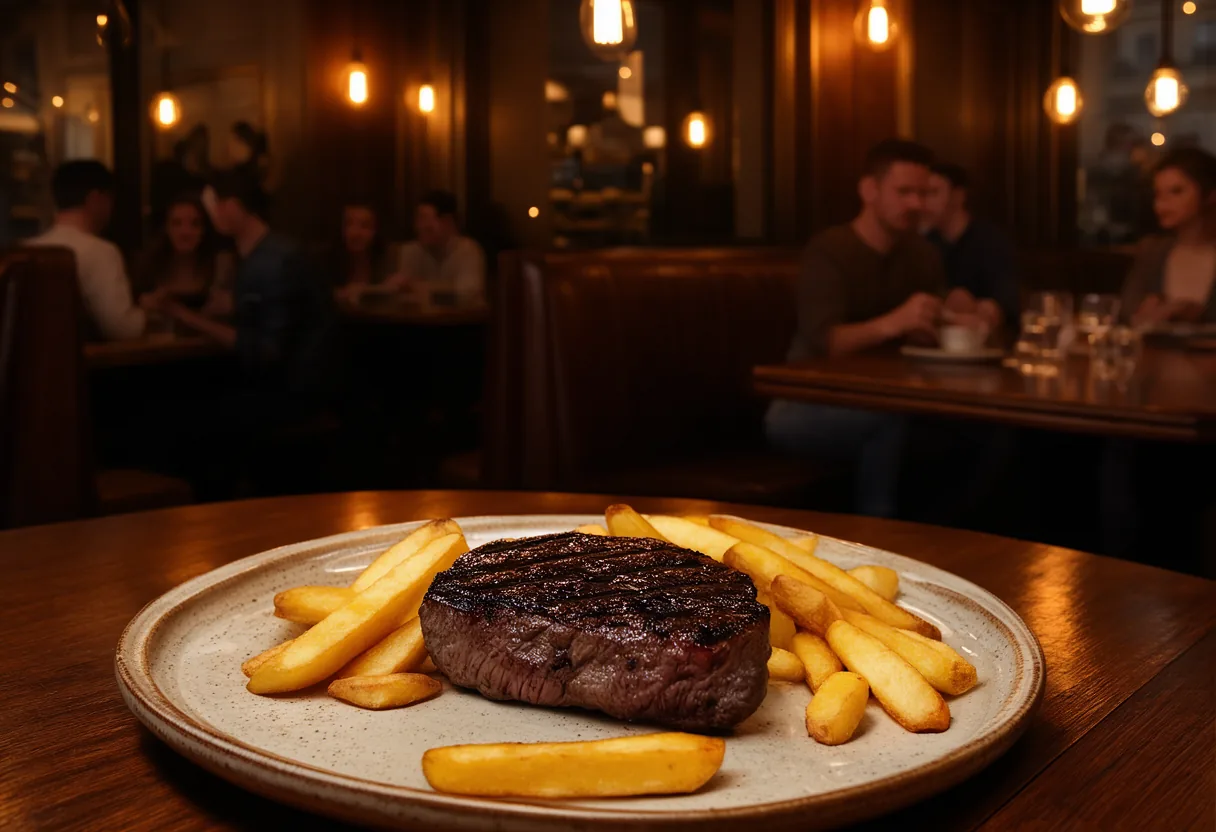
Steak frites is a classic brasserie staple, featuring a thick, grilled ribeye or entrecote steak served with crispy, golden fries. This dish is often accompanied by a green salad and a rich, red wine sauce. Another popular choice is French onion soup, made with caramelised onions in a beef stock, topped with melted cheese and served with crusty bread.
Choucroute, or sauerkraut, is another brasserie favourite, typically served with an assortment of sausages, pork, and potatoes. Other notable dishes include moules marinières (mussels steamed in white wine, shallots, and herbs), confit de canard (duck leg slow-cooked in its own fat), and blanquette de veau (a creamy veal stew).
For those with a sweet tooth, classic brasserie desserts like crème brûlée, tarte tatin, and île flottante are a must-try. These desserts often feature high-quality ingredients like vanilla bean, fresh fruit, and rich custards, providing a satisfying end to a hearty meal.
What are the key differences between brasserie and bistro dishes?
While brasseries and bistros share some culinary similarities, there are distinct differences in their menus and dining experiences. Brasserie dishes tend to be more hearty and substantial, with a focus on meat and potatoes. They often feature regional specialities from northern France, such as choucroute and carbonnade (a beef and beer stew). In contrast, bistro dishes are typically lighter and more refined, with an emphasis on fresh produce and seasonal ingredients.
Brasseries are usually larger and more bustling than bistros, with a focus on quick, efficient service. They often have a copper-topped bar and Art Nouveau decor, reflecting their historic origins. Bistro menus, on the other hand, are usually shorter and more focused, with a greater emphasis on wine pairings and individual dishes.
For a more detailed comparison, see our article Brasserie vs Bistro: What's the Difference?.
How do brasserie dishes vary by region?
Brasserie dishes can vary significantly by region, reflecting the diverse culinary traditions of France. In Alsace, for example, choucroute and tarte flambée (a thin, crispy pizza-like dish topped with crème fraîche, onions, and bacon) are popular. In Provence, dishes like bouillabaisse (a fish stew) and ratatouille (a vegetable stew) are common.
In Paris, brasserie menus tend to be more eclectic, with a focus on classic French dishes that appeal to a wide range of diners. However, many Parisian brasseries also incorporate regional specialities into their menus. For example, Le Grand Colombe in the 1st arrondissement is known for its excellent choucroute, while Bouillon Pigalle in the 9th arrondissement serves a traditional Parisian dish called tripe à la mode de Caen (tripe cooked in cider and calvados).
In the Loire Valley, brasseries often feature dishes made with locally sourced ingredients like goat cheese, fresh river fish, and game meats. A popular regional dish is rillettes, a pâté-like spread made from slow-cooked pork or other meats. In Brittany, seafood dishes like galettes (buckwheat crêpes filled with seafood) and fruits de mer (mixed seafood platters) are common.
What are some must-try brasserie dishes for first-timers?
If you’re new to brasserie dining, there are several classic dishes that are a great place to start. French onion soup is a popular choice, as it’s a classic brasserie dish that’s widely available and relatively inexpensive. Steak frites is another good option, as it’s a simple, hearty dish that showcases the brasserie’s ability to cook a perfect steak.
For those who are feeling more adventurous, choucroute is a must-try brasserie dish. It’s a hearty, flavourful dish that’s perfect for sharing, and it’s a great way to experience the regional specialities of Alsace. Moules marinières is another excellent choice, as it’s a light, fresh dish that’s perfect for seafood lovers.
For a unique brasserie experience, try andouillette, a traditional French sausage made from pork intestine. It’s an acquired taste but offers a true taste of French culinary heritage. Another dish to consider is tête de veau, or calf’s head, which is often served in a creamy, mustard sauce. These dishes can be found in many traditional brasseries and offer a glimpse into France’s rich culinary history.
Think of brasserie dining like a French version of a classic American diner. It’s a place where you can go for hearty, comforting food that’s quick, efficient, and affordable. The dishes are often simple and familiar, but they’re made with high-quality ingredients and cooked with care.
What are some classic brasserie dessert options?
Brasserie menus typically feature a selection of classic French desserts, such as crème brûlée, tarte tatin, and profiteroles. These desserts are often made in-house and served with a scoop of vanilla ice cream or a dollop of crème fraîche.
For those who are looking for something a little lighter, many brasseries also offer a selection of fresh fruits, sorbets, and fruit salads. These desserts are typically served with a drizzle of honey or a sprinkle of cinnamon, and they’re a great way to end a meal on a light, refreshing note.
Another classic brasserie dessert is île flottante, or “floating island,” which consists of a poached meringue floating on a sea of crème anglaise (vanilla custard sauce). This dessert is a favourite among French diners and offers a unique, indulgent experience.
What are some tips for ordering like a pro at a brasserie?
- Start with an aperitif, such as a kir (a mix of white wine and crème de cassis) or a pastis (an anise-flavoured liqueur).
- Order a selection of small plates to share, such as escargots, terrines, or charcuterie.
- Choose a classic brasserie dish for your main course, such as steak frites, choucroute, or confit de canard.
- Pair your meal with a glass of wine or a beer, depending on your preference.
- Finish with a coffee and a digestif, such as a cognac or an armagnac.
Brasserie dining is all about enjoying hearty, comforting food in a lively, casual atmosphere. By ordering like a pro and trying some of the classic brasserie dishes, you can experience the best that this iconic French dining experience has to offer. For more information on brasserie etiquette and customs, see our article Brasserie Etiquette and Customs.
To truly immerse yourself in the brasserie dining experience, consider visiting some of the best brasseries in Paris. From the historic Le Bouillon Chartier to the elegant Le Grand Véfour, these iconic establishments offer a taste of French culinary history. For more information, see our article Best Brasseries in Paris.
What should you drink at a brasserie?
Brasseries offer a wide range of beverages to complement their hearty dishes. Wine is a popular choice, with many brasseries offering an extensive selection of French wines. For red wine lovers, try a bold Bordeaux or a fruity Beaujolais. For white wine enthusiasts, a crisp Sauvignon Blanc from the Loire Valley or a rich Chardonnay from Burgundy are excellent choices.
Beer is another staple at brasseries, with many establishments brewing their own in-house beers. A classic French bière blonde (blonde beer) or bière brune (brown beer) pairs well with many brasserie dishes. For those who prefer non-alcoholic beverages, brasseries often offer a selection of soft drinks, juices, and bottled water.
For a true brasserie experience, consider ordering an aperitif before your meal. Aperitifs are alcoholic drinks typically served before a meal to stimulate the appetite. Popular aperitifs include kir (a mix of white wine and crème de cassis), pastis (an anise-flavoured liqueur), and champagne. After your meal, consider ordering a digestif, such as cognac or armagnac, to aid digestion and enjoy a moment of relaxation.
When visiting a brasserie, don’t be afraid to ask the staff for recommendations. They can help you choose the perfect beverage to complement your meal and enhance your overall dining experience. For more information on French wines and beverages, see our article .
Next time you dine at a brasserie, embrace the lively atmosphere and indulge in the hearty, comforting dishes that have made this dining experience a beloved tradition. From classic steak frites to decadent crème brûlée, there’s something for everyone to enjoy. So gather your friends, raise a glass, and savour the true taste of France.
Frequently asked questions
What makes a dish a classic brasserie dish?
Classic brasserie dishes are hearty, simple, and often derived from French cuisine. They focus on fresh, quality ingredients. Examples include steak frites, onion soup, and croque monsieur. These dishes are designed to be comforting and satisfying, often shared among friends or family.
Which brasserie dish is best for vegetarians?
Vegetarians should try the French onion soup, a brasserie staple. It features caramelized onions in a rich beef broth, topped with melted cheese and toasted bread. Another option is the ratatouille, a vegetable stew made with eggplant, zucchini, bell peppers, and tomatoes.
What is a must-try seafood dish in a brasserie?
Moules marinières is a must-try seafood dish. It consists of mussels cooked in white wine, garlic, and herbs. The dish is typically served with crusty bread to soak up the delicious broth. It's a popular choice due to its flavorful and aromatic profile.
Are there any brasserie dishes suitable for a quick lunch?
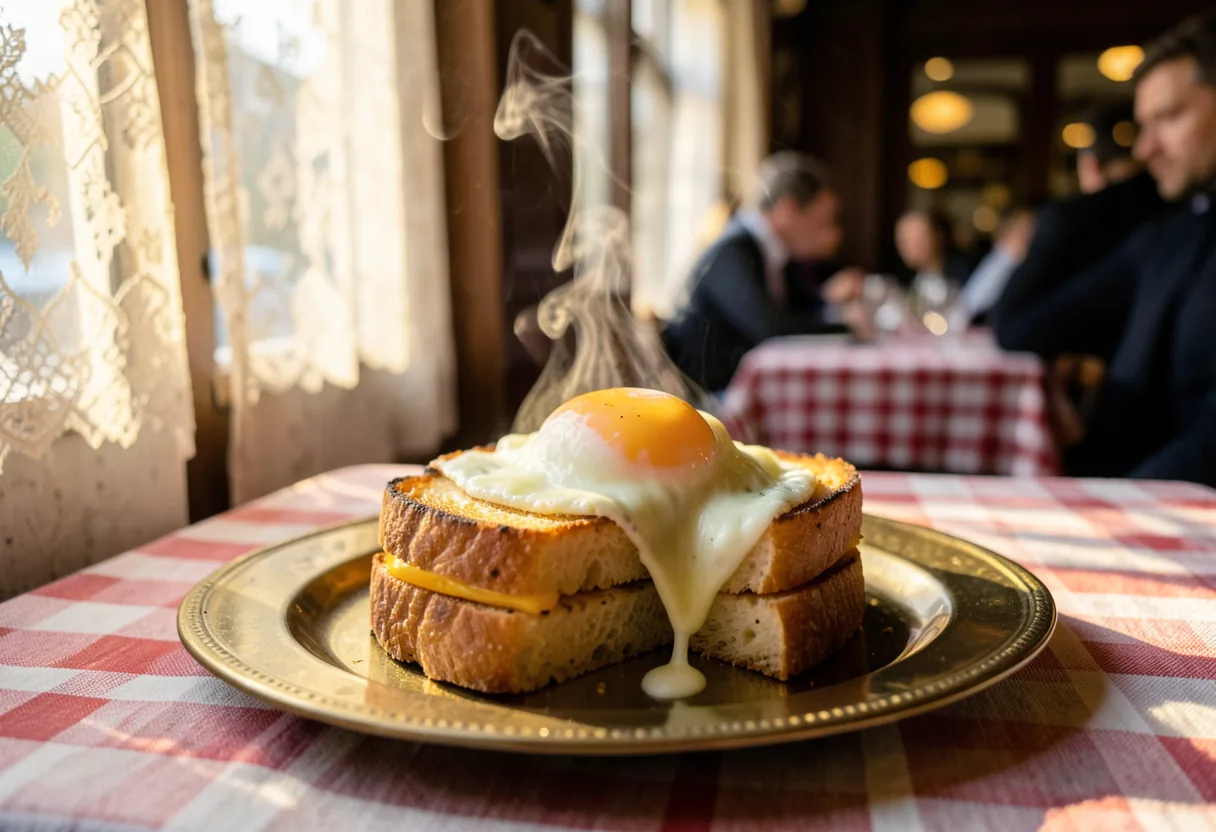
For a quick lunch, consider the croque monsieur or a niçoise salad. The croque monsieur is a grilled ham and cheese sandwich often topped with béchamel sauce. The niçoise salad features tuna, hard-boiled eggs, olives, and vegetables, providing a balanced and refreshing meal.