
Editorial Team · on 13 June 2026 · 5 min read · Last reviewed 13 June 2026
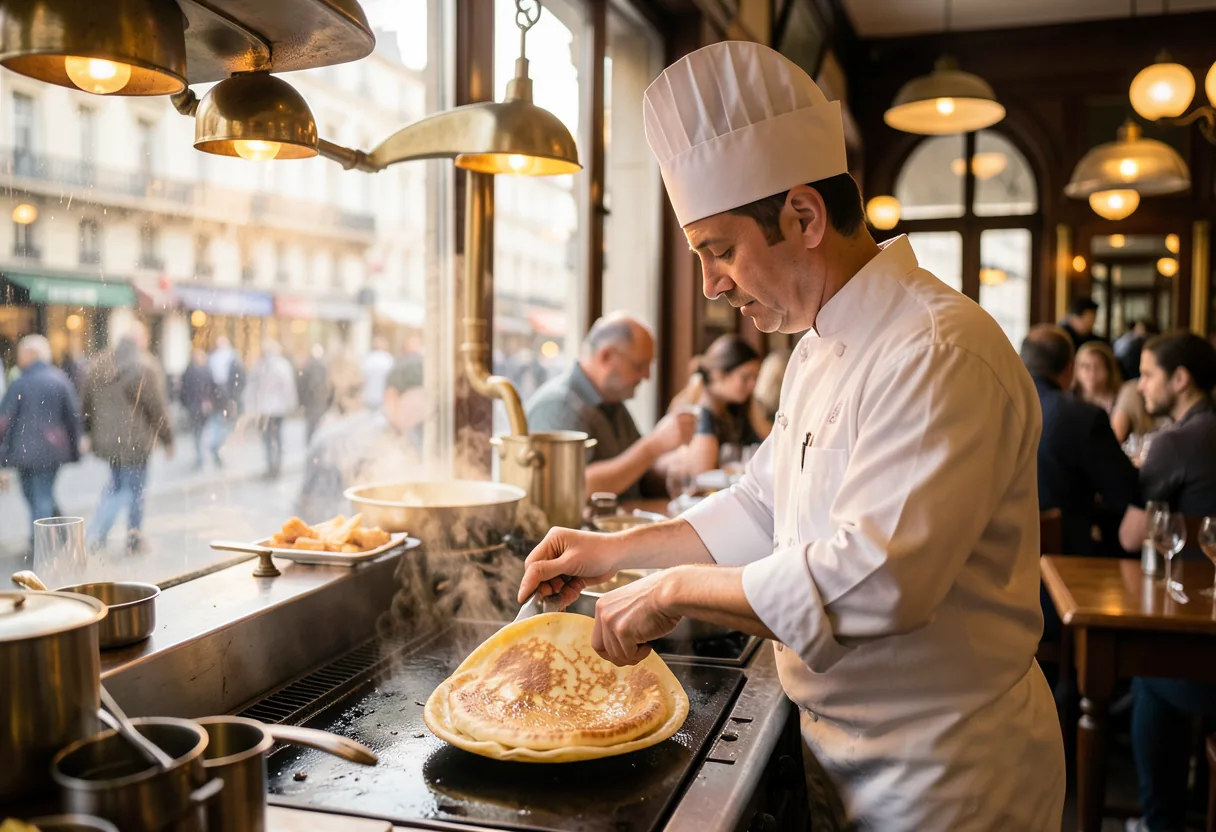
A brasserie is a type of French restaurant known for its relaxed atmosphere, classic French cuisine, and often late-night service.
Key facts
- Brasseries originated in northern France and Belgium in the 19th century.
- They typically serve traditional French dishes like steak frites, onion soup, and escargots.
- Brasseries are usually open late, making them popular for post-theatre dining.
- Many brasseries are known for their Art Nouveau decorative elements and classic French decor.
What makes a brasserie different from other French restaurants?
A brasserie differs from other French eateries like bistros and bistrots in several ways. Brasseries are typically larger, often with seating for 100 or more people, and they usually have a bar with beer on tap. They tend to serve a wide range of classic French dishes, often with a focus on seafood and steak. Unlike bistros, which may close in the afternoon, brasseries usually stay open all day, offering breakfast, lunch, and dinner. For more details, see Brasserie vs Bistro: What's the Difference?.
Brasseries also differ from crêperies, which specialise in crêpes, and from bouillons, which are more like casual canteens. The key aspect of a brasserie is its all-day, casual dining experience with a focus on classic French dishes. You can learn more about the history of brasseries History of French Brasseries.
What are some of the best brasseries in Paris?
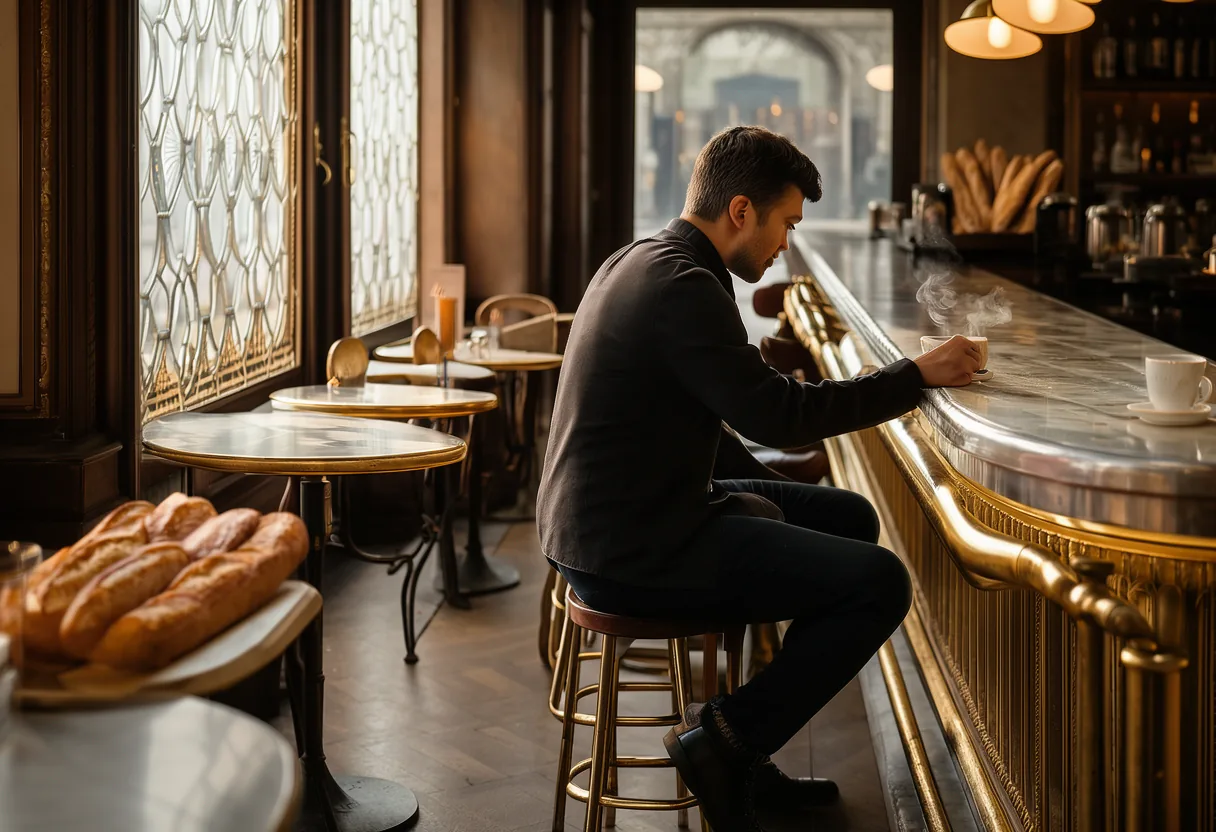
Paris is home to many brasseries, ranging from historic institutions to modern takes on the classic format. Here are some of the best:
Think of a brasserie like a French version of a classic American diner, but with more wine and less neon. It’s a place where you can go at any time of day, sit at the bar or a table, and enjoy classic French dishes in a relaxed atmosphere.
What should you order at a Parisian brasserie?
Brasseries are known for their classic French dishes. Some must-try options include:
- Steak frites: A simple but delicious dish of steak with French fries.
- Onion soup: A classic French soup made with caramelised onions and beef broth.
- Escargots: Snails cooked in garlic-parsley butter, a classic French delicacy.
- Choucroute garnie: A dish of sauerkraut with sausages, pork, and other meats.
- Moules marinières: Mussels cooked in white wine, garlic, and herbs.
For more information on top brasserie dishes, see Top Brasserie Dishes to Try.
What is the etiquette at a Parisian brasserie?
Brasseries are generally casual, but there are still some customs to be aware of. For instance, it’s common to greet the staff with a polite “bonjour” when you enter and “au revoir” when you leave. Also, while brasseries are more relaxed than fine dining restaurants, it’s still polite to keep your voice down and be respectful of other diners.
When it comes to tipping, it’s not mandatory, but it’s appreciated. If you receive good service, rounding up the bill or leaving a few euros is a nice gesture. For more details on brasserie etiquette, see Brasserie Etiquette and Customs.
How can you recreate a brasserie experience at home?
If you can’t make it to Paris, you can still enjoy a taste of brasserie dining at home. Here are some steps to create a brasserie atmosphere:
- Set the scene: Use simple, classic decor like checkered tablecloths, vintage posters, and simple but elegant tableware.
- Choose the right music: French jazz or accordion music can help set the mood.
- Prepare classic dishes: Cook some classic French brasserie dishes like steak frites or onion soup. See Top Brasserie Dishes to Try for inspiration.
- Serve wine: No brasserie experience is complete without wine. Choose a simple French wine to serve with your meal.
- Enjoy the meal: Take your time, chat with your guests, and savour the food and wine.
For more tips on creating a brasserie atmosphere at home, see How to Create a Brasserie Atmosphere at Home.
How have brasseries evolved over time?
Brasseries have evolved significantly since their inception in the 19th century. Originally, they were places where beer was brewed and served on the premises. Over time, their menus expanded to include classic French dishes, and they became popular all-day dining spots. Today, brasseries are known for their relaxed atmosphere and classic French cuisine, but they also reflect modern trends and influences.
For example, many brasseries now offer a wider selection of wines, including organic and natural wines. They also cater to different dietary preferences, with more options for vegetarians and vegans. Additionally, some brasseries have embraced modern technology, offering online ordering and delivery services. Despite these changes, brasseries have retained their core characteristics, such as their classic decor and focus on classic French dishes.
To fully appreciate brasserie dining, it’s helpful to understand its origins and evolution. Brasseries first appeared in the 19th century in northern France and Belgium, where they served beer brewed on the premises. Over time, they expanded their menus to include classic French dishes and became popular all-day dining spots. Today, they remain a staple of French dining culture, offering a relaxed and affordable way to enjoy classic French cuisine.
Next time you’re in Paris, make sure to visit one of these classic brasseries to experience the best of French dining culture. Whether you’re in the mood for steak frites, onion soup, or a simple glass of wine, you’ll find it at a Parisian brasserie.
When visiting a brasserie, don’t forget to explore the menu beyond the classic dishes. Many brasseries offer seasonal specials and regional dishes that can provide a unique dining experience. Additionally, consider pairing your meal with a local wine or beer to fully immerse yourself in the brasserie culture. Enjoy your culinary journey through Parisian brasseries!
Frequently asked questions
What defines a traditional Parisian brasserie?
Traditional Parisian brasseries are known for their classic French cuisine, especially dishes like steak-frites, oeufs mayonnaise, and escargots. They often feature Art Nouveau decor, zinc bars, and a lively atmosphere. Many operate continuously from morning until late at night, serving both simple breakfasts and hearty dinners.
Which brasserie is famous for its Art Nouveau decor?
Bouillon Pigalle is renowned for its modern take on classic French brasserie fare. It offers affordable dishes like French onion soup and roast chicken, attracting both locals and tourists. The brasserie's vibrant atmosphere and diverse menu make it a popular choice in the Pigalle neighborhood.
Are there any historic brasseries in Paris?
Yes, Le Bouillon Chartier is a historic brasserie that dates back to 1875. It is famous for its Belle Epoque decor and traditional French dishes. The brasserie has been featured in numerous films and books, making it a cultural landmark in Paris.
What should I expect from the service in a Parisian brasserie?
Service in Parisian brasseries is typically fast-paced and efficient. Waiters often work quickly to turn tables, especially during peak hours. While the service can be brisk, it is usually friendly and attentive. Tipping is not mandatory but appreciated, usually around 5-10%.